The recent signing of a military cooperation agreement between Algeria and Niger on October 21, 2026, has sent ripples through the Sahel region, raising more questions than answers about its true implications for citizens and regional economies. While both nations highlight this as a strategic partnership amid escalating armed threats, the lack of concrete details has left businesses, security analysts, and local communities in the dark about what it will mean for them in practice.
What the Algeria-Niger military pact actually contains
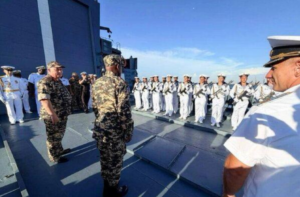
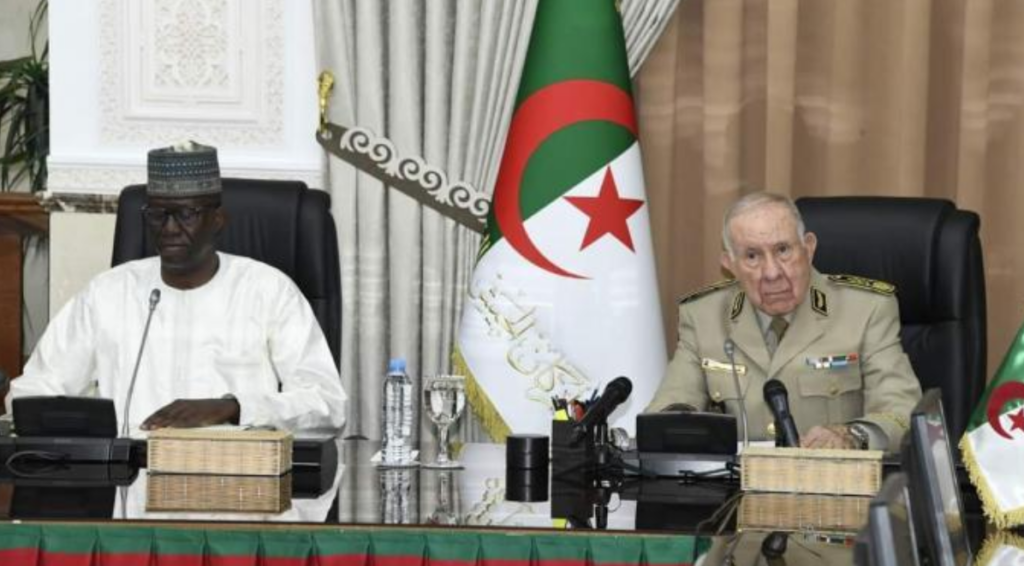
The agreement was formalized during a high-level meeting in Algiers, where Algeria’s army chief, General Saïd Chanegriha, welcomed Niger’s Minister of State for National Defense, Salifou Modi. The ceremony underscored a shared political will to strengthen military ties between the two countries, which share a border and face overlapping security threats.
But the gap between the announcement and the specifics of the protocol remains wide. Official statements emphasize intensified military and security cooperation, including coordination between armies and information-sharing mechanisms. Yet, no details have been made public about:
- Scheduled joint military exercises or training programs
- Established channels for intelligence exchange
- Planned border monitoring or surveillance initiatives
- Technical or logistical support arrangements
Without clarity on these operational aspects, it remains unclear whether this is a symbolic gesture or the foundation of a more robust security partnership.
Security realities in the Sahel fueling the need for stronger alliances
The timing of this accord cannot be divorced from the broader Sahel crisis. Niger continues to face violent extremist incursions in its western regions, near Mali and Burkina Faso, as well as in the Lake Chad basin. Algeria, for its part, has long prioritized securing its southern borders and stabilizing its immediate neighbors.
A bilateral military agreement could serve both nations’ interests by enhancing real-time intelligence flow, building military capacity, and strengthening cross-border response coordination. However, public statements do not confirm whether the protocol includes joint military operations, deployment of Algerian troops in Niger, or a formal mutual defense clause—key distinctions that separate a cooperation framework from a full-fledged military alliance.
Such nuances are critical. They determine whether this is simply a dialogue tool or a transformative security initiative with tangible boots-on-the-ground consequences.
Funding, oversight, and accountability: the missing links
The absence of transparency extends beyond operational details. Key questions remain unaddressed:
- What budget will be allocated to implement the agreement?
- Is there a defined timeline for execution?
- Will joint commissions monitor progress and ensure accountability?
- Are measurable benchmarks in place to assess outcomes?
These elements are not trivial. Without them, it’s impossible to gauge whether the protocol is a binding operational roadmap or merely a symbolic gesture. The ambiguity also raises concerns about how responsibilities are distributed—especially if sensitive intelligence sharing or coordinated field operations are eventually required.
The need for transparency is not about exposing classified information, but about enabling informed public and policy assessments of what this agreement will actually deliver.
Regional repercussions: a ripple effect across the Sahel
Niger is a member of the Alliance of Sahel States (AES), alongside Mali and Burkina Faso. Algeria, though not part of the alliance, maintains its own regional engagement strategy. How does this new bilateral protocol fit within existing frameworks? Is it strictly a two-country initiative, or could it evolve into a broader regional coordination mechanism?
Without official details, speculating about the creation of a new military axis or a stance against external actors would be premature. However, the strengthening of Algeria-Niger ties is undeniably significant in a region where security dynamics are rapidly shifting.
Niger’s Defense Minister’s meeting with Algerian President Abdelmadjid Tebboune—attended by top civilian and military officials—signaled the high political stakes, even if it didn’t reveal additional commitments.
Why transparency now matters more than ever
The central challenge isn’t the existence of the agreement—it’s the inability to assess its real-world impact. To move beyond symbolic diplomacy, Algiers and Niamey must provide clearer public disclosures about:
- Specific objectives and application domains
- Monitoring and evaluation mechanisms
- Distinction between immediate commitments and long-term objectives
Such clarity would allow citizens, businesses, and policymakers to understand how this pact will affect regional security, economic stability, and daily life—especially in communities along the Niger-Algeria border.
In a Sahel where alliances are being rewritten and security vacuums persist, the true test of this military cooperation will not be in the signing ceremony, but in the concrete actions that follow. Until then, the Algeria-Niger military deal remains a promise whose outcome is still uncertain.