Reversing educational restrictions in Diffa: A step toward fundamental rights or a security misstep?
The decision to reopen schools in Diffa to all communities marks a pivotal moment in the ongoing debate over Niger’s approach to balancing security imperatives with citizens’ fundamental rights. After controversially targeting the Mohamid community with administrative measures, authorities have now reversed course—but at what cost to the region’s educational future and social cohesion?
In Diffa, where Boko Haram’s shadow lingers, the stakes are higher than just classroom doors opening and closing. The conflict has disrupted education for years, with armed attacks, mass displacements, and targeted restrictions leaving children in limbo. Now, as schools reopen to all, families and educators are left questioning whether this shift addresses the root of the problem—or merely reopens old wounds.
From targeted measures to inclusive access: What changed?
October 2026 saw reports of sweeping administrative restrictions in Diffa and Zinder, particularly affecting the Mohamid community. Schools were shut, water points closed, teachers reassigned, and access to healthcare and civil documents allegedly restricted. The rationale? Alleged misuse of public infrastructure by the community.
Critics argue these measures amounted to collective punishment, violating Niger’s obligations under international law, including the Convention on the Rights of the Child. Children, they insist, cannot be held accountable for their community’s alleged actions. Yet the government framed the closures as necessary to protect civilians from insurgent threats—a justification that has repeatedly been used to justify sweeping security measures across the Sahel.
The u-turn—reopening schools to all—has been framed as a restoration of equity. But was it a necessary correction to overreach, or a response to mounting pressure over human rights violations?
The human cost: How restrictions deepened educational divides
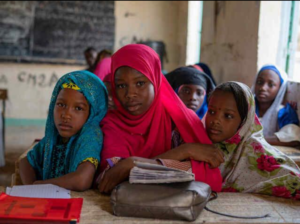
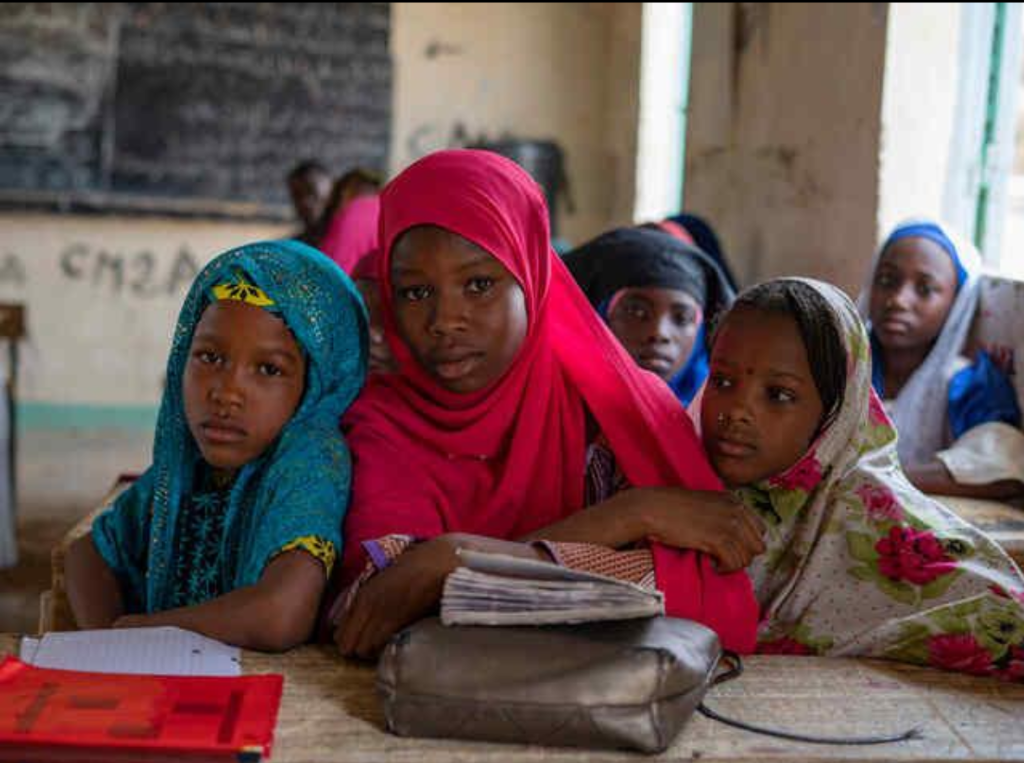
For families in Diffa, the impact of these restrictions was immediate and devastating. Children lost months—or years—of schooling. Parents faced impossible choices: send kids to school and risk exposure to violence, or keep them home and forfeit their future.
According to educators, the closures disproportionately affected marginalized groups. Girls, already vulnerable to early marriage and displacement, faced additional barriers. Boys who should have been in Grade 5 found themselves working in markets or displaced camps. The long-term consequences are clear: a lost generation of learners, higher dropout rates, and a widening skills gap that could hamper local development for decades.
- Loss of learning time: Several schools in Diffa operated at less than 30% capacity before the reopening.
- Economic strain: Families who lost access to education also lost income—older siblings often left school to support households.
- Health risks: Disrupted schooling increased exposure to early marriage, child labor, and recruitment into armed groups.
Can inclusive education survive in Diffa’s climate of insecurity?
The reopening is a milestone, but it is not a guarantee. Schools in Diffa still face a precarious reality. Insecurity remains rife—attacks on teachers, burning of school supplies, and abductions of students have not ceased. The very infrastructure meant to protect children has been weaponized against them.
To ensure the reopening isn’t just symbolic, authorities must address critical gaps:
- Teacher retention: Many educators have left the region due to safety concerns.
- Infrastructure protection: Schools need secure, monitored facilities to reduce risks.
- Community trust: Parents must feel confident sending children to class without fear of discrimination or reprisal.
The government has pledged to train teachers in conflict-sensitive pedagogy and reinstate displaced educators. But without sustained investment and a clear, transparent security strategy, these promises may ring hollow in communities still reeling from years of exclusion.
Security vs. rights: Can Niger strike a balance?
This debate is not new in the Sahel. Governments across the region have used security crises to justify sweeping restrictions—on movement, assembly, and access to public services. Yet international human rights law is clear: restrictions must be necessary, proportionate, and non-discriminatory.
The Mohamid case raises a critical question: Was the initial closure a targeted security measure or an administrative overreach? If security was the goal, why target an entire community instead of specific individuals? And if the infrastructure was being misused, why not address the misuse directly—rather than punishing students and families?
Critics point to a pattern of “collective responsibility” in Niger’s security strategy—a tactic that risks alienating already marginalized groups and fueling resentment. Rather than building resilience, such measures may inadvertently strengthen insurgent narratives by deepening social divisions.
A new chapter for Diffa’s children?
The inclusive reopening of schools is a necessary first step. But lasting change requires more than access—it demands justice, accountability, and a renewed commitment to inclusive development.
For families in Diffa, the road ahead is uncertain. Will this reversal of policy mark the beginning of a new era of equity? Or will it be remembered as a temporary concession under international pressure, with old restrictions lurking just beneath the surface?
One thing is clear: Niger’s future depends on its ability to protect both its security and its children’s right to learn. Diffa is now a test case—and the world is watching.