When Burkina Faso’s government announces new public investment budgets, the promise is clear: better roads, schools, and water access for its people. Yet the reality tells a different story. Shockingly, only 37% of planned public projects ever reach completion, leaving 63% of allocated funds unspent or wasted before they can transform communities.
This isn’t just a budgeting problem—it’s a systemic failure that directly impacts the lives of millions. If billions of CFA francs are approved for critical infrastructure, why do so few projects ever materialize? The answer lies not in a lack of resources, but in a cycle of mismanagement, delays, and abandoned investments that leaves citizens waiting indefinitely while funds vanish.
What happens to the missing 63%? The hidden costs of uncompleted projects
The Burkina Faso government has repeatedly increased its public investment budget, making headlines for ambitious spending plans. Yet the physical execution rate remains stubbornly low. According to the latest fiscal analyses, the gap between funding and delivery is widening, not shrinking. This isn’t just about money sitting idle—it’s about lost opportunities for progress.
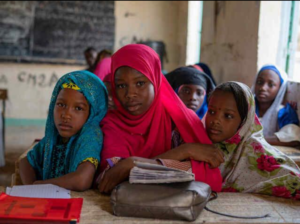
For families waiting for a paved road to their village or a functional health center, every delayed project has real consequences. Children walk kilometers for school. Farmers lose crops due to unreliable irrigation. Small businesses face higher transport costs. Each uncompleted project represents a missed chance to improve lives—and a growing frustration among citizens who see billions committed but never delivered.
Four deadly traps in Burkina Faso’s public investment cycle
The disappearance of 63% of public funds isn’t random. It’s the result of deep structural flaws in how investments are planned, managed, and executed. These are not temporary setbacks—they’re chronic failures baked into the system:
- Poorly designed projects with no foundation: Many initiatives are approved without proper feasibility studies. Inaccurate cost estimates, misplaced priorities, and unsuitable sites lead to immediate technical failures. Once construction starts, unforeseen challenges arise—rising costs, shoddy materials, or impossible terrain—and the project stalls, swallowing initial funds with no output.
- The payment paralysis in public procurement: Even when funds are allocated, the process of disbursing them to contractors is mired in bureaucracy. Government delays in paying construction firms create cash flow crises. Local small and medium-sized enterprises (SMEs) in the construction sector often struggle to sustain operations, forcing them to abandon projects mid-way.
- Completed but abandoned: the curse of no maintenance: When a road, school, or water point is finally built, it’s often left to deteriorate within months. There are no dedicated funds for upkeep. Rain seasons crack asphalt. Power lines fail. Wells go dry. Without maintenance, the public asset degrades quickly, erasing any long-term value from the initial investment.
- The gap between law and reality: Burkina Faso has modernized its legal and fiscal frameworks to meet donor expectations. Yet on the ground, enforcement is weak. Transparency mechanisms exist on paper, but accountability is rare. This disconnect between policy and practice allows inefficiencies and corruption to persist—draining resources before they ever serve the public.
Public-Private Partnerships: a risky bandage for a broken system
Facing this crisis, some policymakers suggest turning to Public-Private Partnerships (PPPs) to inject private capital into infrastructure development. The idea is appealing: private companies bring efficiency and speed. But without fixing the root causes of failure—poor project design, payment delays, and weak oversight—the risks outweigh the benefits.
PPPs could lead to hidden costs and ballooning guarantees that saddle the government with long-term financial liabilities. If the state can’t even manage its own projects effectively, how can it reliably regulate and monitor private partners? The risk is that PPPs become another channel for wasted public funds, not a solution to the black hole.
From budget lines to broken roads: time for a new approach
The government’s focus on increasing investment budgets has created an illusion of progress. More money is pledged, but less is built. Until the execution chain is fixed—from planning to payment to maintenance—the cycle of waste will continue.
For citizens, the only meaningful measure of success is visible, durable infrastructure. A completed school. A drivable road. Reliable electricity. Not a budget sheet full of unmet promises.
The time has come to stop throwing money at systems that fail. Instead, Burkina Faso must overhaul its project management culture. That means rigorous feasibility studies, faster payments to contractors, dedicated maintenance funds, and real transparency. Only then can every franc invested translate into lasting development—and restore trust in public action.
For the people, not the ledger: investing in real results
At its core, this crisis is about accountability. Every abandoned project is a broken promise. Every unpaid invoice is a stifled business. Every unpaved road is a barrier to progress.
The solution isn’t more funding—it’s better execution. Until Burkina Faso fixes how it plans, funds, and maintains public projects, the 63% gap will keep growing—and so will the frustration of a population waiting for change.