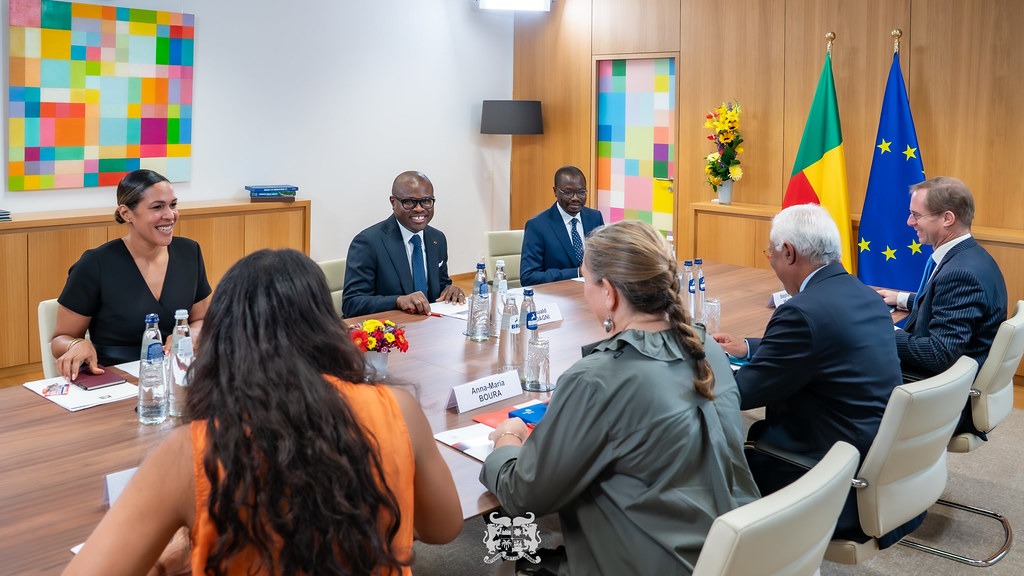
Cotonou’s economic horizon shifted dramatically this October when Bénin and the European Union (EU) held a landmark ministerial meeting to redefine their partnership. This unprecedented gathering emphasized practical outcomes—ranging from job creation to digital innovation—that directly benefit citizens, businesses, and the broader economy.
Turning policy into progress: how Bénin and the EU are driving real change
The negotiation table was set for decisive action as both delegations reviewed past collaborations and set clear, measurable goals. The Bénin-EU partnership, now in its 14th year, has matured into a development catalyst rather than a symbolic agreement. Foreign Minister Corinne Amori Brunet led the discussions, emphasizing transparency and results-oriented outcomes as guiding principles.
‘No investment should be wasted—every euro must drive visible improvements in people’s daily lives,’ she stated, highlighting a move from abstract plans to actionable strategies. EU representatives praised Bénin’s recent stability and reforms, which have opened doors for new joint ventures and economic opportunities.
Aligning investments: where EU funds meet Bénin’s priorities
The marathon talks identified four key focus areas designed to unlock economic potential and benefit communities across Bénin:
- Green growth: Expanding environmentally sustainable projects, such as solar irrigation systems and eco-friendly urban infrastructure, to balance economic growth with ecological responsibility.
- Tech-driven transformation: Fast-tracking Bénin’s digital economy through EU-supported fintech advancements, e-governance solutions, and rural broadband expansion to bridge the digital divide.
- Youth empowerment: Launching targeted initiatives to prepare young professionals for high-growth sectors like agribusiness, renewable energy, and tech startups.
- Infrastructure upgrades: Revamping transport networks and energy systems to reduce trade barriers and attract foreign investments.
Why Bénin’s success matters for West Africa
As a key trading gateway in West Africa, Bénin’s strengthened economy could inspire regional growth. A more dynamic Bénin, backed by EU investments, may emerge as a hub for value-added industries—from cashew processing to textile manufacturing. Analysts point to two key advantages:
- Smoother trade flows: Upgraded customs processes and port facilities could cut transit times for goods between landlocked nations and coastal ports.
- Skills transfer: Joint vocational training programs may encourage neighboring countries to adopt Bénin’s EU-coordinated approach to workforce development.
However, challenges remain. Critics caution that bureaucratic delays or conflicting priorities could hinder progress. To address this, both parties agreed to a yearly accountability framework, ensuring commitments are met with tangible results.
Building a future-proof partnership
This October’s meeting wasn’t just about renewing old agreements—it was about future-proofing them. With global uncertainties rising, Bénin and the EU are banking on shared economic resilience to navigate challenges. For Bénin’s 12 million citizens, the stakes are clear: Will this alliance create jobs, elevate living standards, and position the country as a leader in the region?
The outcome depends on the new roadmap’s execution. If past collaborations are any indication, Bénin’s partnership with the EU isn’t merely diplomatic—it’s a test case for whether international cooperation can outpace local obstacles and drive lasting change.