After nearly two years of uncertainty, the release of two European women held captive in Niger has sent ripples through diplomatic circles and exposed the fragile security landscape of West Africa’s Sahel region. Eva Gretzmacher, an Austrian national, and Claudia Abbt, a Swiss citizen, were kidnapped separately in the desert crossroads city of Agadez and spent over 18 months in captivity before being transferred to Benghazi, Libya, on 21 October 2026. Their freedom marks a rare positive development in a crisis that has strained relations between African nations and European governments.
Two foreign women, two kidnappings in a city under siege
The ordeal began in January 2026 when Eva Gretzmacher, a long-term resident of Agadez, was abducted in broad daylight. Known for her work in the region, she had witnessed the steady deterioration of security as armed groups expanded their reach across northern Niger. Just months later, in April 2026, Claudia Abbt suffered the same fate in the same urban center—raising alarms about the safety of foreigners even in populated areas.
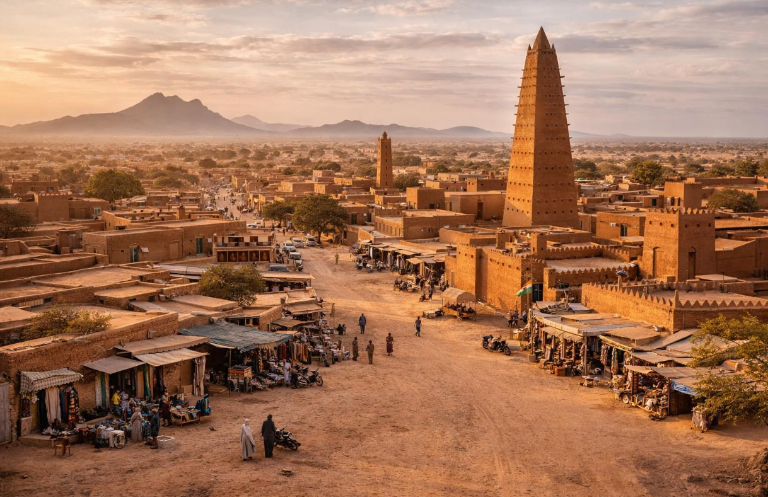
Agadez, a historic trade hub on the edge of the Sahara, has become a flashpoint. Its remote desert location, porous borders, and proximity to major smuggling routes make it an ideal target for militant groups. The fact that both women were taken in the city underscores the growing boldness of kidnappers and the limits of local and international security responses.
How hostage negotiations exposed Libya’s rising influence in the Sahel
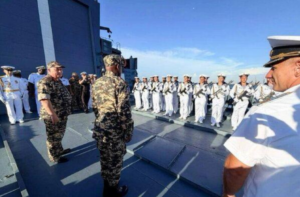
Their transfer to Benghazi, a stronghold of Libyan military leader Khalifa Haftar, has thrust the North African country into the spotlight—not just as a transit point for arms and fighters, but as a potential mediator in regional hostage crises. While details remain scarce, credible reports suggest informal channels involving Haftar’s inner circle played a role in securing their release. His son, Saddam Haftar, has been named in local and international reports as a key facilitator.
This intervention highlights a troubling trend: as governments in the Sahel struggle to contain armed groups, non-state actors and regional militias—including those with ties to Libya—are increasingly filling the mediation gap. For Haftar’s administration, such actions offer a rare opportunity to project influence beyond Libya’s borders and establish dialogue with European capitals, even as Tripoli remains divided.
No clear answers on ransom or conditions
Despite the relief, critical questions linger. Was a financial payment involved? Were prisoners released in exchange? Officials from both Austria and Switzerland have declined to comment, and no European government has acknowledged involvement in negotiations. The opacity surrounding such deals only fuels speculation about the true costs of freedom in a region where kidnapping has become a lucrative industry for militants.
Why Niger’s hostage crisis is a warning for African and European security
The kidnappings in Agadez are not isolated incidents—they are symptoms of a broader security collapse. Northern Niger, already grappling with jihadist violence from groups like the Islamic State in the Sahel, has become one of the most dangerous places in Africa for foreign nationals. The Islamic State’s expansion across the Sahel has turned towns like Agadez into battlegrounds where civilians and aid workers are routinely targeted.
For governments in Europe, the risks are clear. France and the United States have both issued travel warnings ranking Niger as a “do not travel” zone due to terrorism and kidnapping threats. These advisories are not mere bureaucratic gestures—they reflect real dangers. The inability of Nigerien forces to protect civilians or secure key cities like Agadez raises urgent questions about the effectiveness of regional cooperation and international support.
The road to recovery: Both women face long-term healing
While Eva Gretzmacher and Claudia Abbt are now out of immediate danger, their journey to recovery has just begun. Medical teams and psychological support specialists are preparing for their arrival in Europe, where authorities are coordinating a delicate handover. Survivors of prolonged captivity often face long-term health challenges, both physical and emotional, making comprehensive care essential.
Governments and NGOs are already reviewing their crisis response protocols, examining how future abductions can be prevented—or at least resolved more swiftly. Yet the reality remains harsh: in a region where borders mean little to armed groups and governments struggle to assert control, the next hostage crisis may already be brewing.
What this means for Europe’s role in the Sahel’s future
The release of these two women offers a brief moment of hope in an otherwise unrelenting crisis—but it must not obscure the deep structural challenges facing the Sahel. The involvement of Libyan intermediaries in hostage negotiations signals a shift: Africa’s conflicts no longer respect national boundaries, and neither do the solutions. As Europe grapples with migration flows, terrorism, and humanitarian emergencies, its engagement in the Sahel must evolve from crisis response to long-term stabilization—before the next European citizen becomes a hostage.