The sanitation disaster at Lomé’s airport forces Togo to hand over duty-free operations to Lagardère Travel Retail
Togo’s international reputation as a gateway to West Africa has taken a severe hit following a devastating sanitation failure at Lomé’s Gnassingbé-Eyadéma International Airport. What began as an internal crisis has now escalated into a full-scale economic liability, pushing the Togolese government to abandon its long-held stance on public airport management. In a dramatic policy shift, authorities have confirmed that Lagardère Travel Retail, the French retail giant, will assume control of the airport’s duty-free and commercial zones—marking a pivotal retreat from state-led operations in favor of private expertise.
From operational chaos to national embarrassment: how a plumbing failure exposed deeper structural flaws
The turning point came in October 2026, when a catastrophic failure in the airport’s drainage system led to a public health incident of unprecedented scale. Passengers and airlines were met with an unimaginable sight: raw sewage flooding the departure hall, earning the incident the grim moniker “the fecal rain scandal.” Official attempts to downplay the disaster as a “minor technical glitch” or the result of “falsified footage” only deepened public mistrust, revealing a long-standing pattern of neglect in infrastructure maintenance.
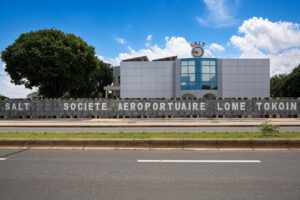
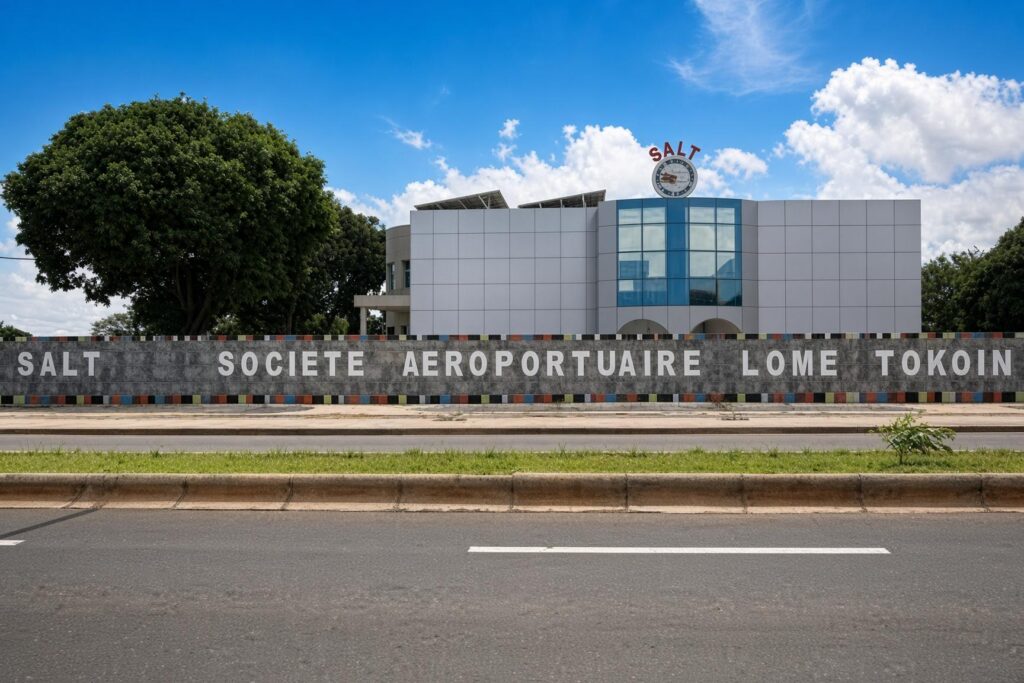
For travelers, this was more than an inconvenience—it was a symbol of systemic mismanagement. For the Togolese economy, it became a crisis of confidence. Airlines began rerouting flights through neighboring capitals, while foreign investors hesitated to expand operations in the country. The airport, once touted as a future logistics hub for West Africa, now stood as a liability threatening Togo’s economic ambitions. With public trust in the national airport authority (SALT) shattered, the government had little choice but to seek external intervention.
The cost of modernization: will foreign expertise save Lomé’s gateway—or sacrifice local businesses?
The move to entrust Lagardère Travel Retail with commercial operations is framed as a strategic lifeline. The French group, backed by the Louis Hachette Group and ultimately owned by the Bolloré Group, brings a proven track record in airport retail and international standards compliance. Their appointment signals immediate restructuring: upgraded sanitation systems, streamlined passenger services, and a revamped duty-free experience designed to align with global aviation benchmarks.
Yet this decision carries profound economic implications. Critics argue that handing over prime commercial real estate to a French multinational risks sidelining Togolese entrepreneurs and small businesses in favor of international brands. The concession could shift profit flows abroad, diluting the economic benefits that a national airport is expected to generate. For a country already grappling with trade imbalances, the trade-off between foreign investment and domestic economic sovereignty has never been more salient.
Can Lagardère restore Lomé’s airport as a beacon of African progress—or will it deepen dependency?
The stakes could not be higher. Togo’s government is betting that Lagardère’s operational rigor will restore the airport’s international standing, attract new airlines, and revive investor confidence. But success depends on striking a delicate balance: modernizing infrastructure without ceding control over a critical national asset. The Togolese public will be watching closely as the first passengers return to a facility that, for months, symbolized national failure.
The question now is whether this partnership can transform Lomé’s airport from a cautionary tale into a model of public-private collaboration—or if it will simply replace one form of dependency with another. One thing is certain: the “fecal rain scandal” has already changed the economic narrative for Togo forever.
Key takeaways: the impact on travelers, businesses, and Togo’s economy
- Travelers face uncertainty: prolonged disruptions, rerouted flights, and declining service standards at Lomé’s airport have eroded passenger confidence and international connectivity.
- Local businesses at risk: SMEs and artisans may lose commercial visibility as international brands dominate duty-free floors.
- Economic sovereignty questioned: the concession raises concerns over profit leakage and reduced control over a strategic national infrastructure.
- Path to recovery: Lagardère’s intervention could restore global standards—but at what long-term cost to Togo’s economic autonomy?