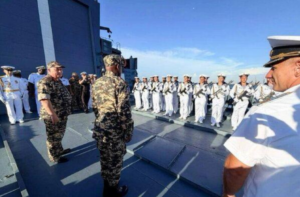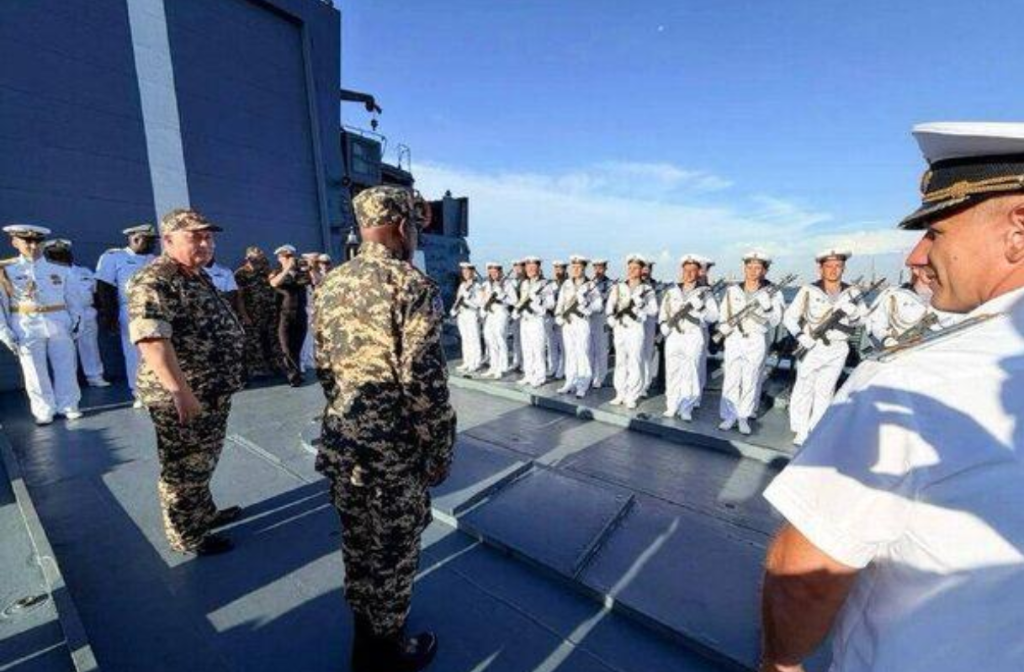
The docking of Russia’s naval training ship Perekop at Walvis Bay, Namibia, on October 20, 2026, has sent ripples across Southern Africa’s strategic waters. While Moscow frames the visit as a routine maritime training mission, the real-world consequences for Namibia’s economy, security, and geopolitical alliances are worth examining.
Why Walvis Bay matters in the Russia-Namibia maritime nexus
Namibia’s Walvis Bay isn’t just Africa’s fourth-largest port—it’s a gateway to the South Atlantic, connecting resource-rich Southern Africa to global trade routes. For Russia, a country expanding its naval presence on the continent, this port offers critical logistical advantages.
Naval experts point out that port access agreements—whether permanent or temporary—allow foreign navies to refuel, repair, and restock during long deployments. While Russia lacks permanent bases in Africa, strategic port visits like this one help sustain its naval operations in distant waters.
Economic ripple effects for Namibia’s port city
The arrival of the Perekop didn’t just boost the morale of naval cadets—it had immediate consequences for Walvis Bay’s local economy. Port authorities reported increased activity as Russian sailors interacted with Namibian counterparts, potentially strengthening future trade ties.
- Increased shipping traffic: Even temporary visits can lead to follow-up commercial vessels, boosting port revenue.
- Job opportunities: Local maritime service providers—from ship repair to hospitality—may see short-term demand rise.
- Long-term infrastructure projects: If naval visits become frequent, Namibia could push for upgrades to port facilities to accommodate more foreign military ships.
Security considerations: a double-edged sword
While Namibia’s government welcomes foreign investment in defense and logistics, the sudden presence of a Russian navy ship raises questions about regional security. Could this open doors to more military cooperation—or even competition?
Some analysts warn that repeated Russian naval visits might provoke counter-moves from Western powers, which have historically dominated naval operations in the South Atlantic. Namibia, caught between economic opportunity and geopolitical tension, must navigate these waters carefully.
Diplomatic chessboard: is Namibia playing both sides?
Namibia isn’t just a spectator in this game—it’s an active player. By hosting the Perekop, the government signaled its willingness to diversify partnerships beyond traditional Western allies.
Military cooperation isn’t new for Namibia—it has long engaged with countries like China and India in defense training and trade. But Russia’s growing interest in Africa adds a new layer to its foreign policy choices.
What Namibia gains from this naval diplomacy
For a nation with a small but professional military, collaborating with a global power like Russia can bring:
- Enhanced training programs: Russian naval academies are known for their rigorous standards.
- Defense technology transfers: Potential discussions on equipment and maintenance could strengthen Namibia’s maritime security.
- Economic leverage: A stronger relationship with Russia could lead to new trade agreements or investment in Namibia’s extractive industries.
Moscow’s bigger picture: from training to influence
Russia isn’t just sending ships to Walvis Bay for training drills. The Perekop’s voyage is part of a broader strategy to:
- Project naval power: By appearing in African waters, Russia reminds the world it’s still a maritime force to reckon with.
- Weaken Western dominance: In an era of rising U.S.-China tensions, Russia seeks to carve out its own space in global oceans.
- Secure future footholds: Each port visit plants the seeds for stronger alliances—not just with Namibia, but across the continent.
But is this a prelude to a Russian base in Africa?
While some speculate about future Russian naval bases on the continent, analysts caution against jumping to conclusions. A single port visit—even by a training ship—doesn’t equate to a permanent military presence.
For now, the Perekop’s stop in Walvis Bay remains a diplomatic and educational mission. However, if Russia’s next visits involve combat ships, logistics support vessels, or long-term infrastructure deals, then the narrative changes. Until then, the consequences are more about perception than permanent change.
What’s next for Namibia and Russia’s naval relationship?
The true test of this visit’s impact will be seen in the coming months. Several developments could signal Russia’s deeper intentions:
- Frequency of visits: Will the Perekop return? Will other Russian ships follow?
- Military agreements: Will Namibia and Russia sign formal defense cooperation pacts?
- Port infrastructure deals: Will Russia invest in upgrading Walvis Bay’s facilities for its own use?
Until then, Namibia stands at a crossroads—balancing economic opportunities with geopolitical risks. One thing is certain: the Perekop’s stopover has already reshaped conversations about Africa’s role in the 21st-century naval order.
Real-world impacts: beyond the headlines
While Western media often frames Africa as a battleground for great-power competition, the reality on the ground is more nuanced. For Namibia’s citizens and businesses, the arrival of the Perekop has tangible consequences:
- Local business owners in Walvis Bay see new customers—Russian sailors spending money in hotels, restaurants, and shops.
- Maritime workers gain exposure to new technologies and practices through interactions with Russian crews.
- Government officials must weigh the benefits of military cooperation against potential diplomatic friction.
If Russia’s strategy in Africa follows a pattern seen in other regions, Walvis Bay could become a stepping stone—not an endpoint—in Moscow’s naval ambitions. But for now, the most visible effects are local, not global.
Namibia’s balancing act: staying neutral or picking sides?
Namibia has long maintained a policy of non-alignment, avoiding entanglement in superpower rivalries. Yet, as Russia’s presence grows, the government faces pressure to take a clearer stance.
Will Namibia continue to welcome foreign naval ships without favoring any one power? Or will it start making strategic choices that could reshape its alliances? The answers won’t come from a single ship visit—but they could be shaped by the ripple effects of the Perekop’s arrival.