The unfolding crisis: Macron’s gamble on Nuñez amid unprecedented urban unrest
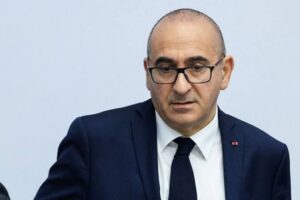
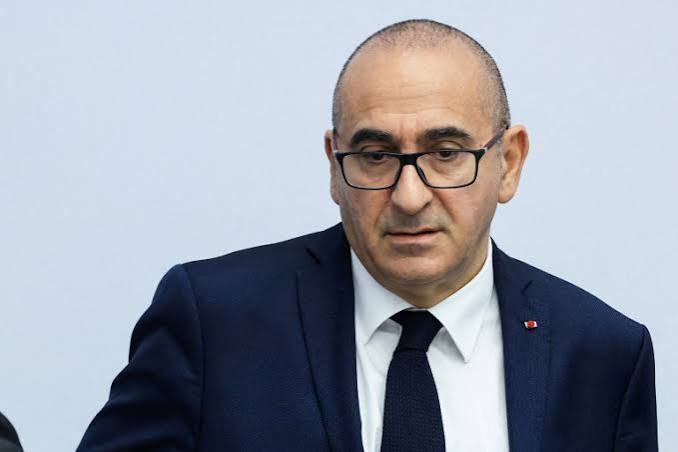
As flames engulfed the streets of Paris, Lyon, and Marseille during another night of riots, looting, and violent clashes, France stood at a crossroads. The government’s response to these unprecedented disturbances has become the epicenter of a political storm, with major cracks emerging in the nation’s security framework. In a bold move that surprised political analysts nationwide, President Emmanuel Macron has rejected the resignation of Interior Minister Laurent Nuñez—despite public demands for accountability.
This decision comes at a critical juncture, as citizens and businesses reel from the economic and social fallout of the unrest. The president’s stance signals not just a rejection of resignation culture but a deliberate gamble: maintaining continuity in leadership while overhauling security tactics that have visibly failed to contain the crisis.
Why Macron bet on Nuñez: continuity versus change in a crisis
Laurent Nuñez’s offer to step down was framed as a necessary act of responsibility given the catastrophic breakdown in law and order during the weekend disturbances. Yet, the Élysée Palace swiftly countered this gesture with a statement affirming the minister’s retention in office. The rationale? The government cannot afford the turmoil of a leadership vacuum during what has escalated into France’s most severe security crisis in decades.
Macron’s refusal to accept the resignation underscores a calculated risk: prioritizing immediate stability over symbolic accountability. By keeping Nuñez, the president signals confidence in his ability to implement drastic reforms—even as critics argue that the move risks undermining public trust in government competence.
From containment to confrontation: the new playbook for France’s police
The era of passive policing is over. Under direct orders from the Élysée, Interior Minister Laurent Nuñez has been tasked with deploying a radical new intervention strategy aimed at neutralizing rioters before they escalate. The government’s mandate is clear: dismantle barricades within minutes, prevent commercial looting, and dismantle organized groups of troublemakers with decisive force.
Key objectives of the overhaul include:
- Proactive disruption: Police units will now deploy earlier in potential hotspots to prevent the formation of barricades and violent confrontations.
- Targeted arrests: Intelligence-led operations will focus on identifying and apprehending ringleaders to dismantle organized criminal networks fueling the unrest.
- Public security zones: Strategic areas will be placed under enhanced surveillance, with rapid-response teams on standby to contain flare-ups within minutes.
This shift represents a fundamental departure from the reactive tactics that have dominated French policing for years, reflecting Macron’s demand for a more offensive and anticipatory approach.
The intelligence failure nobody can ignore
Beneath the surface of these operational changes lies a more troubling revelation: systemic failures in intelligence gathering and risk assessment. The government has now mandated a full audit of pre-riot intelligence protocols, with Macron insisting on full transparency regarding the lapses that allowed the unrest to spiral out of control.
Investigations will focus on:
- Why advance warnings of potential disturbances were not acted upon effectively.
- How organized criminal elements exploited gaps in police visibility.
- What structural changes are needed within intelligence agencies to prevent future breakdowns.
This scrutiny comes as public anger grows over perceived government incompetence. With businesses boarded up and families fearful of venturing into city centers, the pressure is on Nuñez to deliver visible results—or face the political consequences of continued failure.
Public and private sectors brace for long-term impact
The economic reverberations of the unrest are already being felt across France. Small businesses, already battered by years of inflation and energy crises, now face another existential threat—permanent closures due to looting and property damage. Insurance claims for riot-related damages are projected to exceed €500 million, a figure that could cripple regional economies dependent on tourism and local commerce.
Meanwhile, the French business community has issued a stark warning: without swift and effective restoration of order, investor confidence in urban markets could collapse. Analysts warn that prolonged instability could deter international investors, derail economic recovery plans, and push unemployment rates higher in vulnerable regions.
What’s next: will the strategy work?
As Macron’s government staked its credibility on this high-stakes security overhaul, the nation waits to see if the gamble pays off. The new tactics—radical in their departure from tradition—will be tested in real time. Critics argue that brute-force responses risk alienating already disillusioned communities, while supporters claim that only decisive action can restore the rule of law.
What remains clear is that the cost of failure is no longer just political—it is societal and economic. For Laurent Nuñez, the margin for error has vanished. For President Macron, the decision to retain him may well define the final chapter of his legacy on national security.