Niamey’s streets are no longer the same. Once bustling with activity, the capital now resembles a city frozen by fuel scarcity. Citizens endure exhausting waits at empty gas stations, while businesses teeter on the edge of collapse. This isn’t just an inconvenience—it’s a full-blown economic emergency that exposes systemic failures in Niger’s energy management.
From long lines to lost livelihoods: how fuel shortages disrupt daily life
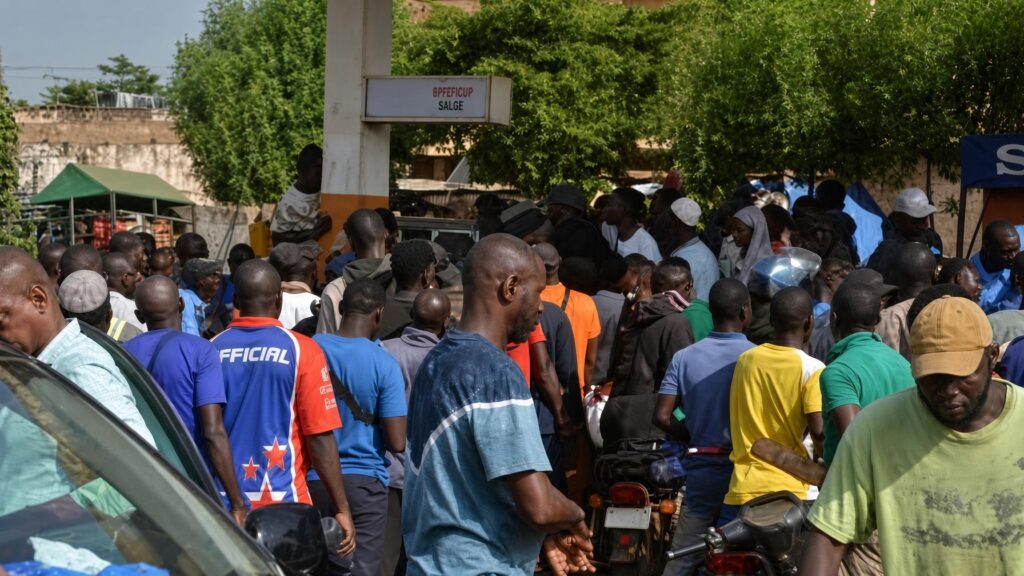
The crisis has reshaped life in Niamey. Long queues snake outside gas stations, not for refills, but for scraps of hope. Many citizens wake up before dawn, clutching jerrycans, only to face disappointment when pumps run dry within hours. Public transport grinds to a halt, forcing commuters into overcrowded vehicles or onto foot, navigating the scorching Sahel sun for hours.
The ripple effects are devastating. Small businesses, already struggling, now face crippling losses as suppliers fail to deliver goods. Market stalls close early, farmers watch their harvests spoil for lack of transport, and street vendors vanish from corners once crowded with activity. The cost of living soars as transportation prices skyrocket, turning basic necessities like food and medicine into luxuries for ordinary citizens.
Government failures fuel a deeper crisis: mismanagement and missed signals
The roots of this disaster trace back to years of poor planning and complacency. Niamey relies on the Soraz refinery in Zinder, a facility theoretically capable of producing 20,000 barrels per day—but it prioritizes diesel, leaving gasoline supply critically low. Officials have known for years that Nigeria’s fuel subsidies would end, cutting off a key supply of affordable fuel. Yet, they failed to act, leaving Niger unprepared for the inevitable shock.
The government’s response? A feeble, poorly executed rationing system and a list of barely functional gas stations—published with little coordination, only to redirect desperate drivers to the same overcrowded sites. Transparency is nonexistent. Citizens demand clarity on fuel stocks and distribution schedules, but officials remain silent, fueling rumors and panic. When allegations of mismanagement surface, ministers dismiss them without evidence, eroding public trust even further.
Black markets thrive as state collapses: the hidden costs of fuel scarcity
Where the state falters, informal markets surge. Alongside Niamey’s roads, vendors sell adulterated, overpriced fuel—often diluted or contaminated—leaving vehicle owners with damaged engines and mounting repair bills. Motorbike taxi drivers, already squeezed by rising fares, borrow from loan sharks at usurious rates, trapped in a cycle of debt.
The economic damage doesn’t stop there. Inflation looms as transport costs spiral, threatening to make food, medicine, and even clean water unaffordable. The working class bears the brunt: farmers can’t reach markets, artisans can’t deliver goods, and daily laborers lose income waiting in endless queues. The state’s inability to ensure basic fuel access isn’t just poor governance—it’s a betrayal of its citizens’ right to work, move, and survive.
What’s next for Niamey? The road to recovery or deeper collapse?
Niger’s fuel crisis isn’t a temporary glitch—it’s a structural breakdown. Without urgent, transparent reforms, Niamey’s economy will continue to suffocate. The government must either scale up domestic refining capacity, secure stable import agreements, or risk total paralysis. Citizens, meanwhile, face a brutal choice: wait indefinitely in queues, pay inflated black-market prices, or abandon mobility altogether.
The crisis has laid bare the cost of incompetence. But it also highlights the resilience of Niamey’s people. From entrepreneurs to moto-taxi drivers, they are finding makeshift solutions to keep the city moving. Yet these efforts can’t replace systemic change. For Niamey to breathe again, the state must stop playing catch-up and start delivering real solutions—or watch its people, and its economy, collapse under the weight of its failures.