As the Central African Republic (CAR) grapples with ongoing instability, the expanding influence of Russian actors has become a double-edged sword for citizens and businesses alike. Economic analysts warn that while military support from Moscow provides short-term security benefits, it comes at a growing cost to the nation’s long-term financial health and sovereignty. Families are feeling the pinch as local markets react to shifting geopolitical allegiances, while entrepreneurs struggle to adapt to an environment where foreign interests increasingly dictate domestic policies.
Russian influence in CAR: a mixed blessing for local economies
The Central African Republic has become a focal point for Russia’s strategic ambitions in Africa, with the Kremlin’s footprint expanding far beyond traditional diplomacy. While proponents argue that Russian security contractors offer stability in a region plagued by armed groups, the economic consequences are becoming harder to ignore. Local businesses report rising operational costs tied to resource scarcities and currency instability, directly linked to the influx of foreign actors and their demands on infrastructure and supply chains.
Inflation and currency volatility hit households hardest
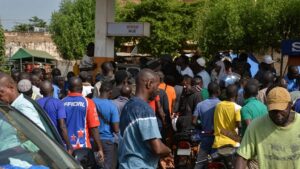
For ordinary Central Africans, the most immediate impact is financial. The Russian-backed presence has contributed to increased inflation, particularly in urban centers like Bangui, where demand for goods and services outstrips supply. The Central African franc, already fragile, has seen fluctuations that erode purchasing power. Traders in markets now quote prices in hard currencies, leaving many unable to afford staples like rice, cooking oil, and medical supplies. Families are forced to adjust budgets, often sacrificing education or healthcare to make ends meet.
Key economic pressures:
- Surge in import costs due to supply chain disruptions
- Rising fuel prices linked to sanctions and global market shifts
- Devaluation of the Central African franc against the US dollar
- Increased cost of living, with food insecurity on the rise
Businesses caught in the crossfire of geopolitical tensions
Small and medium-sized enterprises (SMEs) in CAR are facing existential challenges as they navigate a landscape dominated by foreign actors. The arrival of Russian-backed security firms has altered the local business ecosystem, often sidelining indigenous entrepreneurs in favor of enterprises aligned with Moscow’s interests. Contracts for construction, logistics, and resource extraction are increasingly awarded to foreign-linked firms, leaving local ventures struggling to compete.
Resource exploitation clouds long-term stability
The Central African Republic’s vast mineral wealth—including gold, diamonds, and uranium—has long been a magnet for foreign interest. Russian companies and their local partners are now at the forefront of extraction projects, but the benefits rarely trickle down to communities. Instead, environmental degradation and labor disputes are on the rise, while tax revenues from these operations often fail to contribute meaningfully to public services. Residents in mining regions report water contamination and reduced agricultural yields, threatening livelihoods.
Environmental and social impacts of resource extraction:
- Deforestation and soil degradation in gold mining zones
- Displacement of local communities due to land grabs
- Increased water pollution from unregulated mining practices
- Limited local employment, with most high-paying jobs going to foreign workers
Sovereignty at risk: who really benefits from Russian partnerships?
Critics argue that CAR’s growing reliance on Russian security and economic support is eroding the country’s ability to make independent policy decisions. The government’s reliance on foreign contractors for critical functions like mining and security raises questions about transparency and accountability. While Russian assistance may provide temporary respite from rebels and instability, it comes with strings attached—strings that may ultimately undermine the nation’s self-determination.
Potential long-term risks to CAR’s sovereignty:
- Increased foreign control over key economic sectors
- Erosion of local governance and decision-making autonomy
- Dependence on external actors for national security
- Alignment with Russian political and economic interests at the expense of regional partnerships
Is there a way forward for Central Africa’s struggling nation?
For CAR to break free from the cycle of dependency and economic strain, a shift in strategy is essential. Diversifying partnerships, investing in local industries, and strengthening regional alliances could help mitigate the negative effects of foreign influence. However, with global powers vying for influence in the region, the path forward remains fraught with challenges. Can CAR reclaim its economic agency, or will it remain locked in a cycle of foreign-led growth that benefits outsiders more than its own people?