The human toll of unchecked street begging in Bamako
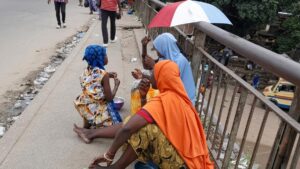
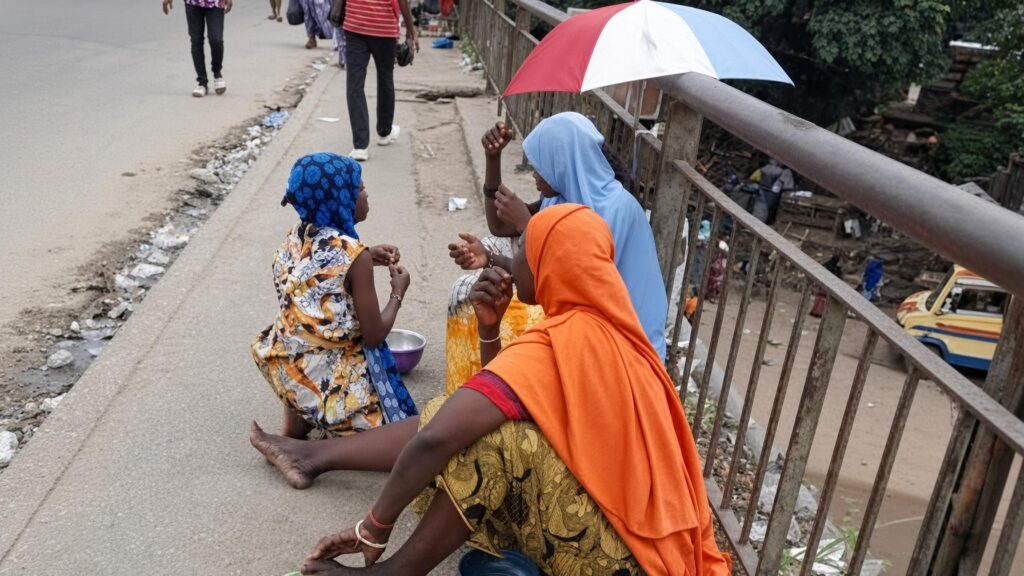
In Bamako’s most crowded intersections, public squares and religious sites, a daily chorus of outstretched hands tells a stark story of state failure. Children, elderly people and persons with disabilities navigate through traffic and among pedestrians, their presence impossible to ignore yet easily overlooked by passersby. Despite repeated government pledges and public campaigns, street begging has not just persisted—it has expanded into a chronic urban crisis with devastating consequences for Malian society.
Why government initiatives fail to break the cycle
Official attempts to curb begging—such as nighttime sweeps and social outreach programs—are launched with visible urgency. Yet, within hours, many of those removed from the streets return, trapped in the same cycle of poverty and neglect. The problem isn’t a lack of effort; it’s a systemic failure to address root causes. Without sustainable shelters, consistent financial support and long-term monitoring, short-term interventions have little lasting impact.
Behind every begging posture lies a deeper collapse: the erosion of public services, the collapse of social protection and the absence of meaningful economic opportunities for vulnerable families.
The education gap that fuels child begging
Millions of Malian children grow up in families that cannot afford school fees, uniforms or transportation. While primary education is theoretically free, hidden costs and chronic shortages of qualified teachers mean many children never enroll or drop out early. Abandoned by the formal education system, they become easy targets for informal Quranic schools (médersas) that operate with minimal oversight.
These unregulated institutions often prioritize economic exploitation over learning. Children are sent into the streets to beg, their earnings taken by teachers or guardians. Despite laws against child labor and forced begging, enforcement remains weak, especially when cultural and religious sensitivities are invoked to avoid accountability.
Public funds misdirected, social justice delayed
Mali’s national budget reflects misplaced priorities. While defense and administrative costs consume a growing share of revenue, allocations for education, child protection and social inclusion remain critically low. Corruption and mismanagement further erode public trust: promised stipends for vulnerable families never reach them, and humanitarian aid is siphoned off through bureaucratic red tape and embezzlement.
This financial disconnect is not just a budgetary issue—it’s a betrayal of the social contract between the state and its citizens, especially the most marginalized.
From poverty to peril: the rising threat beneath the surface
The consequences of unaddressed street begging extend far beyond discomfort on city streets. Tens of thousands of children and young people—illiterate, unsupervised and desperate—are increasingly vulnerable to recruitment by armed groups, human traffickers and criminal networks operating in the Sahel region. Without access to education, vocational training or safe shelter, they represent a generation at risk of radicalization and exploitation.
The state’s failure to protect its most vulnerable citizens is not merely a humanitarian concern—it is a growing security risk that threatens regional stability.
Can Mali break the pattern?
Ending the street begging crisis demands more than public statements and temporary raids. It requires a fundamental shift in governance: transparent budgeting, enforced child protection laws and investment in durable social infrastructure. Only when education becomes accessible, when corruption is curbed and when humanitarian aid reaches those in need can the cycle of begging be broken.
Until then, the image of outstretched hands at every traffic light will continue to symbolize not just poverty—but the collapse of a state’s responsibility to its people.