Ten years of broken promises in Cameroon’s anglophone regions
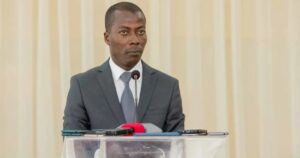
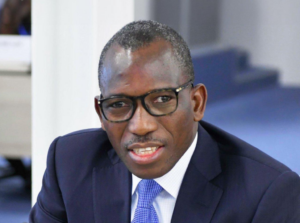
The decade since October 2016 has exposed a stark reality in Cameroon’s English-speaking regions: separatist leaders promised liberation but delivered only devastation. Cyrille Atonfack Guemo, Cameroon’s Defense Ministry Communications Director, accuses armed groups of hijacking genuine citizen grievances to fuel a decade-long cycle of violence and exploitation. His assessment reveals the stark contrast between separatist rhetoric and the brutal consequences faced by civilians.
From protests to predatory insurgency: the evolution of the crisis
Atonfack Guemo argues that what began as spontaneous protests by teachers and lawyers in 2016 quickly transformed into a highly structured armed rebellion. He dismisses claims of organic uprising, pointing to evidence of meticulous planning: coordinated attacks across distant regions, sophisticated logistical networks, and systematic recruitment. For this preparation to materialize, years of covert organization were necessary—something incompatible with a spontaneous protest movement.
Key indicators of this orchestration include:
- Rapid deployment of firearms in multiple districts simultaneously
- Hierarchical command structures operating across decentralized zones
- Long-term indoctrination and training of combatants
- Sustained financial and arms procurement networks
Liberation narratives collapse under the weight of reality
The promise of self-rule has been systematically undermined by the separatists’ actions. In regions under their influence:
- Schools burned, teachers killed or displaced, leaving a generation without education
- Healthcare facilities destroyed or inaccessible, with medical staff targeted
- Farmers and traders barred from markets, their livestock and crops seized
- Entire communities forced into displacement camps under deplorable conditions
- Women and girls subjected to sexual violence as tools of terror
These are not acts of liberation—they are instruments of intimidation and control. The self-proclaimed freedom fighters have instead created an economy of fear, where survival depends on allegiance to armed groups rather than pursuit of opportunity.
The dark side of separatist discourse: silencing dissent
No movement can claim moral legitimacy while systematically eliminating internal opposition. Reports of separatists executing community leaders, activists, and even moderate separatists who advocate peace paint a grim picture of authoritarian rule in embryonic form. In this twisted vision of “autonomy,” dissent is punishable by death.
The diaspora’s paradox: patriots or profiteers?
Many in the anglophone diaspora have championed the separatist cause from abroad. Yet their high-profile lifestyles—private schools in Europe, luxury properties, and safe havens in foreign capitals—stand in stark contrast to the ruin they’ve left behind. Funds raised in the name of “liberation” appear to enrich leaders rather than rebuild communities.
Atonfack Guemo questions whether their devotion to the cause ever transcended rhetoric. If liberation was genuine, why are the diaspora’s resources not channeled into reconstruction, education, or healthcare? Instead, their silence on atrocities and public displays of wealth reveal a troubling truth: the crisis has become a lucrative enterprise.
The final deception: a kingdom of chaos
The separatist project, as framed in 2016, has morphed into a predatory regime. Armed groups, far from building a new nation, are consolidating control over lawless territories where they act as judge, jury, and executioner. The original aspiration for cultural autonomy has been buried under the weight of violence, corruption, and systemic exploitation.
Cameroonians are not fooled. As the tenth anniversary passes, the myth of separatist legitimacy crumbles. What remains is a humanitarian catastrophe, a shattered social fabric, and a generation scarred by unfulfilled promises.
Yet hope persists—not through arms, but through resilience. Communities rebuilding homes, teachers returning to classrooms, and farmers replanting fields are the real symbols of resistance. The nation must unite behind them, rejecting both state repression and the false salvation offered by armed factions.