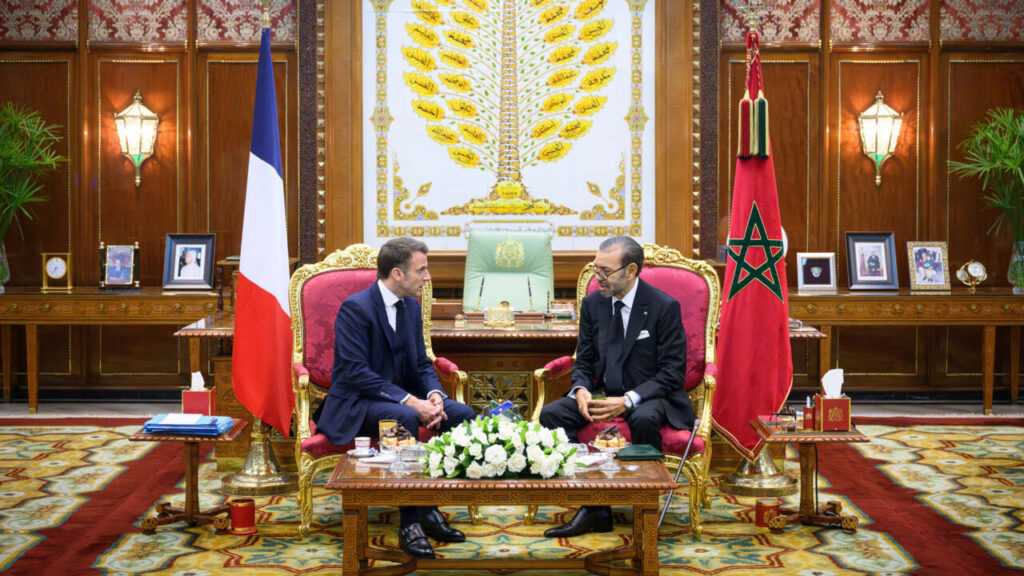
On Wednesday, the French Prime Minister, accompanied by a delegation of key ministers, embarked on a two-day official visit to Morocco to reinforce bilateral cooperation. This trip marks the first international engagement of the French head of government since assuming office, underscoring the strategic importance of the relationship between the two nations.
A high-level delegation, including the Ministers of Foreign Affairs and Interior, is set to engage in discussions with Moroccan counterparts to finalize agreements spanning economic collaboration, security cooperation, migration policies, and defense initiatives. The visit follows a period of strained relations, marked by allegations of cyber espionage and disputes over visa policies, which have since eased following France’s endorsement of Morocco’s sovereignty over Western Sahara in 2024.
Laying the groundwork for a historic partnership
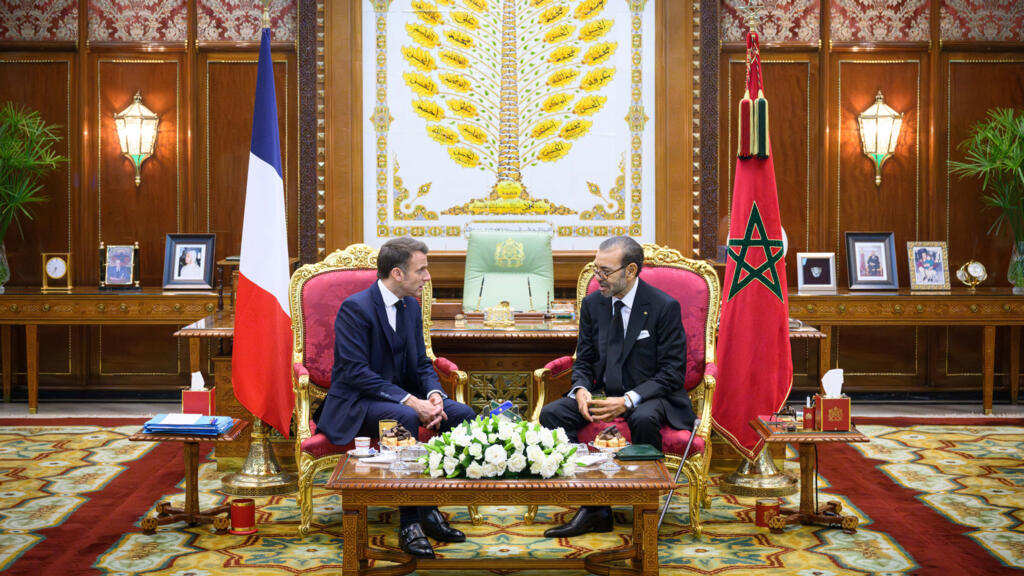
Beyond addressing immediate bilateral concerns, the visit aims to pave the way for a landmark “exceptional partnership” between France and Morocco, akin to agreements France maintains with select European nations. This landmark accord is anticipated during the upcoming state visit of Morocco’s King Mohammed VI to France, a trip whose scheduling remains pending after being announced by foreign ministers in May.
The delay in finalizing a date for the royal visit reflects the cautious approach taken by both sides, particularly given the rare public appearances of the Moroccan monarch and ongoing speculation about his health. While King Mohammed VI is known to spend private time in France, his last official visit dates back to early 2000, adding to the significance of any future state-level engagement.
Strategic importance in North Africa and beyond
Bilateral ties hold immense strategic value for both nations. Despite past tensions, France remains Morocco’s leading foreign investor and the primary source of foreign currency through remittances from Moroccan communities in France. For Morocco, the relationship is equally critical. In North Africa, Rabat stands as Paris’s preferred partner, overshadowing the complexities of relations with Algiers, where exchanges have resumed but remain fragile.
On the continental stage, Morocco’s renewed influence in sub-Saharan Africa, bolstered by its reintegration into the African Union, positions it as a vital gateway for France amid waning influence in the region. The partnership extends to defense, economic cooperation, and migration management, reflecting shared priorities in an evolving geopolitical landscape.
Morocco’s expanding global role
Morocco has strategically diversified its international partnerships, notably strengthening ties with the United States. This alignment includes Morocco’s participation in the Trump administration’s Peace Council and its adherence to the Abraham Accords, which normalized relations with Israel in 2020. While initially controversial, this move has since gained traction, particularly as the U.S. and Israel played pivotal roles in recognizing Morocco’s sovereignty over Western Sahara—a cornerstone of the kingdom’s foreign policy.