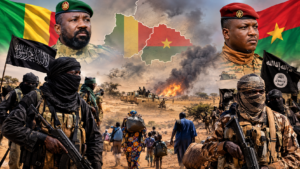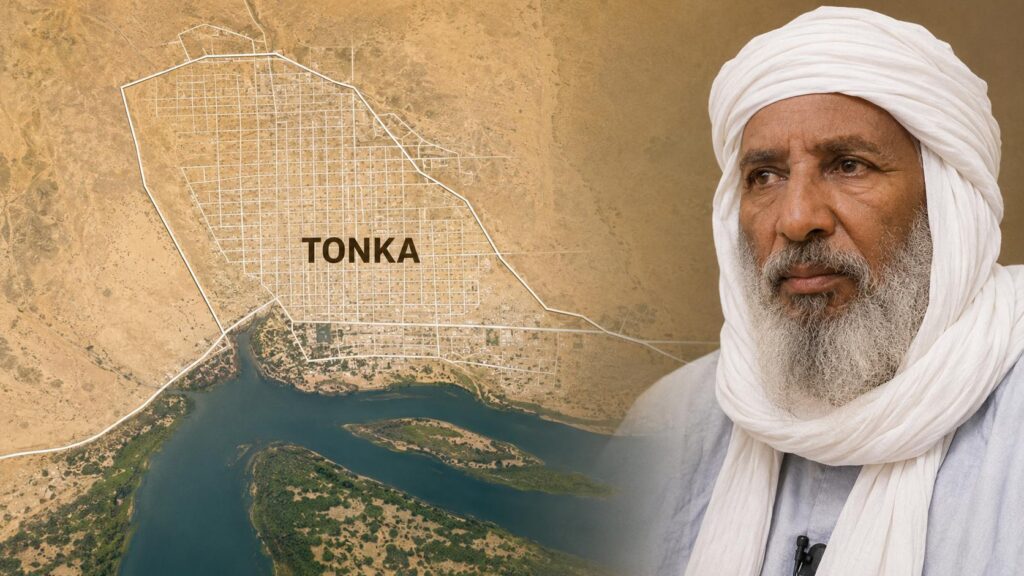
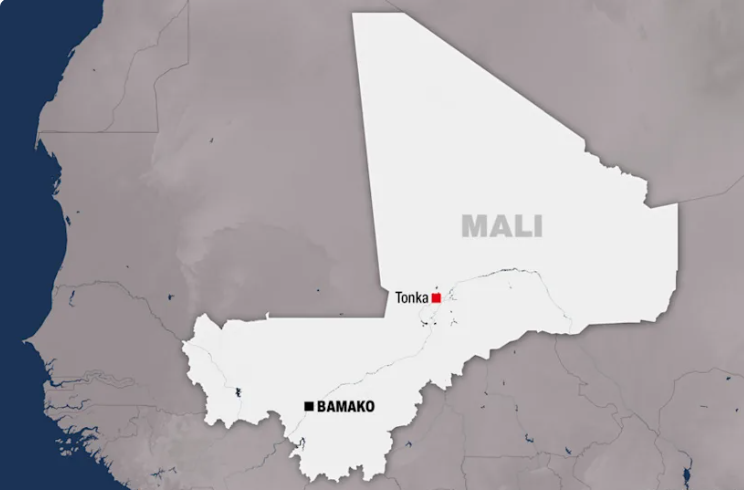
The relentless violence gripping Mali has once again flared up following a fresh assault attributed to the Group for the Support of Islam and Muslims (JNIM). The attack, which targeted a remote Malian community, left civilians dead and forced hundreds of residents to flee their homes.
Despite intensified military operations in recent months, armed factions continue to demonstrate their ability to strike in areas far beyond major urban centers. This latest incident underscores the ongoing challenge faced by authorities in securing the entire nation.
Targeting not just soldiers, but voices of dissent
The assassination of Malian blogger and influencer Mariam Cissé has sent shockwaves across the country. Rights groups and local communities point to the JNIM as the perpetrators behind the killing. Known for her vocal support of the Malian Armed Forces on social media, she was reportedly abducted before being executed by jihadist fighters. Beyond the personal tragedy, this act sends a chilling message: extremist groups are broadening their campaign of intimidation, targeting not only military personnel but also civilians and public figures whose views challenge their ideology.
Military solutions alone fall short
Since seizing power, the Malian transitional government has prioritized military capacity-building. The acquisition of advanced weaponry, strengthened security partnerships, and increased field operations reflect a clear commitment to regaining control over insurgent-held territories. Yet, the frequency of attacks and targeted assassinations—like that of Mariam Cissé—raises serious questions about the effectiveness of a purely military response.
Root causes demand a broader approach
Security experts argue that defeating extremism requires more than weapons and troop deployments. While these measures are crucial for protecting lives and reclaiming lost ground, they do little to address the underlying conditions fueling instability.
Chronic underinvestment in education, stark disparities in school access, youth unemployment, and limited economic opportunities remain persistent issues that extremist groups exploit for recruitment. Strengthening school infrastructure, ensuring inclusive education from an early age, and creating viable economic pathways for young people are seen by analysts as essential steps toward undermining radical influence.
A dual challenge for Mali
The government faces a two-pronged task: sustaining military efforts while implementing policies that respond to the needs of its people. A comprehensive strategy combining defense, education, local development, and governance could provide a more sustainable path forward in a crisis that has destabilized Mali—and the wider Sahel—for over a decade.
The cycle of civilian massacres and targeted killings reveals a troubling reality: the threat has evolved beyond armed confrontations. It now extends to anyone perceived as opposing extremist agendas. Stabilizing Mali will depend not only on the army’s ability to contain armed groups but also on the state’s capacity to rebuild institutions, restore public trust, and offer young citizens hope through education, employment, and meaningful civic engagement.