Government intervention amid rising cement costs
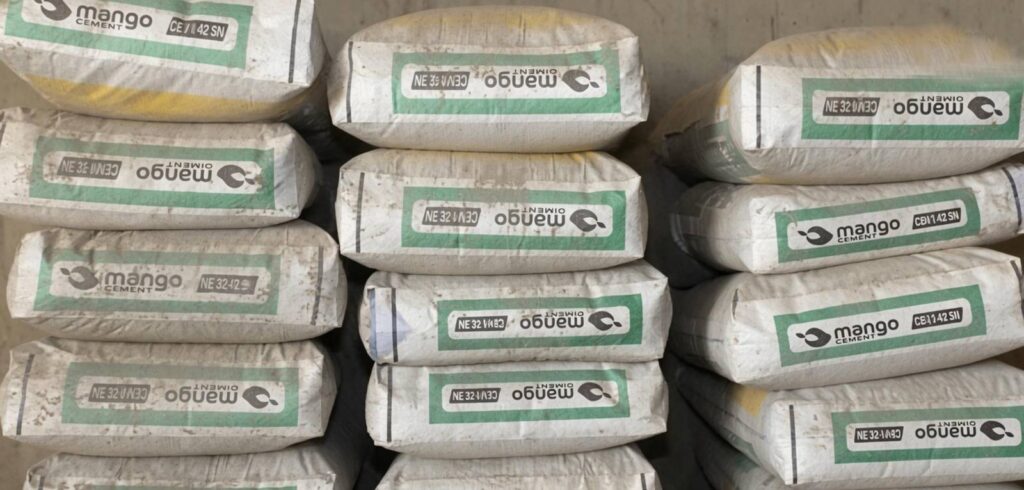
A sharp increase in cement prices and reported shortages across multiple regions have prompted the Nigerien government to intervene. On July 13, 2026, the Ministry of Commerce and Industry issued two decrees to cap the price of 42.5 N cement and impose penalties on operators violating the new regulations, including the seizure of illegally held stockpiles.
The government’s rationale centers on curbing speculative practices by certain traders accused of exploiting high demand to inflate prices or artificially restrict supply. The stated aim is to safeguard consumer purchasing power by preventing unjustified price hikes.
Short-term relief vs. long-term concerns
While the fight against speculation is justified, price controls without addressing underlying market issues may prove counterproductive. International experience shows that administrative price caps, when unaccompanied by measures to boost supply or secure distribution channels, often lead to unintended consequences.
By setting a maximum price without tackling production, transportation, or importation costs—which frequently exceed regulated margins—distributors may respond by reducing sales, cutting orders, or diverting stock to unmonitored markets where prices remain unchecked. The risk of exacerbating shortages or fueling parallel trade is significant.
Severe measures raise implementation questions
The threat of systematic stock confiscation is a drastic enforcement tool. While it may deter some fraudulent activity, its effectiveness hinges on transparent oversight and robust legal safeguards. Without clear procedural guarantees, concerns arise over potential misapplication, arbitrary interpretations, or escalating disputes between authorities and businesses.
A structural crisis disguised as a pricing issue
Beyond punishing unscrupulous traders, this episode exposes deeper vulnerabilities in Niger’s cement sector. Structural challenges—including supply bottlenecks, high logistics costs, importation hurdles, and insufficient domestic production—cannot be resolved by regulatory fiat alone.
Economic stakeholders emphasize that stable pricing requires a well-supplied market. Without enhancements to production capacity, streamlined import processes, and improved distribution networks, shortages will likely recur despite punitive measures.
Temporary solution or symptom of systemic failure?
The government’s swift action reflects mounting public frustration, but the approach risks treating symptoms rather than causes. While stricter controls may curb abuses in the short term, they cannot replace the structural reforms needed for sustainable market stability.
The ultimate challenge lies in rebuilding trust among authorities, producers, distributors, and consumers. Without a comprehensive strategy targeting the root causes of speculation and shortages, price caps may provide only fleeting relief—while introducing new distortions that disproportionately impact ordinary Nigerien citizens.