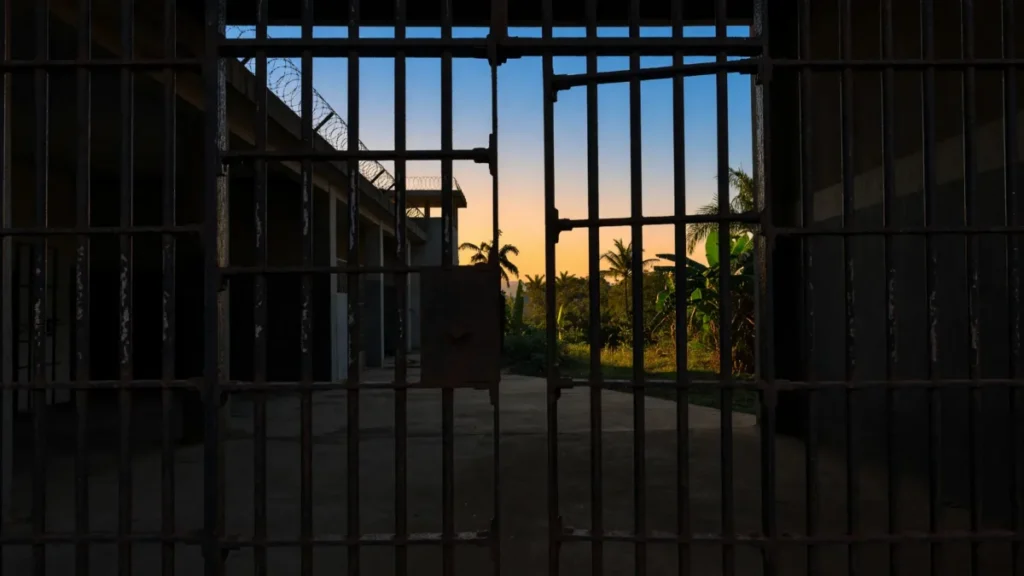
Six prominent local leaders of Côte d’Ivoire’s Parti démocratique de Côte d’Ivoire (PDCI-RDA) walked out of detention on Monday, July 20, 2026, after nearly nine months behind bars. Their release was confirmed by defense attorney Me Ange Rodrigue Dadjé, who announced the news on social media. The six activists—Allo Pacôme Didier, Kouleon Manhenin, N’Cho Gnangoran, Mabo Koffi Jean-Marc, Ouattara Kinjinlman, and Niangoran N’Guessan Édouard—were taken into custody between late September and early October 2025 during the heated presidential campaign period.
Arrests amid election unrest
The detentions occurred against the backdrop of Côte d’Ivoire’s 2025 presidential election, a tightly contested contest that deepened divisions between the ruling party and opposition forces. Prosecutors initially charged the activists with allegations of conspiracy against the state and attempted insurrection. The PDCI-RDA immediately condemned the arrests as politically motivated, alleging irregularities in their detention process. Government officials, however, insisted the prosecutions followed standard legal procedures and were not politically driven.
The specialized antiterrorism court, established in 2016, reviewed the case for nearly ten months before ordering their release. This decision marks a significant development in a legal saga that has drawn attention from both domestic and international observers.
Broader trend of opposition releases
This release is the latest in a series of recent discharges of opposition figures. Earlier, prominent opposition leaders Moïse Lida Kouassi and Ibrahim Zigui were also freed. While these developments suggest a possible easing of political tensions, the government has not issued any official statements to confirm a broader shift in approach. Authorities continue to emphasize that legal, rather than political, considerations guided the proceedings against these individuals.
Observers suggest the release could signal a move toward greater political openness, particularly as Côte d’Ivoire prepares for upcoming local and legislative elections. The international community, closely monitoring the country’s democratic space, may view this decision as a positive step.
Political climate in Côte d’Ivoire
Côte d’Ivoire, West Africa’s largest economy within the West African Economic and Monetary Union (WAEMU), has faced recurring political instability since the post-election crisis of 2010–2011. Electoral cycles—including the 2020 presidential vote—have often sparked violence and sparked arrests of opposition leaders. The PDCI-RDA, founded by the late Félix Houphouët-Boigny and a long-standing pillar of Ivorian politics, now operates as a key opposition force against President Alassane Ouattara, who secured a controversial third term in 2020.
The question of democratic alternation remains a central issue in Ivorian political discourse, with debates intensifying as the nation gears up for future local and legislative contests. The release of the six PDCI leaders arrives at a time of heightened political sensitivity across West Africa, where neighboring countries also grapple with internal and regional challenges.
Legal aftermath and political implications
Attorney Me Ange Rodrigue Dadjé welcomed the court’s decision but did not clarify whether his clients had received a full acquittal, a dismissal of charges, or a provisional release pending trial. Local media outlets, including the Ivorian Press Agency and national broadcaster RTI Infos, reported the news without further details on the next judicial steps.
The PDCI-RDA has not yet issued an official statement regarding the release. The six activists, several of whom held key territorial coordination roles within the party, are expected to resume their political activities in the coming days. Whether this judicial decision marks the beginning of a broader thaw or remains an isolated case will be closely watched by both domestic stakeholders and international partners.