Bamako is at a crossroads. The sudden rise of armed militant factions has left the nation’s stability hanging by a thread. Against this volatile backdrop, transitional leader Assimi Goïta is placing a daring wager—one that could redefine Mali’s future. Will his latest military buildup be enough to turn the tide, or will it deepen the crisis?
The gambit behind the uniforms: Goïta’s recruitment surge
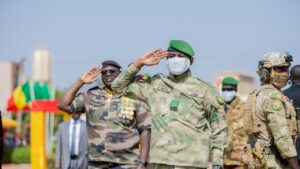
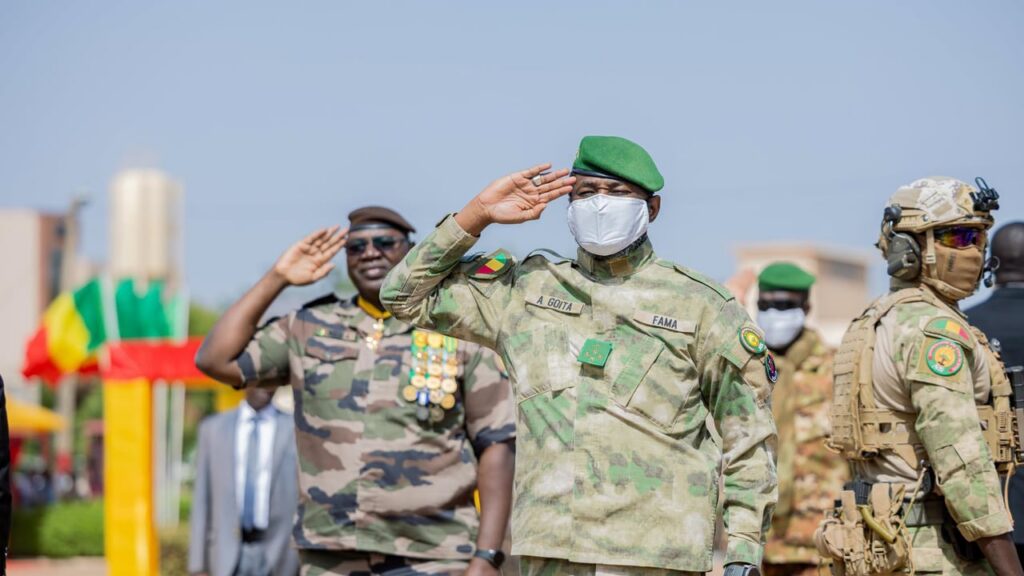
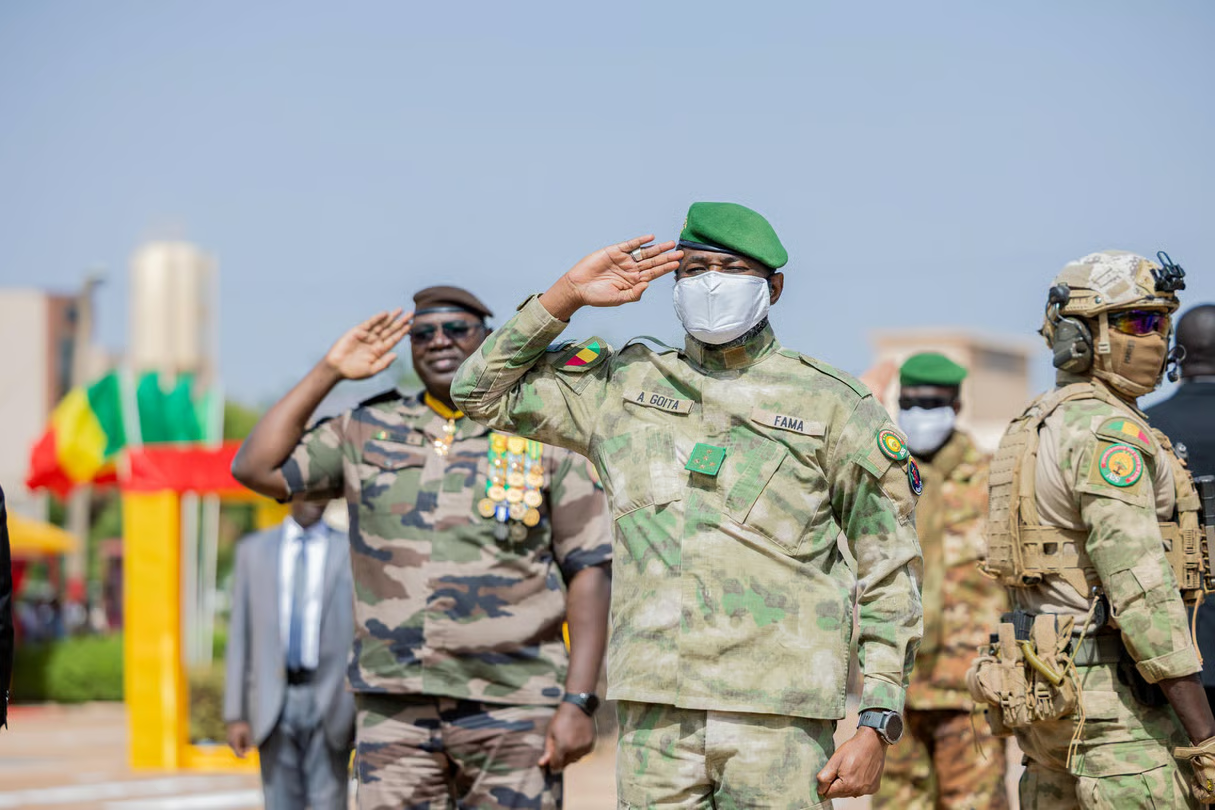
On October 13, 2026, Goïta stood before 2,400 newly trained soldiers in Bamako, their crisp uniforms a testament to a sweeping military recruitment drive. This unprecedented mobilization signals more than just an expansion of troop numbers—it reflects a deliberate shift in strategy. But can quantity alone counter the entrenched threat of militant groups?
The recruits represent a multifaceted approach: bolstering infantry units, reinforcing rural outposts, and deploying specialized forces to hotspots. Yet, questions persist. How will these raw recruits integrate with veteran units? Will morale and cohesion hold under pressure? And, crucially, how will Mali secure the resources to sustain this rapid expansion?
Public reaction: hope, skepticism, and rising tensions
The announcement of the military surge has sparked a heated national debate. In Bamako’s markets and rural villages alike, opinions are divided. Some citizens see it as a long-overdue move toward reclaiming control, while others warn of the risks—potential overstretch, logistical bottlenecks, even deeper societal fractures.
In the capital, social media is ablaze with discussions. Supporters laud Goïta’s decisive action, framing it as a necessary stand against chaos. Detractors, however, question the transparency of recruitment criteria and the government’s ability to manage such a bold initiative. Meanwhile, civil society groups are demanding clarity on how this expansion aligns with broader security and humanitarian goals.
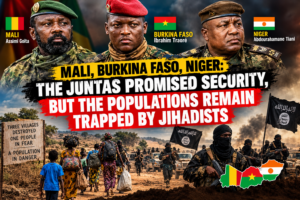
Analysts note a growing undercurrent of unease. The JNIM—a coalition of militant factions—has intensified attacks across central and northern Mali, forcing many to ask: Is this recruitment surge a sign of resilience, or a desperate gamble in the face of relentless pressure?
From training grounds to battlefields: what’s next for Mali’s forces?
For Goïta, the challenge now transcends recruitment. Deploying these forces effectively will require more than boots on the ground. It demands strategic coordination, robust intelligence networks, and partnerships with regional allies. Yet, skepticism lingers. Can Mali’s fragile infrastructure support sustained operations? How will the military address the attrition rates seen in recent years?
Reports from the field suggest mixed progress. While some units have shown improved operational readiness, others struggle with supply shortages and command inefficiencies. The stakes could not be higher. With militant factions regrouping and civilian casualties rising, the window for success is narrowing.
Goïta’s government faces a daunting task: balancing immediate security needs with long-term stability. The upcoming months will be pivotal. Will the new recruits prove resilient under fire? Or will Mali’s security landscape spiral further into turmoil?
Key challenges ahead for Goïta’s strategy
- Logistical strain: Rapid expansion risks overburdening supply chains, particularly in remote areas.
- Unity in diversity: Integrating diverse units while maintaining cohesion and discipline remains a critical hurdle.
- Civic trust: Winning public confidence is essential—without it, even the best-equipped forces may struggle to operate effectively.
- Regional dynamics: Mali’s ability to coordinate with neighboring nations will influence the broader fight against militant factions.
Mali’s future hangs in the balance
The coming weeks will reveal whether Goïta’s gamble pays off. One thing is certain: Mali cannot afford indecision. The costs of failure—human, economic, and political—are already mounting. As the nation watches, the outcome of this strategy will shape Mali’s trajectory for years to come.
Will Goïta’s bold moves rewrite Mali’s story, or will the cracks in his plan widen under pressure?