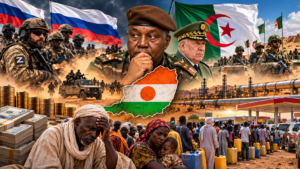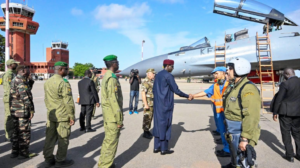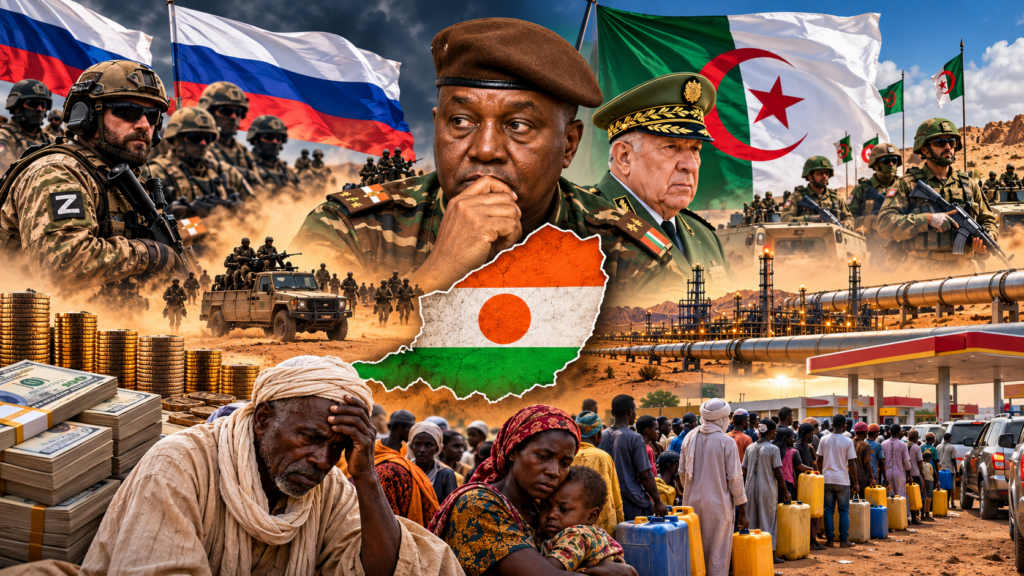
The general population in Niger faces mounting pressures as the government of General Abdourahamane Tiani abandons its initial reliance on Russian mercenaries and turns to neighboring Algeria for military support. The Algerian Parliament’s recent authorization to deploy units of its national army to Niger marks a significant shift in regional security dynamics, but the broader implications for citizens remain unclear. Citizens are left questioning whether this new partnership will address the country’s security crisis without shifting the financial burden onto already strained public resources.
Algeria’s military deployment: a strategic pivot with unanswered questions
On October 25, 2026, Algeria’s Parliament made a historic decision by approving the deployment of units from the Algerian National Popular Army (ANP) to Niger. This move represents a departure from Algeria’s traditionally cautious foreign military engagements and signals a new phase in bilateral cooperation. While official statements emphasize the protection of mutual interests and the implementation of bilateral agreements, critical details about the mission’s scope, operational goals, and financial arrangements remain undisclosed.
The motivation behind this rapprochement extends beyond rhetoric of national sovereignty. Analysts suggest that Algeria’s strategic interests particularly in energy security and infrastructure protection play a central role. The proposed trans-Saharan gas pipeline and ongoing oil exploration projects are cited as examples of shared economic stakes that could shape the terms of this military cooperation. Yet, the public remains in the dark about the full extent of these negotiations and their potential consequences.
Russian mercenaries: high costs, unmet expectations?
Since seizing power in July 2023, General Tiani has prioritized military cooperation with Russia, leveraging forces linked to Africa Corps as a cornerstone of Niger’s security strategy. However, the tangible outcomes of this partnership have drawn increasing skepticism. Despite financial commitments reportedly reaching up to $10,000 per mercenary per month, measurable improvements in security remain elusive. Questions persist about the distribution of these costs across Niger’s national budget and whether such expenditures align with the country’s pressing socio-economic needs.
The lack of publicly available contractual agreements or performance benchmarks complicates any assessment of the program’s value. Are these funds being allocated efficiently? What specific security gains have justified the expenditure? Without transparency, citizens are left to question whether military partnerships are truly serving national interests or merely sustaining a cycle of external dependency.
From Moscow to Algiers: what does Niger hope to achieve?
Unpacking the motivations behind the Algerian partnership
The transition from Russian to Algerian military support reflects a broader reassessment of Niger’s security strategy. While the government insists on national sovereignty, the need for external military assistance raises concerns about the sustainability and transparency of these alliances. What specific objectives does Niamey seek from Algeria? Is the cooperation limited to border security and infrastructure protection, or does it include a broader operational role? The absence of public clarity on these matters fuels speculation and underscores the need for accountability.
Algeria’s interests appear intertwined with economic considerations, particularly in the energy sector. The protection of oil fields, exploration sites, and energy transport corridors could serve dual purposes: safeguarding regional stability while advancing Algeria’s economic priorities. However, the extent to which these interests align with Niger’s security needs remains a point of contention. Will this cooperation prioritize the protection of critical infrastructure over the safety of rural communities and civilian populations?
Who pays the price? the financial burden of external military support
A critical concern is the financial strain that this new military alliance may impose on Niger’s already fragile economy. While the details of funding arrangements remain undisclosed, the potential costs including logistical support, troop deployment, and operational expenses could divert resources from essential public services. Will Algeria absorb these expenses, or will Niger bear the full financial weight? The lack of clarity on cost-sharing mechanisms amplifies anxieties about the long-term economic impact.
Citizens face the risk of indirect consequences: higher public debt, reduced allocations for education, healthcare, and infrastructure, and a deepening reliance on foreign partners. Without transparent disclosures, the public cannot assess whether the benefits of this cooperation outweigh its costs. The government’s obligation to justify such expenditures becomes even more pressing when weighed against the country’s developmental needs.
Transparency as a pillar of sovereignty
The Tiani regime has championed sovereignty as a cornerstone of its legitimacy, yet the frequent recourse to external military partnerships challenges this narrative. Sovereignty is not merely about rejecting old alliances or embracing new ones; it demands responsibility, transparency, and accountability. For citizens to trust their government’s security strategy, they must be fully informed about the terms, costs, and expected outcomes of these agreements.
If Russian support has failed to deliver tangible improvements in security, the government must acknowledge this and justify its pivot to Algeria. Likewise, if the new partnership entails significant financial commitments, the public deserves clarity on how these expenses will be managed and what benefits they will yield. A lack of transparency risks eroding public trust and shifting the burden of unresolved security challenges onto the shoulders of ordinary citizens.
Measuring success: security or rhetoric?
The true measure of this military cooperation will not lie in diplomatic statements or strategic announcements but in tangible outcomes. Will attacks on civilians decrease? Will rural communities feel safer? Will key infrastructure remain protected without compromising funding for social services? These questions demand concrete answers, not rhetorical assurances.
General Tiani’s strategy may involve diversifying military partnerships, but such maneuvers cannot substitute for an effective, homegrown security policy. The government must demonstrate that every alliance serves the ultimate goal of protecting its people and ensuring their well-being. If expenses continue to rise without corresponding improvements in security, it is the citizens who will bear the consequences directly or indirectly. The challenge for Niger’s leadership is to prove that this new chapter in military cooperation is not just a shift in alliances, but a step toward meaningful, accountable governance.
By Rose Njoya — Journalist