The year 2026 has marked a turning point in global education, as student uprisings in multiple countries expose deep-seated economic and systemic failures. From Europe to Africa and beyond, universities and high schools have become battlegrounds where frustrated youth demand accountability from governments failing to secure their future.
From Europe to Africa: Youth anger spills onto the streets
In 2026, the scale of student protests took many governments by surprise. In France, strikes paralyzed over a thousand high schools by October 1, as students protested overcrowded classrooms, teacher shortages, and crumbling infrastructure. While some demonstrations remained peaceful, others escalated into clashes with police, overshadowing the core issue: an education system unable to prepare the next generation for stable careers.
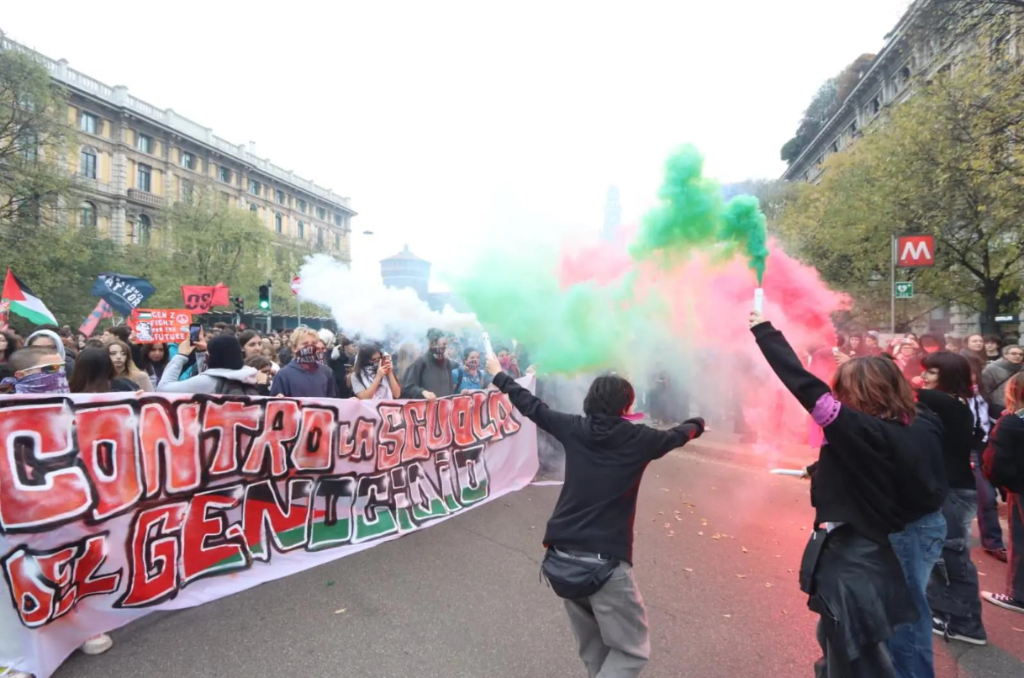
Across the Mediterranean, Italy saw thousands of students march on October 16 against policies perceived as marginalizing immigrant students and underfunding public schools. Violent incidents, including projectiles and fireworks, forced authorities to balance crowd control with addressing legitimate grievances. Meanwhile, Albanian students in Tirana burned buildings and clashed with police over unaffordable tuition fees and corruption scandals, further destabilizing the country’s economic outlook.
African universities caught in the crossfire of financial crises
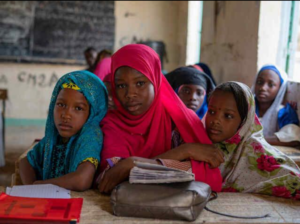
In Senegal, delays in scholarship payments at the University Cheikh-Anta-Diop in Dakar triggered a devastating crisis. Protests erupted when students, many of whom rely on these funds for survival, saw their education and livelihoods threatened. The tragic death of student Abdoulaye Ba in February 2026 underscored the human cost of bureaucratic neglect. Authorities’ response—temporary university closures—offered no long-term solutions, leaving the root problem unresolved.
Kenya’s higher education sector faced its own turmoil in October, as university teacher strikes disrupted classes at the University of Nairobi. Students, caught in the middle of a wage dispute between unions and the government, saw their academic progress stall. Similarly, in South Africa, protests at Rhodes University highlighted the financial barriers to re-enrollment, as students feared exclusion from education due to unpaid debts—a direct threat to the country’s skilled workforce.
The domino effect: How protests ricochet across continents
Argentina’s federal university march in mid-October demanded the enforcement of long-ignored funding laws, while Indonesian students protested in June against soaring living costs and fuel prices. Their actions reflect a broader pattern: when governments prioritize short-term fiscal policies over education, the consequences ripple through economies. The message is clear—youth are no longer willing to trade their futures for political inertia.
Governments grapple with repression vs. reform
National responses to the protests have varied wildly. Some governments deployed heavy-handed tactics—arrests, police crackdowns, and school closures—while others offered piecemeal concessions. However, isolated announcements or temporary funding injections fail to address the systemic rot. Students aren’t just demanding more resources; they’re challenging the very structures that have failed them, from corrupt leadership to unaffordable housing.
The challenge for states is twofold. First, they must restore order without trampling on democratic rights, especially when minors are involved. Second, they must translate protests into actionable change—ensuring timely scholarship payments, hiring qualified teachers, and upgrading facilities. Ignoring these demands risks deepening public distrust in institutions, with effects that could resonate for decades.
A generation’s ultimatum: Education or exclusion?
The 2026 student movements are more than a series of local disputes. They represent a global reckoning with the true cost of neglecting education. When universities become battlegrounds and diplomas no longer guarantee stability, the social contract frays. Governments must recognize that these protests are not mere disruptions—they are a demand for a fair shot at the future.
For now, the world watches as young people rewrite the rules of engagement with power. Their struggle is not just about better schools; it’s about reclaiming dignity, opportunity, and economic security in an increasingly unequal world.