In Bamako, Mali’s capital, a growing demand for fresh, locally sourced food is reshaping the way residents shop. For over a decade, the Réseau solidaire en agroécologie paysanne et citoyenne (Resapac) has championed a sustainable model that connects farmers directly with consumers, cutting out middlemen and ensuring fair prices for both parties.
How Resapac is transforming Mali’s food landscape
Resapac operates on three key pillars: producers, processors, and consumers. By fostering a transparent and collective governance model, the network prioritizes short supply chains, from farm to table, to promote eco-friendly, locally grown food. This approach not only benefits the environment but also strengthens the local economy.
The initiative empowers consumers to make informed choices. By purchasing through Resapac, shoppers gain full visibility into the origin and production methods of their food, reinforcing trust in the quality and integrity of each item.
From farm to table: the power of direct trade
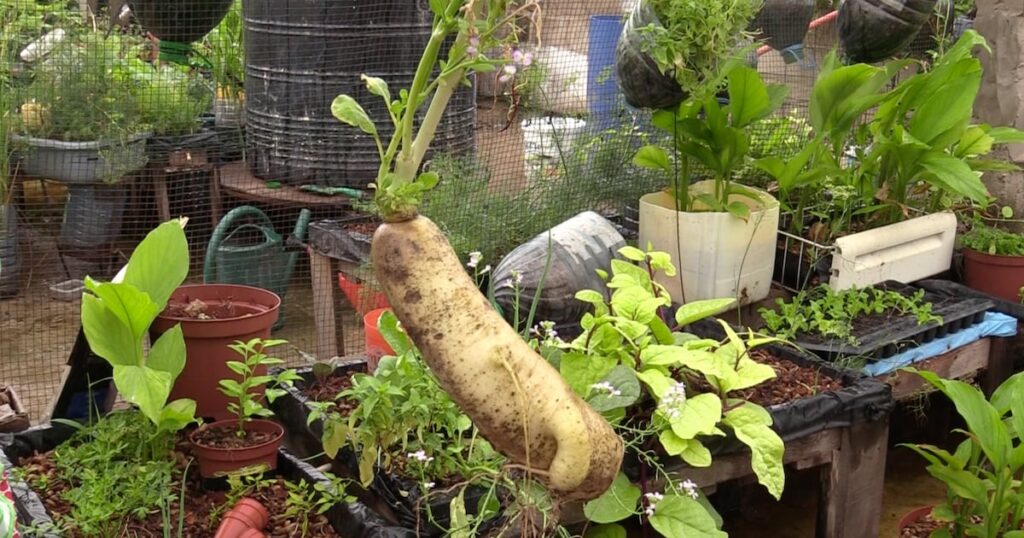
«When I joined Resapac, my produce reached more people, and my income grew,» shares Abdoulaye Sacko, a farmer and longtime member. His transition to organic farming—using only biological inputs and no chemical pesticides—has not only improved his livelihood but also aligned with consumer demand for healthier food options.
Sacko’s experience highlights how Resapac’s model bridges the gap between producers and shoppers. «The network simplifies the process, ensuring farmers are rewarded fairly while meeting the needs of urban buyers,» he explains.
Bamako’s expanding organic markets
What began as a single market stall in Sotuba has flourished into a network of four dedicated organic markets across Bamako: Sotuba, Badalabougou, Magnambougou, and Hippodrome. These hubs serve as vital links between rural producers and city dwellers, offering a reliable outlet for agroecological products.
Djènèba Diallo, coordinator of Resapac’s markets, reflects on the journey: «Our initial goal was to create a fair marketplace for agroecological farmers. Today, we’ve expanded to four locations, proving that sustainable food systems are not just possible—they’re thriving.»
Why shoppers are choosing organic
For consumers like Diallo, the benefits of organic markets are clear. «I first learned about Resapac through a colleague’s social media post. The idea of connecting directly with farmers resonated with me,» she recalls. Her shift to organic produce came after noticing the stark differences between conventional and eco-friendly items.
«Conventional fruits and vegetables spoil within 24 hours, while organic ones stay fresh longer. That’s a difference you can taste and feel,» she says. This tangible quality, combined with the ethical and environmental advantages, is driving more Bamako residents to embrace organic shopping.
A model for Mali’s sustainable future
Resapac’s success underscores a broader trend in Mali, where producers and consumers alike are prioritizing quality, fair trade, and environmental stewardship. By eliminating unnecessary intermediaries, the network ensures farmers receive their due while delivering healthier, more sustainable food to urban tables.
The result? A thriving ecosystem where everyone benefits—from the farmer’s field to the consumer’s plate.