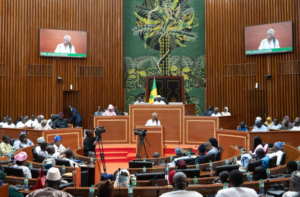
On the morning of October 24, 2026, 53 Afro-descendants from across the Americas and Europe stood in the Cotonou Judicial Complex to embrace a pivotal moment. By receiving their Beninese citizenship, they not only reconnected with ancestral roots but also unlocked a potential economic lifeline for one of West Africa’s fastest-growing economies. The question now on everyone’s mind: how will this historic gesture reshape Benin’s economic landscape?
From symbolic act to economic catalyst: what the new citizens bring to the table
While the conferment of citizenship marks a deeply symbolic reconnection with heritage, its real-world implications extend far beyond identity. The 53 new Beninese citizens—many of whom have built careers in the United States, Canada, the Caribbean, and Europe—arrive with assets rarely seen in domestic investment: global professional networks, transnational business experience, and financial resources ready to be deployed.
These resources could flow into several sectors primed for growth:
- Renewable energy: expertise in solar and wind technology could accelerate Benin’s transition from fossil fuels
- Agro-industrial transformation: modern processing techniques could raise the value of cassava, maize, and cashew crops
- Agricultural infrastructure: capital could upgrade storage, logistics, and irrigation systems
- Tech-enabled services: fintech, e-commerce, and digital platforms could expand financial inclusion
- Real estate and hospitality: investment in hotels and eco-lodges could boost tourism infrastructure
Yet the promise remains potential until policies turn intention into action.
Tourism of memory: bridging identity and revenue
Benin’s historical towns—Ouidah, Abomey, Porto-Novo—are already global symbols of the transatlantic slave trade. For Afro-descendants worldwide, these sites offer a pilgrimage of remembrance. In 2025, over 12,000 visitors from the Caribbean and North America traveled to Ouidah alone, contributing an estimated $3.4 million to local businesses.
With freshly minted citizenship, more Afro-descendants may now consider longer stays, family reunions, and multi-generational tours. Hotels, guides, artisans, and restaurateurs stand to gain—provided Benin curates compelling heritage itineraries and streamlines visa processes. A coordinated cultural calendar—festivals, oral history workshops, and genealogy retreats—could transform seasonal interest into year-round tourism income.
Skill bridges: how diaspora professionals can uplift local youth
Among the new citizens are architects, engineers, agronomists, and medical professionals. Their integration offers a rare chance to modernize Benin’s workforce without costly overseas training programs.
Opportunities already in motion include:
- Vocational partnerships: American-trained chefs collaborating with Beninese culinary schools to launch a national pastry certification
- Digital upskilling: Caribbean tech entrepreneurs mentoring university students in web development and cybersecurity
- Agricultural mentorship: Canadian farm consultants guiding young cooperatives in organic cocoa farming
- Research exchanges: joint projects between diaspora academics and Beninese universities on climate-resilient crops
The shared goal is clear: reduce youth unemployment—currently 28%—by channeling diaspora expertise into incubators and apprenticeships.
Trade lanes unlocked: Afro-descendant networks as export engines
Many new citizens hail from countries where Beninese products—cashews, shea butter, cotton textiles—are niche imports. Their citizenship could ease cross-border trade barriers, shorten supply chains, and open doors to premium markets.
Early signals of this shift are visible in the cashew sector. A diaspora-owned processing plant in Ouidah has already secured export contracts with European specialty food distributors, a deal brokered through a Jamaican investor who gained citizenship earlier this year.
If replicated across other value chains—textiles, palm oil, and arts—the arrangement could redirect millions in foreign currency from informal channels into formal, tax-paying enterprises.
From recognition to returns: the policy levers that will determine success
Citizenship alone does not guarantee investment. To convert symbolic gestures into measurable growth, Benin must implement targeted support:
- Investor facilitation centers: one-stop shops offering legal, financial, and logistical guidance for diaspora entrepreneurs
- Diaspora business visas: 5-year residency permits tied to job creation or export targets
- Cultural heritage bonds: government-backed loans for hospitality projects located within 20 km of UNESCO sites
- Performance dashboards: public portals tracking diaspora investments, job creation, and tax contributions in real time
Equally vital is ensuring that benefits reach local communities. Priority access to contracts, vocational training slots, and seed funding for cooperatives can prevent a top-down windfall that bypasses the people it intends to serve.
Sustainable dividends: when heritage meets prosperity
The 53 Afro-descendants who received citizenship in Cotonou are more than new Beninese—they are living bridges between past and future. Their success stories could draw hundreds more in the years ahead, turning a bold policy into a sustainable engine of growth.
As Benin nurtures this diaspora bridge, the world will watch whether a nation can harness history not just as memory, but as momentum for economic renewal.