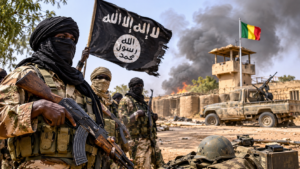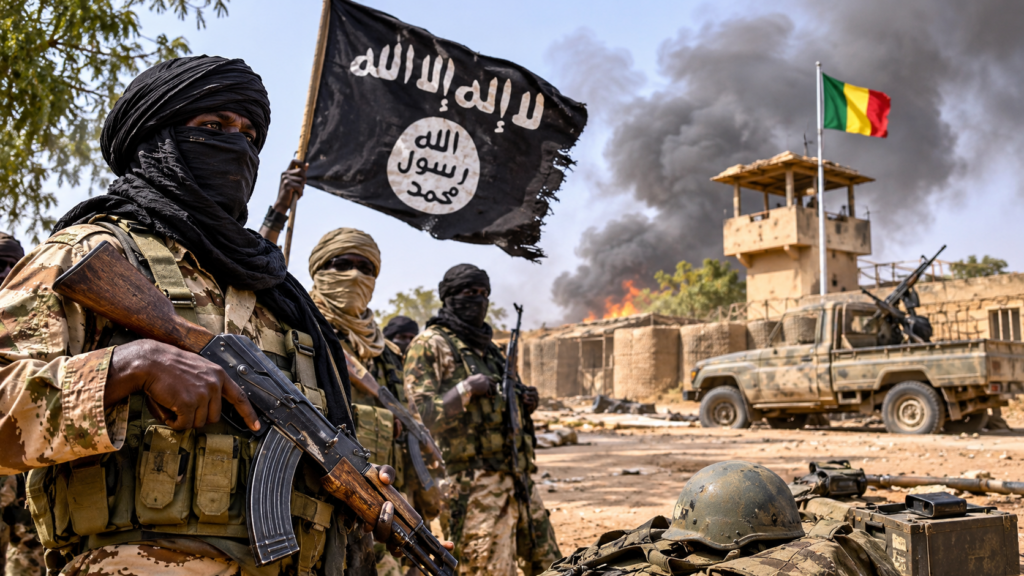
Mali’s central region of Mopti is facing mounting security challenges after a dawn assault claimed by the Jama’at Nusrat al-Islam wal Muslimin (JNIM) targeted a pro-government militia position near Bayman on October 31, 2026. The attack, which the group alleges resulted in the neutralization of several fighters and the seizure of the strategic outpost, underscores the growing vulnerabilities in the country’s counterterrorism efforts.
From claims to consequences: the human and strategic fallout
The JNIM’s statement, though unverified, paints a stark picture: the complete loss of a previously fortified position and the removal of enemy combatants. Yet behind these bold claims lies a broader crisis one where military setbacks are eroding public trust and destabilizing local communities.
While the death toll remains unconfirmed, the pattern of attacks suggests that Mali’s security apparatus is struggling to hold the line. The September 10 assault on Dioura, which reportedly killed over 100 Malian soldiers and five Russian paramilitaries with dozens more captured, serves as a grim reminder of the jihadist threat’s relentless nature. With each strike, the state’s ability to protect its citizens and military assets is increasingly called into question.
Alliances and illusions: can external support compensate for weaknesses on the ground?
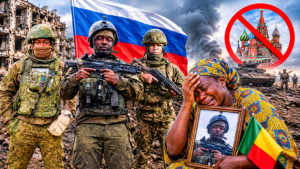
The Malian government’s partnership with Russian security forces has been a cornerstone of its counterterrorism strategy, touted as a force multiplier against insurgent groups. However, recent events challenge the narrative of progress. Official claims of 4,800 alleged terrorists neutralized and over 850 airstrikes carried out since May 2026 paint a picture of decisive action yet these numbers do little to mask the reality of persistent attacks on critical infrastructure.
Military cooperation, no matter how robust, cannot single-handedly reverse the tide of insecurity. The latest JNIM offensive in Mopti reveals a troubling pattern: even fortified positions are susceptible to rapid capture, and the human cost of these failures is borne by soldiers and civilians alike. The question now is whether Mali’s leaders can translate military partnerships into tangible security or if the country is sliding toward a deeper crisis.
A growing shadow over Bamako’s control
Beyond the immediate losses lies a more profound challenge: the erosion of state authority. Each attack on a militia-held position, whether in Bayman or elsewhere, chips away at the government’s credibility. The JNIM’s growing influence in central Mali is not just a military issue it is a political one. With local populations caught in the crossfire and displaced in rising numbers, the humanitarian toll is accelerating.
The fall of Bayman, if confirmed, would mark yet another strategic setback for forces allied with the transitional government. More critically, it would signal that the jihadist threat is evolving, adapting, and exploiting weaknesses faster than Mali’s security apparatus can respond. In a region where trust in state institutions is already fragile, such failures risk radicalizing communities and pushing them toward armed groups in search of protection.
What lies ahead for Mali’s embattled security strategy?
As the dust settles on the Bayman attack, three pressing questions demand answers:
Can Mali’s military partnerships whether with Russian forces or others deliver sustainable security? The contrast between official boasts of progress and the reality of repeated losses raises doubts about the effectiveness of these alliances.
How long can pro-government militias maintain their positions? The recent surge in attacks suggests that even well-defended outposts are vulnerable, leaving local populations exposed to shifting power dynamics.
What will be the human cost of continued insecurity? With civilians bearing the brunt of attacks, displacement and trauma are becoming defining features of life in central Mali.
The road ahead is uncertain. For Mali’s leaders, the task is clear: either adapt their strategy to the realities on the ground or risk losing ground literally and figuratively to groups that thrive in chaos.
By Georges Essomba — Journalist