
Key revelations from Colonel Otoulou’s testimony
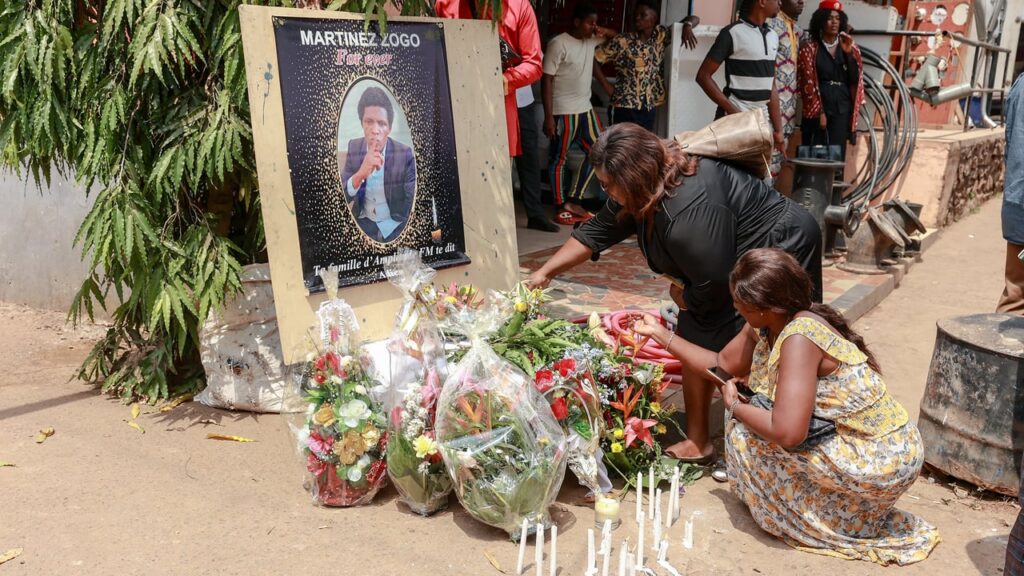
The ongoing court proceedings surrounding the tragic case of Martinez Zogo have taken a significant turn following the testimony of Colonel Otoulou. His statements have cast new light on the circumstances surrounding the journalist’s disappearance and subsequent death, sending shockwaves through Yaoundé’s legal and media circles.
Colonel Otoulou, a high-ranking officer in Cameroon’s security apparatus, provided detailed accounts that challenge previously held assumptions about the case. His revelations have intensified scrutiny of the investigation and raised serious questions about potential cover-ups within state institutions.
Military secrets and suppressed evidence
Among the most striking disclosures was Otoulou’s assertion that classified military documents were deliberately withheld from investigators. These materials, he claimed, could have expedited the case and provided critical insights into the motives behind Zogo’s abduction. The colonel’s claims suggest a deliberate obstruction of justice, implicating figures within the defense and security sectors.
The implications of his testimony extend beyond the courtroom. If verified, they could expose a coordinated effort to mislead authorities and obstruct the truth. Legal experts monitoring the trial describe Otoulou’s account as highly credible and warn that its ramifications may reverberate across Cameroon’s political landscape.
Public reaction and institutional fallout
Yaoundé’s civil society has reacted with a mix of outrage and cautious optimism. Protests erupted outside the courthouse following the colonel’s statements, with demonstrators demanding transparency and accountability. Human rights organizations have called for an independent inquiry, citing concerns over the integrity of the judicial process.
Within government circles, the testimony has triggered internal tensions. Whispers of a potential purge within the military’s upper echelons have surfaced, as officials scramble to contain the fallout. The case has become a litmus test for President Paul Biya’s administration, testing its commitment to reform amid mounting public pressure.
What happens next?
The trial is poised to enter a decisive phase as judges weigh Otoulou’s testimony against existing evidence. Legal analysts anticipate further dramatic testimonies, particularly from mid-level security personnel who may hold key pieces of the puzzle. Meanwhile, the government faces mounting calls to recuse investigators linked to the original botched inquiry.
The outcome of this case will not only determine justice for Martinez Zogo but could also redefine Cameroon’s approach to press freedom and state accountability. For now, the nation watches as the truth slowly unfolds, one revelation at a time.