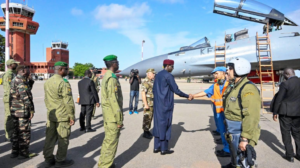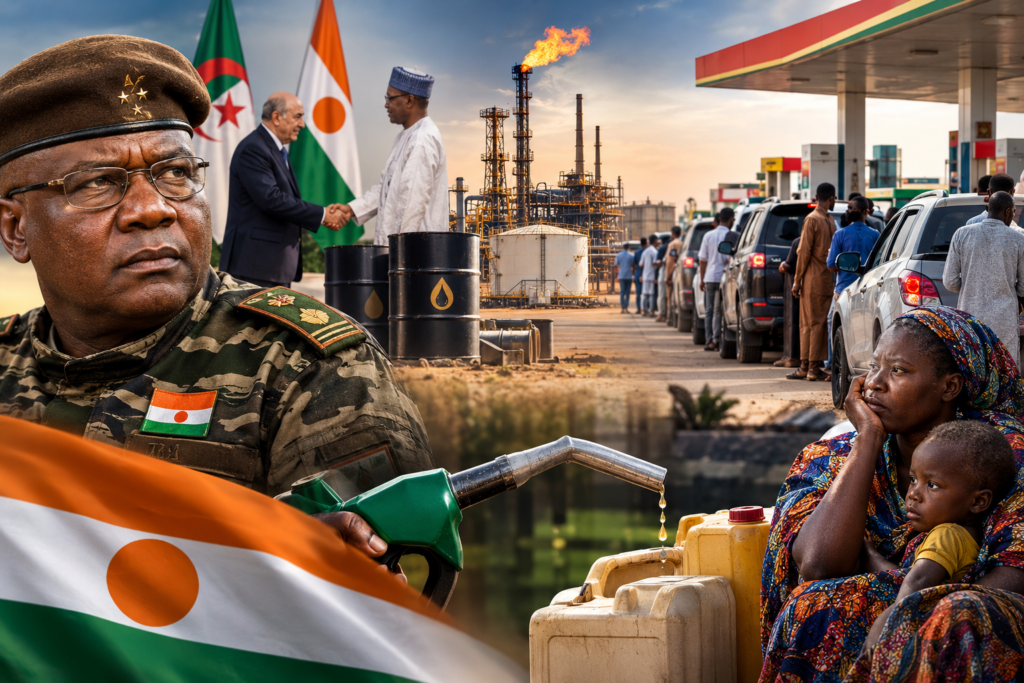
The recent security pact between Niger and Algeria has drawn attention to a pressing domestic issue: despite its status as an oil-producing nation, Niger continues to grapple with persistent fuel shortages that disrupt daily life, commerce, and economic stability. The paradox is stark how can a country rich in petroleum resources face chronic supply shortages that leave its citizens stranded?
The consequences of this imbalance are far-reaching. Long queues at petrol stations, stalled transportation networks, and crippled small businesses reveal the tangible impact on ordinary Nigeriens. The scarcity of fuel doesn’t just inconvenience drivers it undermines the very fabric of the nation’s economy, from farmers unable to transport goods to market to entrepreneurs forced to halt operations. The human and economic toll is undeniable.
Where does Niger’s oil go?
The core of the crisis lies not in production but in distribution and control. While Niger extracts and processes crude oil, the benefits of these resources remain elusive for its population. Critical questions demand answers: What portion of the extracted oil is allocated for domestic use? How much is exported, and under what terms? Are the refining, storage, and distribution systems adequately serving the country’s needs? Transparency in these areas is non-negotiable if the government hopes to address public skepticism.
The role of foreign partnerships
As Niger strengthens ties with international partners, particularly in the security sector, scrutiny over these relationships intensifies. The growing influence of external actors, such as Russia, in the Sahel raises concerns about the economic and strategic terms of these engagements. While security cooperation may address immediate threats, it cannot substitute for sound energy policies or accountable resource management. The focus must remain on ensuring that such partnerships ultimately serve Niger’s long-term stability and prosperity.
A call for accountability and action
The demand for transparency is more urgent than ever. If Niger’s leadership claims sovereignty over its natural resources, it must prove this sovereignty delivers measurable benefits consistent fuel supplies, fair pricing, and clear accounting of oil revenues. The recent security agreement with Algeria, while significant, does not absolve the government of its responsibility to resolve the fuel crisis at home. Sovereignty is not measured by the number of treaties signed but by the tangible improvements in the lives of citizens.
For many Nigeriens, the question is simple yet profound: What good is oil wealth if it fails to secure basic necessities like fuel? Until the gaps in the petroleum supply chain are addressed, and until the nation’s resources are harnessed for the collective good, the promise of economic independence will ring hollow. The time has come for Niger to confront the shadowy aspects of its oil industry, assign accountability for the shortages, and prioritize the needs of its people above all else.
By Rose Njoya — Journalist