When educational ambitions collide with military conflict
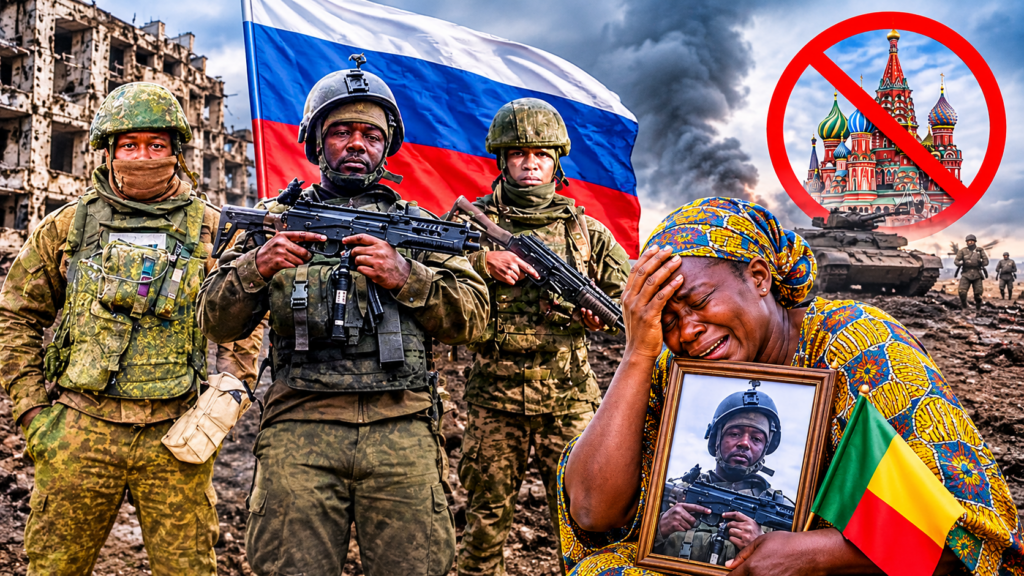
A young man from Benin set out for Russia with dreams of academic achievement and professional advancement. Instead, his journey ended tragically on the battlefields of Ukraine. His story is not an isolated incident but a stark reminder of the dangers facing African students who pursue education abroad during wartime. The war in Ukraine has revealed a disturbing pattern of foreign nationals, including African students, being drawn into military conflict under circumstances that remain unclear.
From classrooms to combat zones: how did this happen?
The circumstances surrounding this student’s involvement in the war raise critical questions. Was he recruited, and if so, under what conditions? Did financial pressures or misleading promises play a role in his decision to join the conflict? Families who invest their savings in a child’s education expect safety and opportunity, not exposure to war. Yet reports from multiple sources confirm that foreign students in Russia have been subjected to recruitment tactics that blur the line between academic pursuits and military service.
Such recruitment often begins with seemingly harmless job offers or financial incentives. Students, already struggling with the challenges of living abroad language barriers, cultural differences, and economic hardship may find themselves in positions where refusal is not an option. The consequences of such coercion are irreversible: once engaged in military operations, foreign nationals face grave risks, including injury, captivity, or death.
The vulnerabilities of African students abroad
Students from Africa are particularly susceptible to exploitation due to their reliance on intermediaries for housing, visa processing, and employment. These intermediaries often act as gatekeepers, controlling access to essential resources and creating dependencies that make students vulnerable to pressure. When a student’s livelihood is tied to the goodwill of these third parties, the line between a legitimate job offer and military conscription becomes dangerously thin.
Financial desperation: Many African students finance their education through loans or family savings. Without stable income sources, they may accept risky employment offers to sustain themselves.
Administrative dependence: International students often rely on local sponsors or agencies to navigate visa requirements and residency laws, leaving them powerless to challenge exploitative contracts.
Cultural isolation: The language barrier and unfamiliarity with local laws can prevent students from recognizing red flags in recruitment practices.
Rising concerns for families and governments
The death of this Beninese student has prompted urgent discussions among African governments and families. How can parents ensure their children’s safety when pursuing education abroad? What safeguards can be implemented to prevent students from being lured into military service? Consular authorities must play a proactive role in disseminating accurate information about travel risks, residency requirements, and foreign recruitment laws.
Prospective students and their families should conduct thorough research before committing to any study-abroad program. Key considerations include:
The legitimacy of the educational institution and its enrollment procedures.
The specific terms of the student visa and any work restrictions.
The transparency of financial agreements, including tuition fees and living expenses.
The reputation of intermediaries or agencies facilitating the student’s stay.
Failure to verify these details can result in life-altering consequences. No scholarship or career promise is worth the risk of becoming ensnared in a wartime conflict.
A call for transparency and accountability
The tragic fate of this young man underscores the need for systemic changes in how African students are recruited and protected. Educational institutions, recruitment agencies, and host governments must prioritize transparency and ethical practices. Students should be provided with clear, accessible documentation outlining their rights, obligations, and the realities of living in a war-torn country.
African nations must also strengthen consular support for their citizens abroad. This includes:
Establishing hotlines for students to report suspicious recruitment practices.
Issuing travel advisories that highlight the risks of military conscription.
Collaborating with international organizations to monitor and counteract exploitative labor practices.
For the student community, the message is clear: diligence is non-negotiable. Before embarking on an educational journey, verify every claim, question every offer, and seek independent advice. Your safety and your future depend on it.
A shattered dream that demands justice
The loss of this student is a human tragedy that extends beyond borders. It is a loss for his family, for his community, and for the continent that invested in his potential. While the full details of his involvement in the war may never be known, his story serves as a warning to others who dream of studying abroad.
The allure of Russian education scholarships, technical training, and international exposure should not come at the cost of a young person’s life. As African governments and families reckon with this reality, the priority must be to prevent future tragedies. No student should have to choose between their education and their safety. The dream of academic achievement must not be overshadowed by the horrors of war.
By Georges Essomba — Journalist