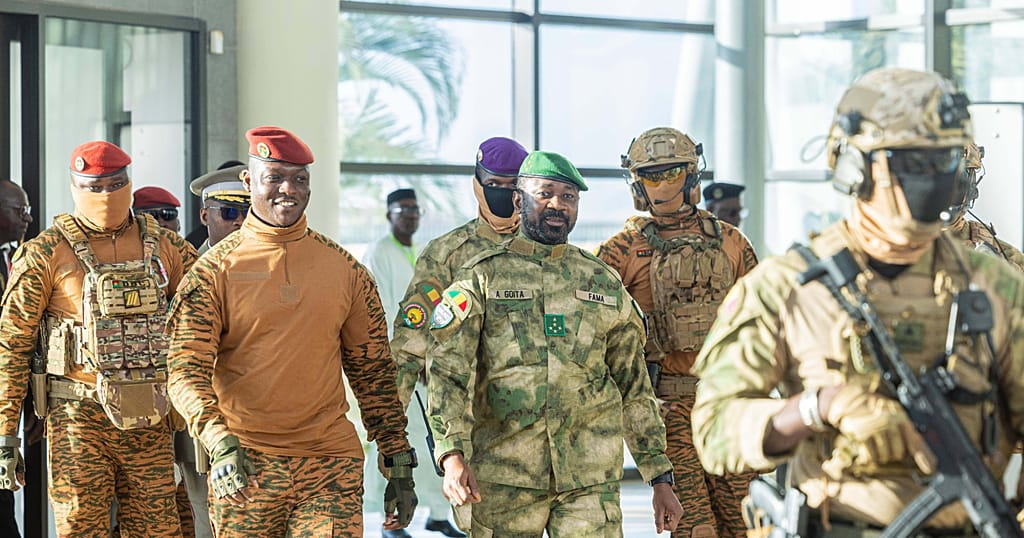
Following the April 25 attacks in Bamako, a fragile calm has settled over the Malian capital. The Malian Armed Forces have now detailed their findings from these violent events, which resulted in the death of General Sadio Camara, a key figure in the military regime.
During a press briefing, military officials revealed a meticulously planned attempt on the lives of top government figures, including transitional President Assimi Goïta. According to the armed forces, multiple suicide vehicles were deployed in the operation. Commander Djibrila Maiga, Deputy Director of Public Relations for the military, emphasized the gravity of the situation: This carefully orchestrated scheme was designed to take the lives of our leaders, he stated.
In neighboring Burkina Faso, the National Council of Communication has taken decisive action by suspending the broadcast of TV5Monde. Authorities accuse the French-language channel of glorifying terrorist acts and undermining Mali’s institutional stability.
Public reactions in Ouagadougou
Opinions in Ouagadougou remain divided over the decision. Some citizens, like Flore Guigma, support it wholeheartedly: We cannot allow those who promote terrorism to broadcast their messages in Burkina Faso.
Others, however, criticize what they perceive as a biased approach to Sahelian nations. Serge Théophile Bancé, a local resident, remarked: I’ve stopped watching these channels. There’s a clear sense of condescension in how they cover our region.
Media freedom concerns raised
International press freedom advocates have also weighed in. Reporters Without Borders condemned the suspension, calling it an opaque decision that further restricts media space in the country. Since Captain Ibrahim Traoré assumed leadership, several international outlets—including Le Monde, LCI, and BBC News—have faced broadcasting bans.