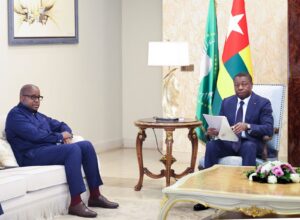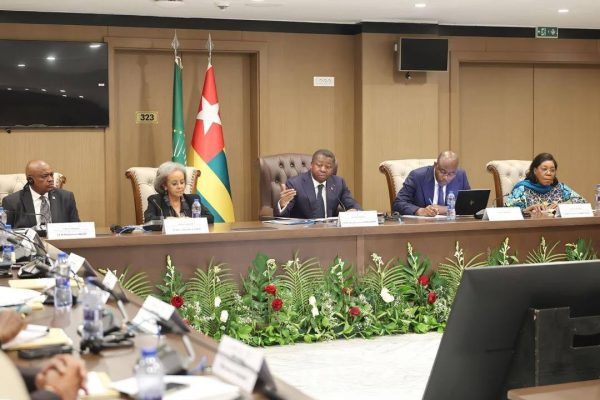
On Monday, June 8, 2026, Lomé served as the backdrop for a critical high-level summit focused on African mediation regarding the ongoing instability in the eastern République démocratique du Congo (RDC) and the broader Great Lakes region. Under the leadership of Faure Essozimna Gnassingbé, the African Union’s designated mediator, the gathering centered on a vital objective: streamlining and harmonizing the various peace initiatives that currently remain fragmented.
The assembly brought together AU-appointed facilitators alongside representatives from the UN, EAC, ECCAS, SADC, ICGLR, and the ICRC. This diverse presence underscores the intricate nature of a conflict where regional frameworks, institutional mandates, and parallel diplomatic tracks frequently overlap.
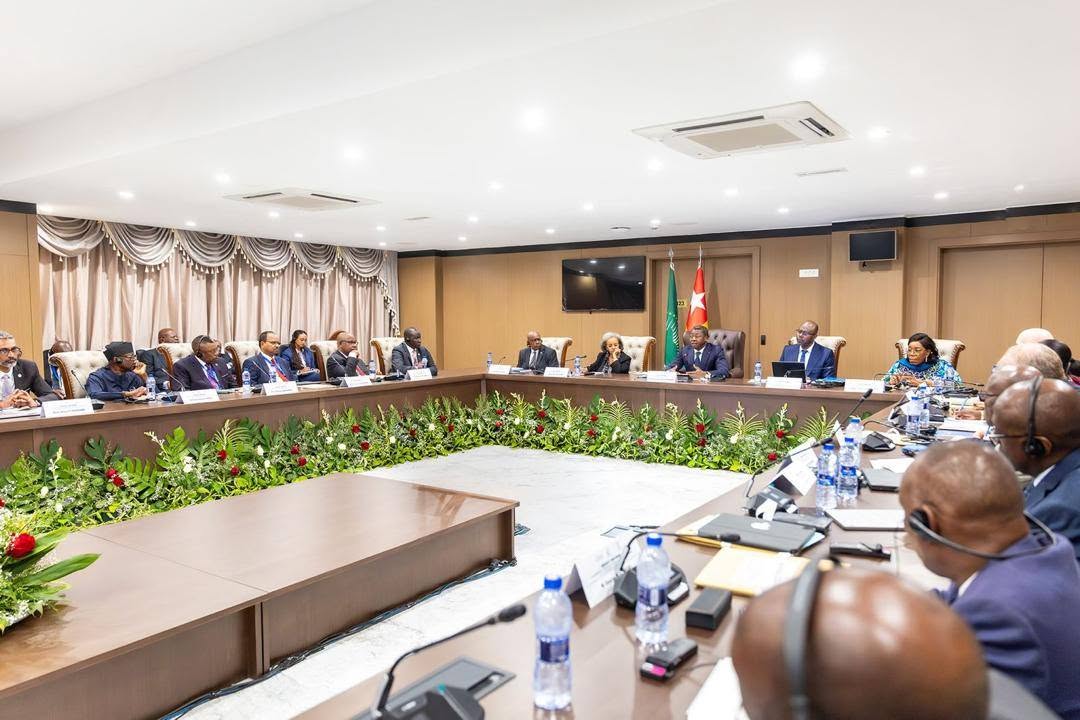
Structuring the path to peace
This biannual meeting follows the groundwork established during discussions held in Lomé last January. At that time, participants prioritized the coherence of the mediation framework and the consolidation of the peace process.
Faure Gnassingbé noted that significant strides have been made since the start of the year, particularly in the internal organization of the mediation architecture. For the mediator, the goal is no longer simply to launch new initiatives, but to ensure existing ones are transparent, unified, and capable of delivering real results on the ground.
This strategy directly addresses a common pitfall in long-term crises: the over-saturation of uncoordinated actors, which often dilutes the impact of diplomatic efforts. In Lomé, the clear priority was to bring order to this complex process.
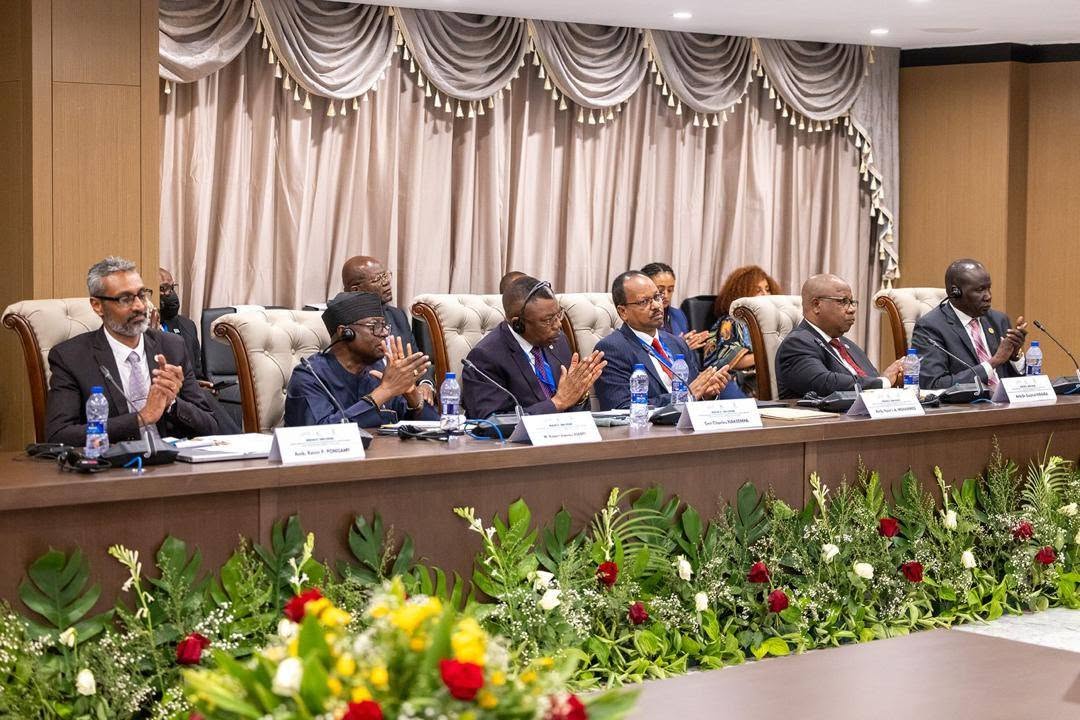
The commitment to African-led dialogue
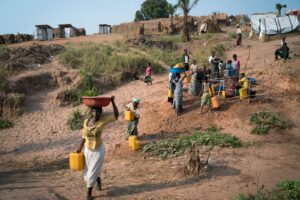
The African Union mediator reaffirmed his dedication to the mission, despite the persistent challenges. He emphasized the importance of sustained collective action to ensure stability in eastern Congo, where ongoing violence and armed tensions continue to devastate civilian populations.
By placing inclusive dialogue at the heart of his strategy, Faure Gnassingbé is championing a distinct diplomatic path: prioritizing African solutions through African mechanisms, while maintaining essential links with international efforts. This approach seeks to eliminate redundancies and bolster the credibility of the entire peace process.
Stakeholders at the meeting praised this leadership, noting that it helps rebuild trust among various parties and aligns disparate strategies. For these actors, the success of the mediation depends on a transparent structure, clearly defined roles, and the rigorous monitoring of all commitments.
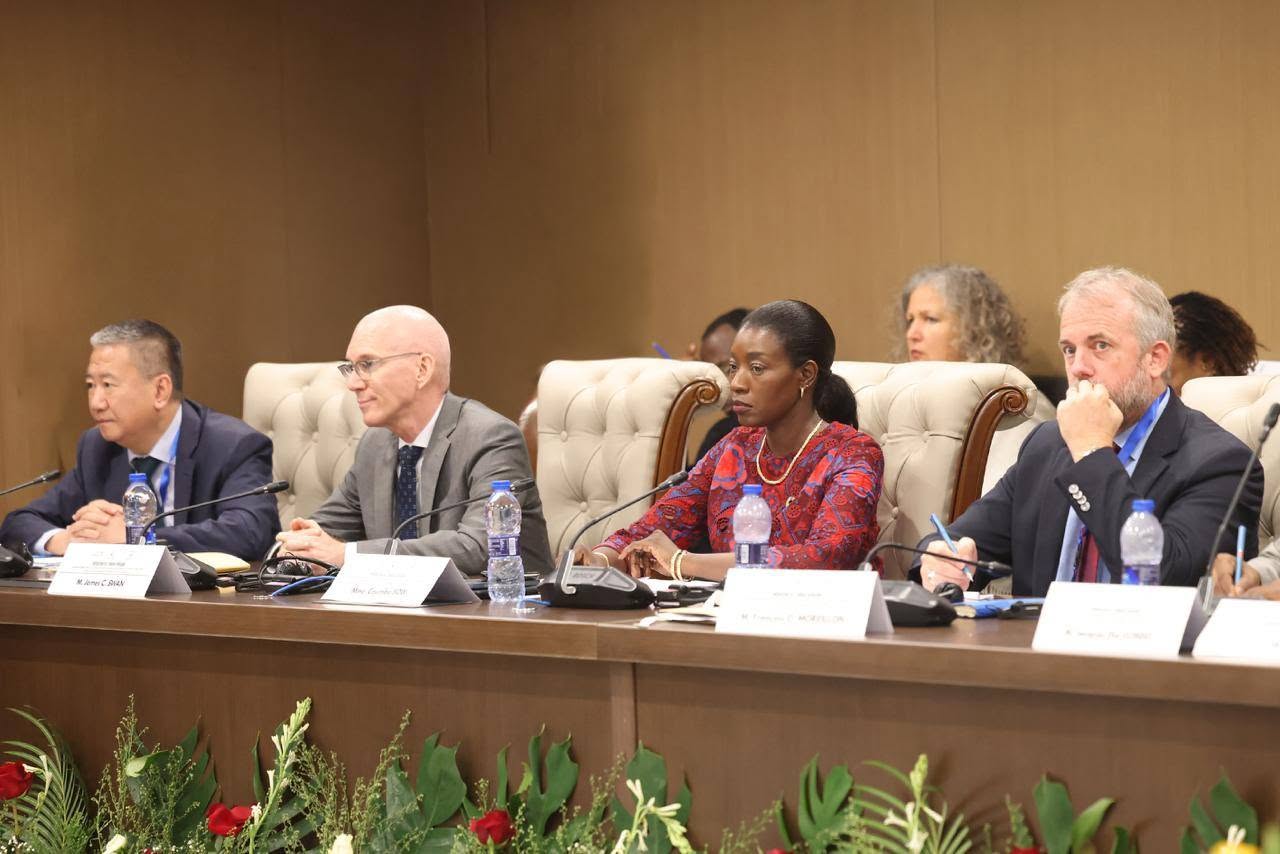
Key resolutions for the coming months
The Lomé summit resulted in several practical directives. Participants agreed to tighten coordination between the Mediator’s Office, the facilitator panel, the African Union Commission, and the Independent Joint Secretariat.
Furthermore, they highlighted the need to develop a more structured African contribution to the Washington and Doha processes. The aim is to ensure regional stakeholders take greater ownership of these initiatives and facilitate their local implementation.
In the same vein, involved nations and organizations were urged to increase their cooperation, adhering to the roles established by the framework adopted in Lomé on January 17, 2026. An operational action plan is expected to be finalized within fifteen days to turn these strategic goals into concrete actions.
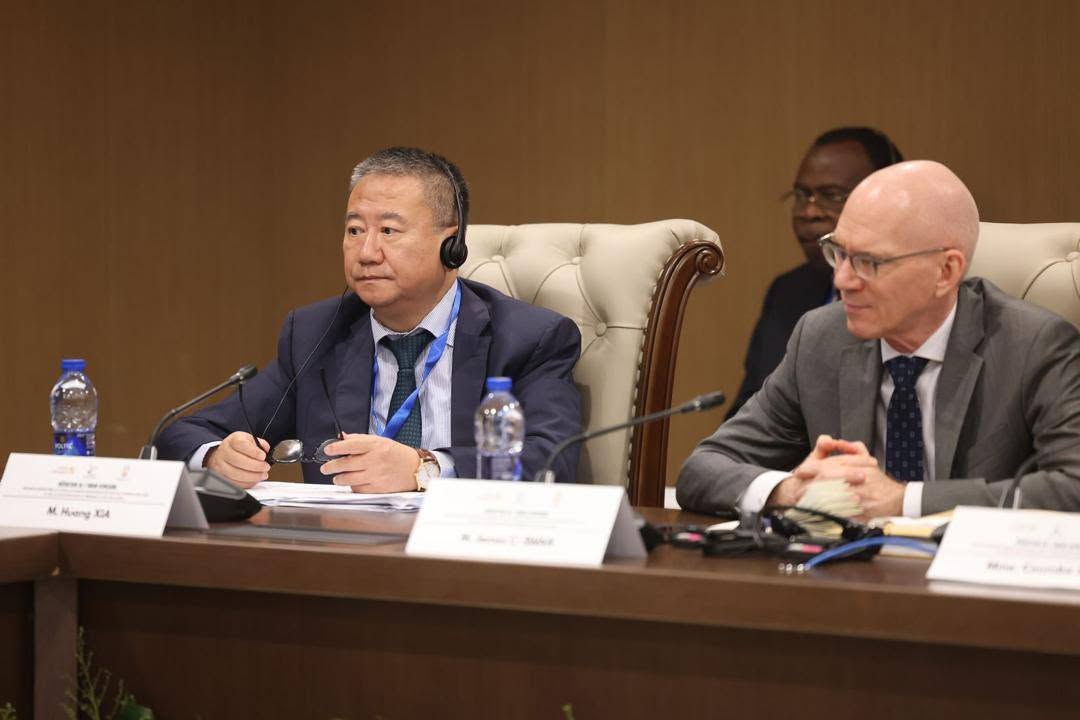
Lomé as a diplomatic pillar
Ultimately, this meeting solidifies Lomé’s growing influence as a diplomatic hub for the Congolese crisis. Togo is increasingly becoming the preferred venue for high-level dialogue concerning peace in the Great Lakes region.
The remaining question is whether this push for coordination will yield tangible results on the ground. In such a protracted and volatile crisis, the true value of mediation is found not in its declarations, but in its power to keep all parties engaged and moving toward a shared roadmap.