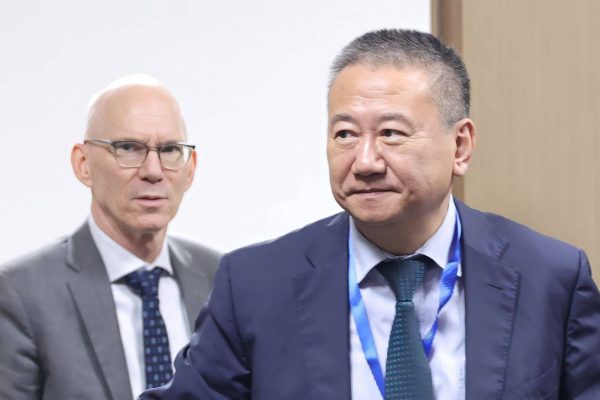
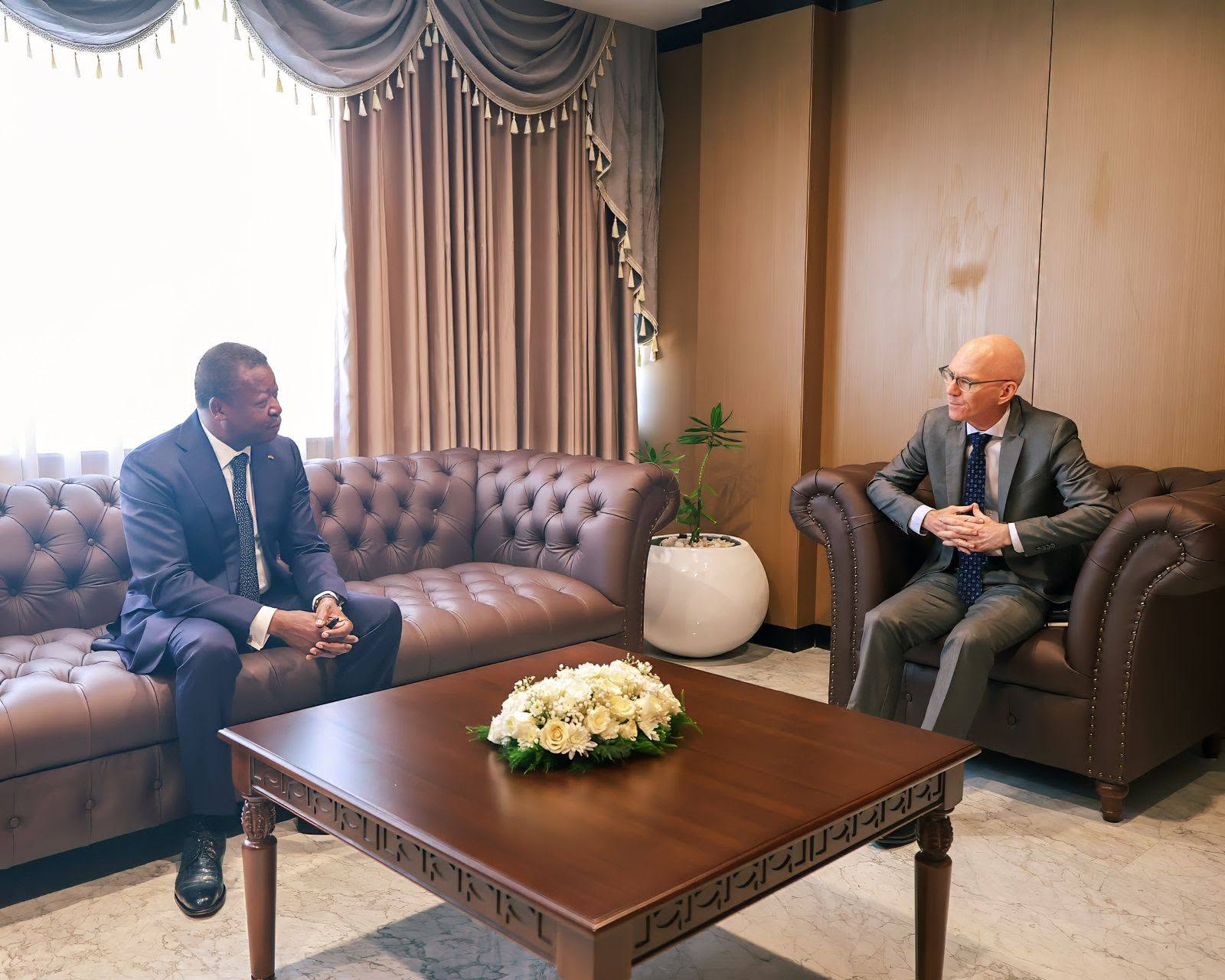
President Faure Essozimna Gnassingbé held high-level talks this Monday, June 8, 2026, in Lomé with two prominent United Nations officials focused on resolving the ongoing conflict in the eastern Democratic Republic of the Congo (RDC). The meeting included James Swan, the UN Secretary-General’s Special Representative for the RDC and head of MONUSCO, and Huang Xia, the Special Envoy for the Great Lakes region. This diplomatic encounter serves as part of the biannual monitoring of the African Union’s mediation efforts.
Aligning diplomatic strategies
The core of the discussions centered on the progress of current diplomatic initiatives and the specific role the United Nations plays in supporting African-led mediation. In the capital of Togo, the officials reviewed strategies to bridge political divides and sustain a dialogue framework for this volatile security and political issue.
The simultaneous presence of UN envoys alongside the African Union’s designated mediator highlights a growing necessity: resolving the crisis in eastern RDC requires seamless coordination between African leaders and international partners. Within this framework, Lomé is positioning itself as a vital center for diplomatic convergence.
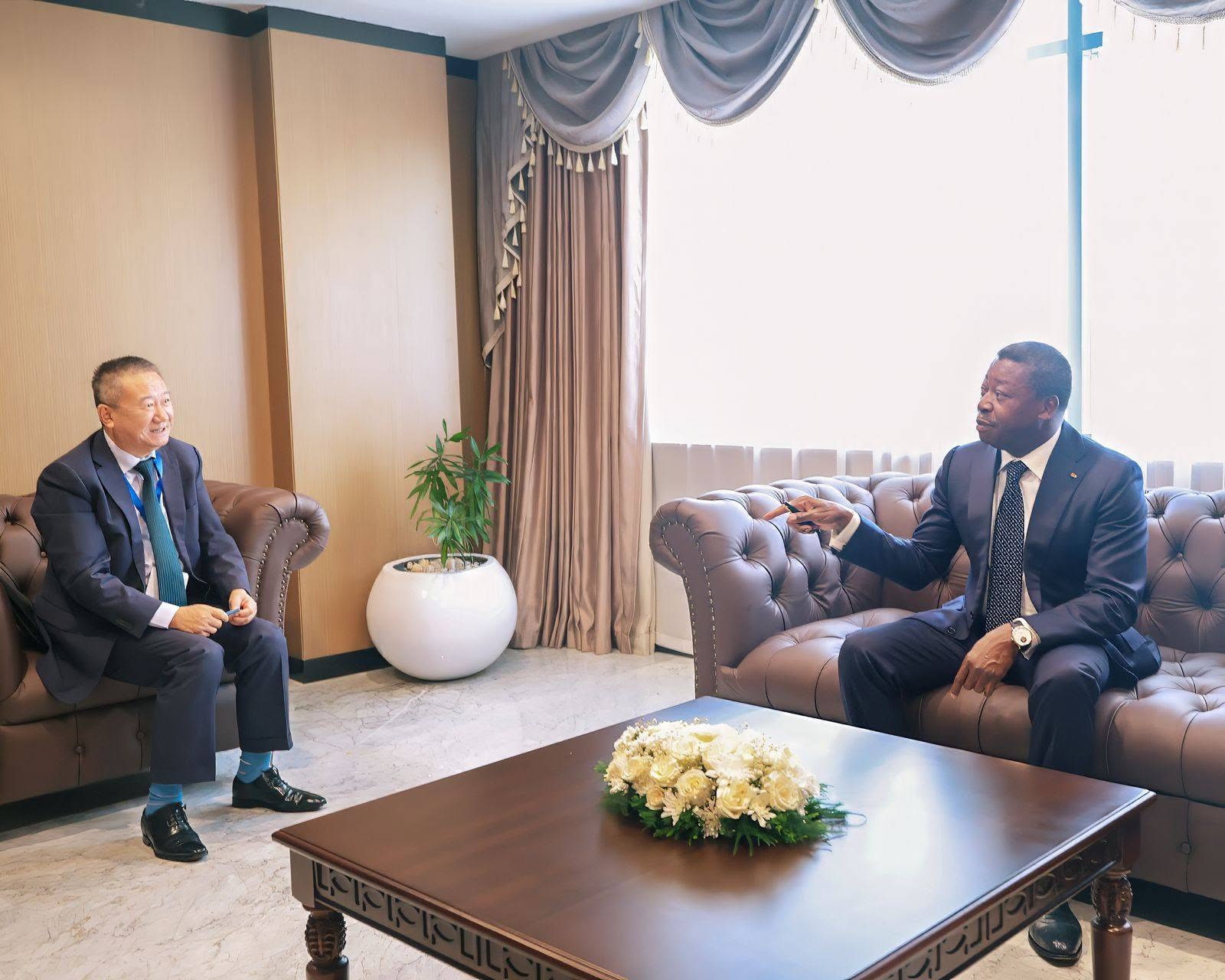
Togo strengthens its regional influence
During the meeting, the UN representatives commended Togo’s steadfast dedication to peace and stability across the continent. They reiterated their commitment to supporting the efforts led by Faure Gnassingbé to achieve a balanced and lasting resolution to the conflict.
This endorsement underscores the international interest in the “Togolese approach,” which is characterized by consistent consultation, diplomatic discretion, and the pursuit of consensus among all stakeholders. For Togo, the objective is to leverage this recognition into tangible influence over the Great Lakes regional dynamics.
The importance of unified action
While consultations between African mediators and the UN are not a new development, they have gained critical importance due to the persistent violence in eastern Congo. Both parties aim to maintain a unified front to prevent the fragmentation of peace initiatives.
This strategy addresses a clear requirement: a high volume of initiatives is only effective if they are properly aligned. By hosting these UN envoys, Faure Gnassingbé is working to solidify a more coherent diplomatic architecture that brings together regional and global actors toward a common goal.
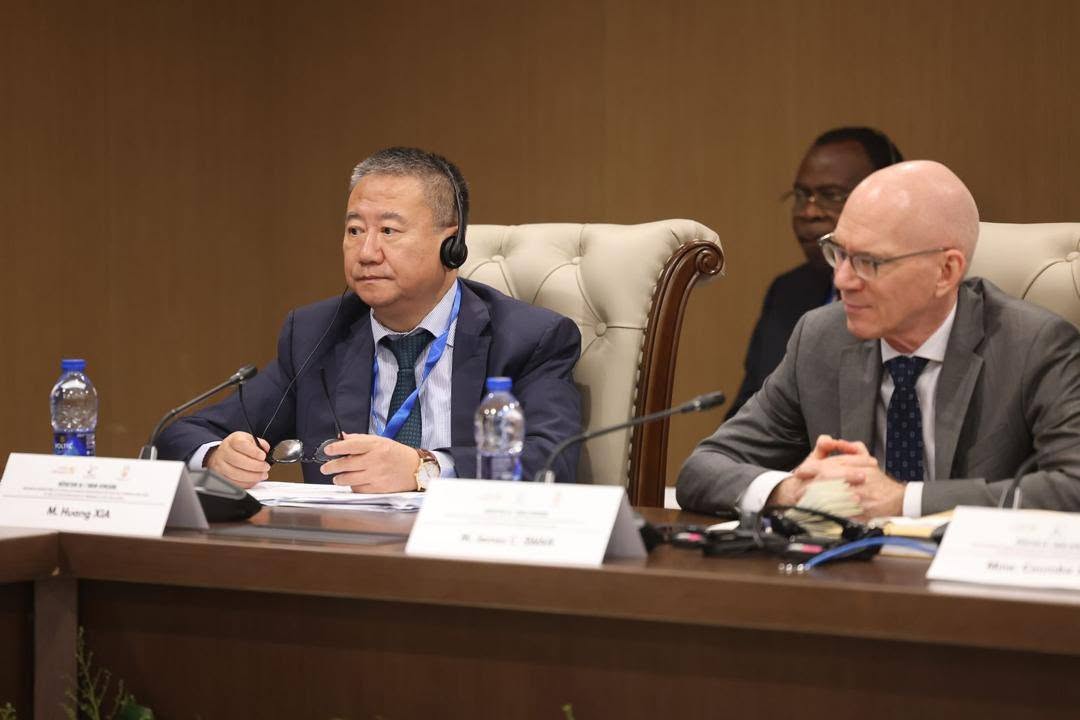
Lomé as a diplomatic platform
Ultimately, the meeting reinforces Lomé’s role as a primary venue for dialogue regarding the Congolese crisis. Togo, which frequently hosts consultations related to African mediation, intends to use this visibility to find political solutions to regional conflicts.
The question remains whether this improved coordination between the African Union and the United Nations will result in concrete progress. In a long-standing and intricate crisis, the success of mediation is measured by its ability to keep stakeholders committed and to gradually improve the prospects for a permanent peace agreement.