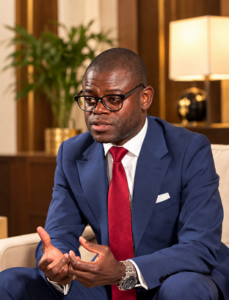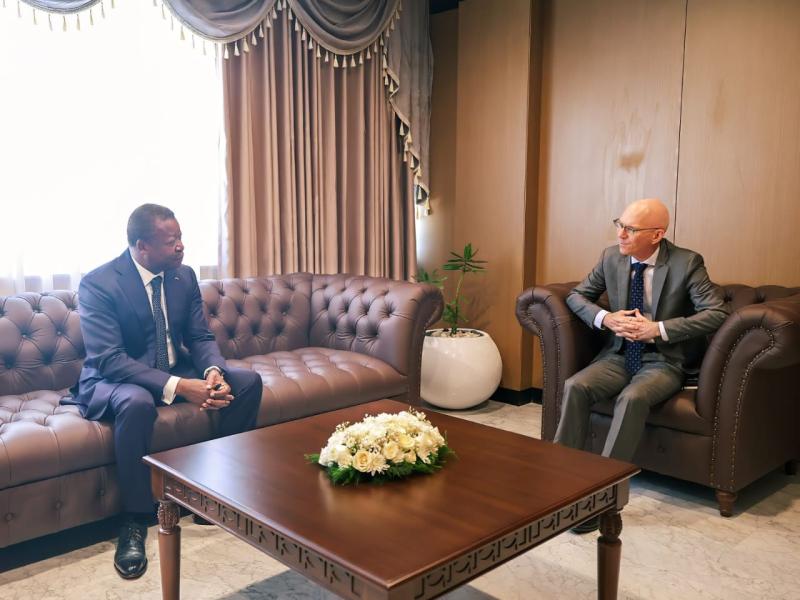
In a significant diplomatic meeting held in Lomé, the United Nations has once again signaled its full support for the mediation efforts led by the Togolese presidency to resolve the ongoing conflict in the eastern Democratic Republic of the Congo (RDC). James Swan, the UN Special Representative for the RDC, and Huang Xia, the Special Envoy for the Great Lakes region, were received by President Faure Essozimna Gnassingbé to evaluate the progress of peace initiatives.
The discussions centered on the current state of diplomatic channels and the specific ways the United Nations can reinforce the mediation framework established by the African Union. As the designated mediator, Faure Essozimna Gnassingbé is working to find a sustainable and equitable resolution to a crisis that has long destabilized the region.
A collaborative approach to regional stability
The high-level visit coincided with a biannual review of the African Union’s mediation activities. During the talks, the UN representatives expressed their appreciation for Togo’s proactive stance in fostering peace and stability throughout Africa. They emphasized their readiness to collaborate closely with the Togolese leader to ensure a coordinated international response to the humanitarian and security challenges in the RDC.
President Faure Essozimna Gnassingbé, who assumed this mediation role following the tenure of Angolan President João Lourenço, has been intensifying consultations with global partners. The goal is to align various peace processes and bridge the gap between diplomatic discussions and the reality on the ground.
Persistent security hurdles
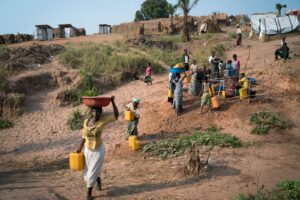
Despite these high-level diplomatic efforts, the situation in the eastern RDC remains precarious. Security and humanitarian conditions have continued to decline, even with the existence of frameworks like the Washington Agreement. A major obstacle remains the deep-seated mistrust between regional stakeholders and a perceived lack of political will to implement existing commitments.
The rebellion led by the AFC/M23, which Kinshasa maintains is supported by Rwanda, continues to be a focal point of the crisis. While international actors such as the United States and Qatar have attempted to facilitate breakthroughs, the implementation of peace accords remains stalled. Different interpretations of these agreements by the involved parties have made real progress difficult to achieve.
Stalled negotiations and the way forward
Similar difficulties have plagued the Doha process. Despite multiple rounds of talks, the Congolese government and the AFC/M23 rebellion have not reached a consensus on fundamental issues. Earlier hopes that negotiations in Montreux, Switzerland, would provide a fresh spark have largely faded as those commitments went unfulfilled. Furthermore, shifting global attention toward other international conflicts has inadvertently slowed the momentum of Great Lakes mediation, leaving the peace process in a fragile state.