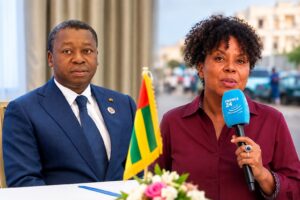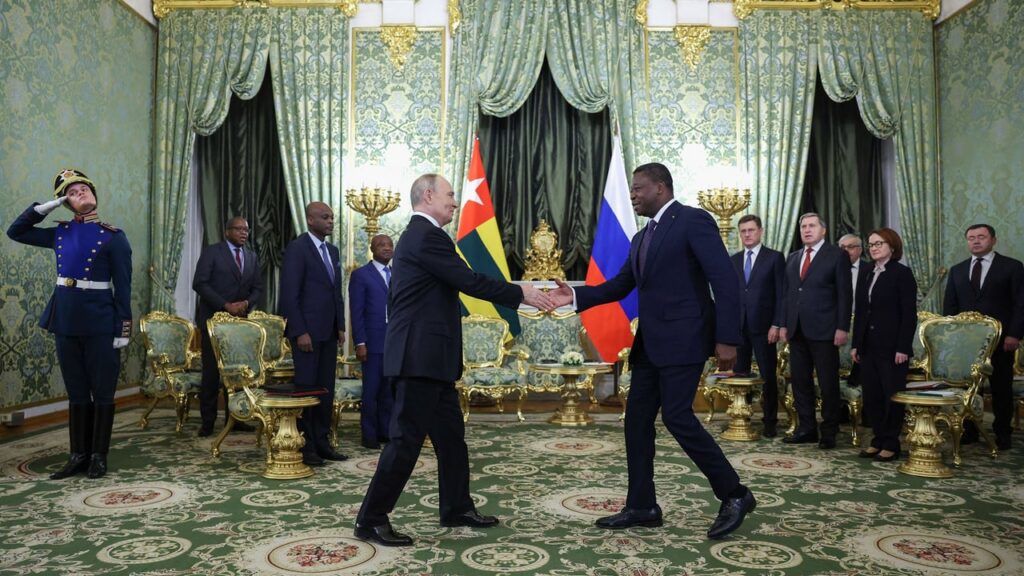
In a bold strategic shift, Togo is quietly expanding its defense alliances with international partners to counter rising jihadist threats across the Sahel. Recent reports confirm Lomé has entered into discreet agreements with both the Russian-led Africa Corps and Turkey, marking a significant departure from its traditional security partnerships.
The move comes as Togo faces increasing pressure from Islamist militant groups operating near its northern borders. While the country has long relied on regional and Western support, the emergence of new security threats has prompted a reassessment of its military strategy. Faure Gnassingbé, the country’s long-serving president, is now pursuing a more diversified approach to regional security.
Lomé’s secret security partnerships
For years, Togo has operated under the radar, developing a low-profile counterterrorism framework. However, the past 18 months have seen a noticeable shift, with Lomé actively seeking military and logistical support from both Russia and Turkey.
Turkey has played a key role in bolstering Togo’s aerial defense capabilities, providing advanced surveillance and reconnaissance tools. Meanwhile, Russia’s Africa Corps, a shadowy paramilitary unit, has reportedly established a presence on Togolese soil, offering specialized training and equipment to local forces.
Why these alliances matter
The growing collaboration between Togo and foreign security actors reflects a broader trend in West Africa, where traditional partners—such as France and the United States—are being joined by new players. For Togo, the shift is not just about enhancing military readiness; it’s also a calculated move to diversify its diplomatic and economic relationships.
Analysts suggest that Faure Gnassingbé’s government is keen to reduce dependence on former colonial powers while securing additional security guarantees. The move could also signal a broader realignment in regional security dynamics, particularly as jihadist groups continue to exploit instability in neighboring Burkina Faso and Niger.
Challenges and controversies
While the new partnerships may strengthen Togo’s defense posture, they also raise questions about transparency and accountability. Critics argue that deepening ties with Russia could expose the country to geopolitical risks, particularly in light of the Kremlin’s controversial military engagements in Africa.
Similarly, the secretive nature of these agreements has sparked speculation about the long-term implications for regional stability. Some security analysts warn that increased foreign military presence could inadvertently fuel local grievances or spark unintended confrontations.
Looking ahead
As Togo navigates this evolving security landscape, the success of its new alliances will depend on careful implementation and sustained public trust. For now, Faure Gnassingbé remains committed to a multi-pronged approach, balancing international cooperation with domestic stability.
One thing is clear: the shifting security calculus in West Africa is forcing governments to rethink their strategies—and Togo is no exception.
Key takeaways
- Togo is quietly expanding defense ties with Russia and Turkey amid rising jihadist threats.
- Faure Gnassingbé seeks to diversify security partnerships beyond traditional Western allies.
- The move reflects broader regional trends as West African nations reassess their security alliances.
- Critics raise concerns over transparency and potential geopolitical risks.