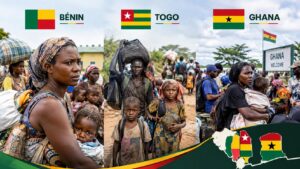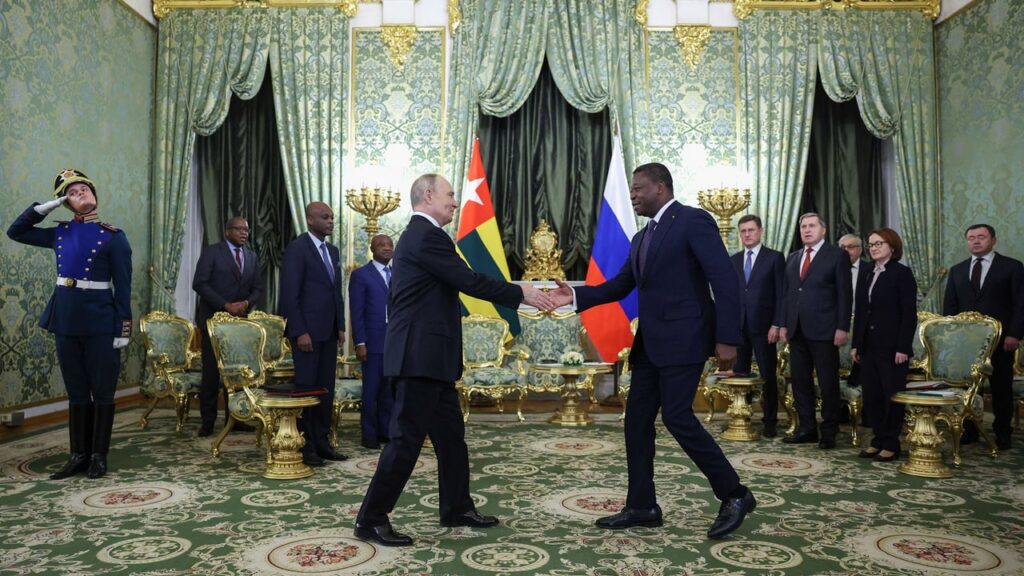
In a strategic shift to bolster its security framework, Togo has quietly forged new alliances with key international actors, including Russia and its Africa Corps, as well as Turkey. These partnerships come at a critical time, with the West African nation confronting escalating threats from jihadist groups operating across the Sahel region.
From covert cooperation to open defense agreements
Lomé’s engagement with Moscow and Ankara reflects a deliberate pivot in its foreign policy, aimed at securing military support to neutralize insurgent activities near its northern borders. Observers note that while these collaborations were initially conducted discreetly, they have since evolved into more formalized defense arrangements, particularly with the Africa Corps making a notable entry into the region in 2025.
Turkey, in contrast, has been a long-standing partner for Togo, providing aerial and logistical assistance through a series of confidential agreements. These efforts are part of a broader counterterrorism strategy that includes intelligence-sharing and joint training exercises with Turkish forces.
The role of Africa Corps in Togo’s security equation
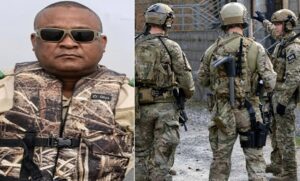
The Africa Corps, a Russian-led military initiative, has emerged as a significant player in Togo’s security calculus. Since its deployment in the region, the group has offered specialized training, equipment, and advisory support to Togolese armed forces. Analysts suggest that this collaboration is designed to fill critical gaps in Togo’s defense capabilities, particularly in countering the spread of jihadist ideology and armed factions from neighboring countries.
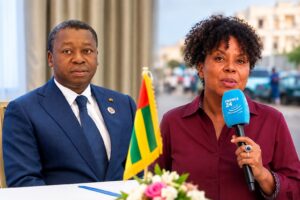
President Faure Gnassingbé has positioned himself at the helm of this strategic realignment, emphasizing the need for robust regional security mechanisms. Under his leadership, Lomé has actively sought to diversify its defense partnerships, reducing reliance on traditional Western allies while embracing new opportunities for cooperation with non-Western powers.
Challenges and geopolitical implications
While these alliances provide Togo with immediate security benefits, they also introduce complex geopolitical dynamics. The country’s growing ties with Russia and Africa Corps, in particular, have drawn scrutiny from international observers, who question the long-term implications of such partnerships. Critics argue that deeper engagement with Moscow could complicate Togo’s relationships with Western nations and regional blocs like the Economic Community of West African States (ECOWAS).
Nevertheless, proponents of the strategy contend that the benefits—enhanced military readiness and expanded operational capabilities—outweigh the risks. By leveraging its newfound partnerships, Togo aims to safeguard its sovereignty while contributing to broader efforts to stabilize the Sahel.
Looking ahead: securing Togo’s future
As Togo continues to navigate an increasingly volatile security landscape, the role of its international partners will remain pivotal. The Africa Corps’ presence, alongside ongoing cooperation with Turkey, signals a new chapter in the country’s defense strategy—one that prioritizes self-reliance and proactive engagement with global actors beyond its traditional spheres.
For now, Lomé remains focused on consolidating these alliances, ensuring that its security apparatus is equipped to handle emerging threats while maintaining stability along its borders.