The Senegalese government and teams from the International Monetary Fund (IMF) have successfully reached a staff-level agreement for a comprehensive 36-month program under the Extended Credit Facility (ECF). This significant support, valued at nearly 2.2 billion US dollars (approximately 1,229 billion FCFA), is designed to restore the nation’s fiscal viability while simultaneously fostering growth within the private sector.
A fresh infusion of financial resources is now on the horizon for the Senegalese state treasury. Authorities in Dakar and the IMF have finalized a technical understanding to bolster the country’s economic trajectory throughout the 2026-2029 period.
An economy buoyed by hydrocarbon dynamics
Despite a challenging financial landscape, Senegal’s macroeconomic indicators demonstrate the national economy’s robust resilience:
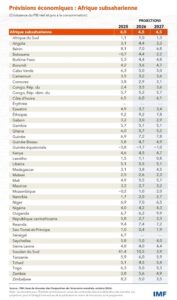
A projected growth of 6.7 % in 2025, primarily fueled by the increasing momentum of petroleum production.
A rebound in non-hydrocarbon GDP to 4.7 % during the first quarter of 2026, driven by strong household consumption.
Inflation expertly managed at 1.4 %, effectively safeguarding the purchasing power of households.

Focus on fiscal discipline and social equity
The three-year program outlines the activation of several crucial mechanisms:
Boosting domestic revenue generation to lessen reliance on external borrowing.
Strengthening governance frameworks and enhancing budgetary transparency.
Upholding social safety nets to shield the most vulnerable segments of the population from economic adjustments.
However, the definitive approval and subsequent disbursement of these funds remain contingent upon validation by the IMF’s Executive Board, the successful implementation of specified corrective measures, and the securing of financing guarantees from Dakar’s international partners.