

Sénégal: experts et économistes cherchent des «alternatives» au FMI pour régler la dette
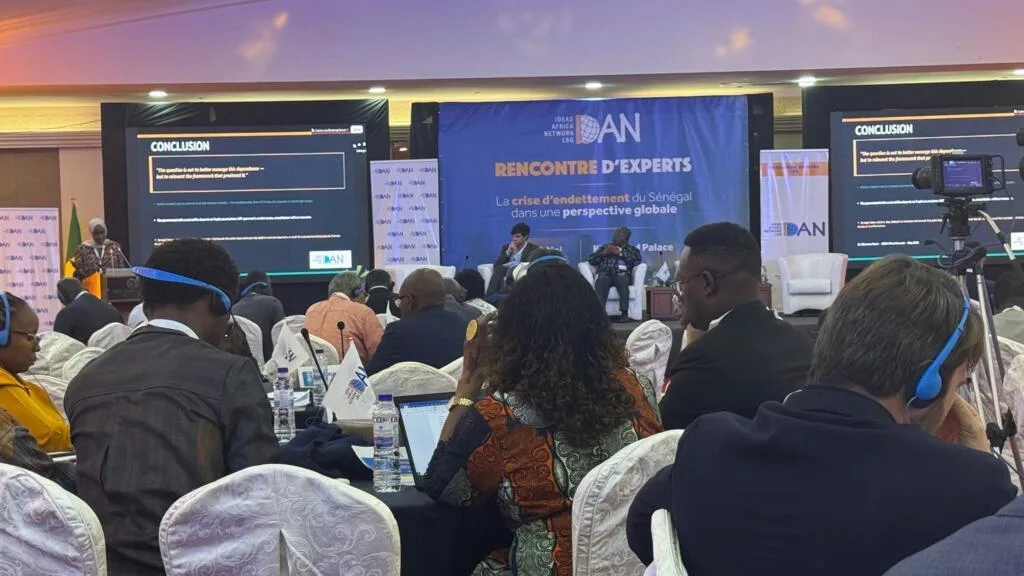
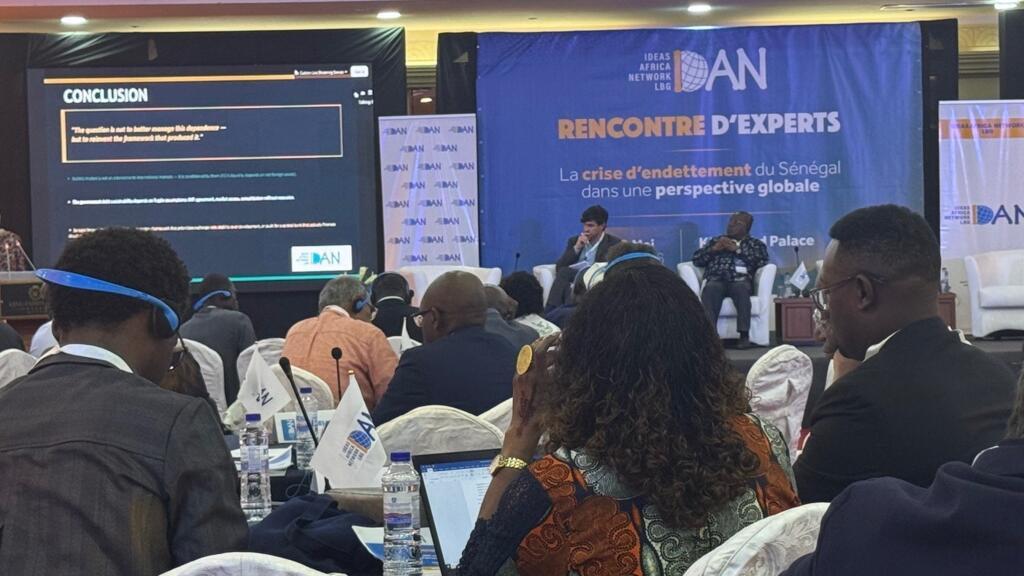
A significant conference addressing Senegal’s escalating debt crisis recently took place in Dakar. While Prime Minister Ousmane Sonko was slated to preside over the opening, he was unable to attend due to illness, with Justice Minister Yacine Fall confirming his absence.
In his stead, Ayib Daffé, who serves as the parliamentary group president for the ruling Pastef party (Patriotes africains du Sénégal pour le travail, l’éthique et la fraternité), emphasized the urgent need to “broaden perspectives” and move “beyond conventional thinking.” This statement clearly signaled a departure from the International Monetary Fund (FMI)’s standard proposal for debt restructuring, which involves renegotiating loan terms when repayment becomes unfeasible – an option explicitly rejected by Dakar.
The imperative for alternative debt solutions
Economists participating in the conference unanimously asserted that Senegal’s external debt is unsustainable, a position that contrasts with previous official statements. They underscored the critical need for prompt solutions. Economist Souleymane Bah highlighted that the nation’s current state revenues are insufficient to cover both the principal and interest payments owed to foreign creditors.
“The state’s current income simply cannot service the principal and interest,” Bah explained. “Typically, for this external debt, the practice has been to borrow more to repay existing loans. With interest rates continuously climbing, this is clearly not a viable long-term strategy. We absolutely need to explore other alternatives.“
This exploration of alternative solutions forms the core objective of the conference, organized by the Ideas Africa Network think tank, which contends that the IMF’s proposals fall short of providing effective remedies.
Ndongo Samba Sylla, a researcher and economist with Ideas Africa Network, criticized the IMF’s approach, stating, “The IMF’s methodology runs counter to genuine economic transformation. It’s a purely accounting-driven, pro-creditor stance. The IMF is inclined to lend you money so you can signal your capacity for future borrowing and repaying creditors, but not to foster investment in structural economic change.“
Among the proposed strategies discussed were reforming the monetary system, potentially withdrawing from the Franc CFA, and advocating for the cancellation of a portion of the debt deemed “illegitimate” due to its opaque contracting by the previous administration without proper declaration.
However, this pursuit of non-IMF solutions by experts in Dakar, under the nominal patronage of Prime Minister Ousmane Sonko, presents a potential contradiction. Simultaneously, President Bassirou Diomaye Faye was in Nairobi, Kenya, engaging in discussions with IMF Director Kristalina Georgieva, though these meetings reportedly yielded no substantial breakthroughs at present.