refugee women in Chad face violence and healthcare shortages amid Sudan conflict
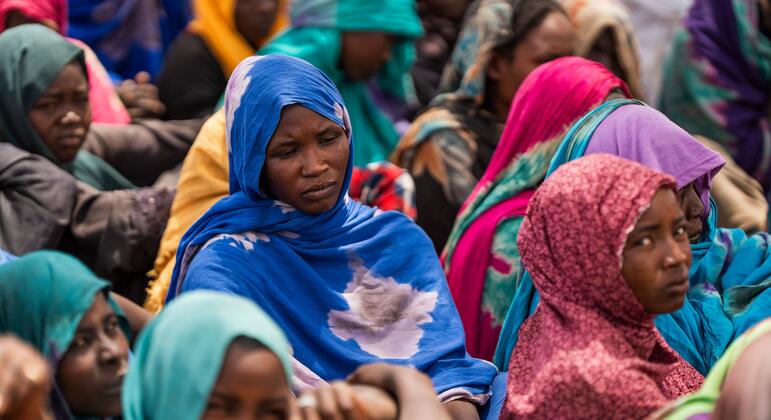
Chad is experiencing a growing humanitarian crisis as more than 1.3 million refugees and returnees—primarily women and children—seek safety in a country already struggling with poverty and an underfunded healthcare system. This alarming situation was highlighted following a weeklong assessment mission in the eastern regions of the country.
humanitarian pressures mount in eastern Chad
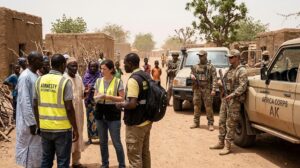
During a visit to key locations such as Abéché, Adré in the Ouaddaï province, and the Iridimi refugee camp—over 1,000 kilometers from the capital, N’Djamena—Andrew Saberton, Deputy Executive Director of the United Nations Population Fund (UNFPA) for management, observed firsthand the devastating impact of the neighboring Sudan conflict on displaced women and girls. The influx of refugees has placed immense strain on Chad’s already fragile infrastructure, particularly in health and protection services.
In Adré, near the Sudanese border, Saberton toured an UNFPA-supported center where refugee women shared harrowing accounts of violence they face when leaving the camps to gather firewood. The risks are severe: harassment, physical assault, and sexual violence make the simple act of collecting firewood a dangerous endeavor. One woman’s testimony revealed how the fear of violence overshadows every aspect of daily life, forcing many to limit their movements outside protected areas.
resilience amid adversity
Despite the overwhelming challenges, Saberton commended the strength and determination of the women supported by these centers. Through psychosocial support, vocational training, and income-generating activities, they are rebuilding their lives with dignity. These programs not only provide critical resources but also foster a sense of community and hope.
In Abéché, Saberton met a young woman who survived obstetric fistula—a devastating childbirth injury. Married at just 15, she endured three days of labor without medical assistance during her first pregnancy, resulting in the loss of her baby. Her husband subsequently abandoned her, and she lived with this severe condition for nearly a decade before finally receiving treatment. Her story underscores the urgent need for accessible maternal healthcare in crisis zones.
healthcare system overwhelmed by refugee crisis
The Wadi Fira province, home to the Iridimi camp, is one of the most affected areas. Local health authorities report over 333,000 refugees spread across eight camps, with healthcare facilities struggling to cope. At the camp’s health center, midwives manage up to 300 deliveries per month under severely constrained conditions. Critical shortages of anesthetics mean that emergency cesarean sections are often performed without pain relief, posing severe risks to both mother and child.
Saberton condemned the situation, stating, “No woman should have to endure a cesarean section without anesthesia.” The lack of resources extends beyond maternal care. The UNFPA Chad office faces a 44% reduction in funding compared to 2025, with only 2.5% of the requested $18.7 million for 2026 secured to date. This drastic funding shortfall threatens the continuity of essential services, including maternal health and protection against gender-based violence.
Chad already has one of the highest maternal mortality rates globally, with approximately 860 deaths per 100,000 live births. The UNFPA is urgently calling on the international community to bolster support, emphasizing that every woman and girl deserves safe childbirth, care after violence, and a chance to survive.
a call for global action
As the crisis in Sudan continues to displace thousands, Chad remains a critical refuge. However, without immediate and sustained humanitarian aid, the situation for women and girls will only deteriorate further. Investments in healthcare, protection services, and economic empowerment are not just necessary—they are lifesaving.
Saberton’s mission served as a stark reminder of the human cost of conflict and displacement. The resilience of the women he met is a testament to their strength, but their survival depends on the world’s commitment to action.