The Sénégal capital, Dakar, is hosting a pivotal two-day international conference titled ‘Debt crisis in Sénégal: advancing sustainable and progressive solutions beyond IMF austerity.’
This high-level gathering brings together economists, financial experts, and former government officials to address one of West Africa’s most pressing economic challenges. The event underscores the urgency of finding alternatives to traditional debt management strategies imposed by international financial institutions.
Criticism of IMF policies and structural flaws
Prominent economist Ndongo Samba Sylla, regional director for Africa at International Development Economics Associates (Ideas), delivered a stark assessment of the International Monetary Fund (IMF)’s role in the crisis. Speaking to a packed auditorium, he argued that the IMF exacerbates rather than resolves debt issues in Sénégal and across Africa.
« The IMF is not the solution—it is part of the problem. It perpetuates external debt traps and prioritizes creditor interests over national development. This pro-creditor approach is often dictated by geopolitical agendas, particularly from Western powers like the United States and France. The countries most indebted are typically those aligned with these nations, reinforcing a cycle of dependency. For us, the IMF will never be the answer. »
Regional cooperation vs. isolated policies
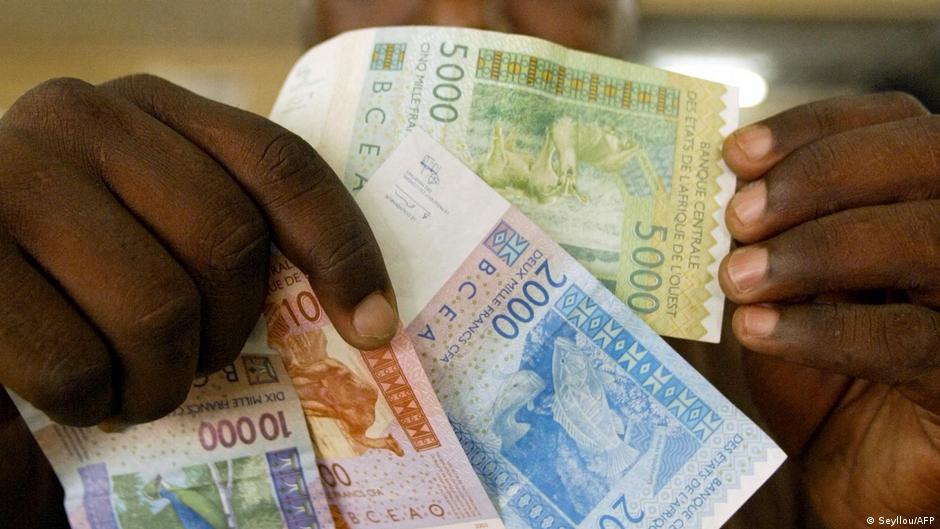
While Sylla highlighted the CFA franc as a structural obstacle, Alioune Tine, founder of the Afrikajom Center, emphasized the need for a unified African response. He dismissed the idea of unilateral solutions, stressing that collective action is essential to resist austerity measures that stifle economic growth.
« The debt crisis cannot be tackled in isolation. African nations must stand together to challenge unsustainable policies and demand structural reforms that prioritize our people over foreign creditors. Only through solidarity can we build resilient economies. »
Transparency and accountability in public finances
In late 2024, Sénégal’s Prime Minister Ousmane Sonko exposed hidden debts and budgetary irregularities inherited from the previous administration. These revelations, later validated by the IMF, revealed a national debt exceeding 130% of GDP. Sylla advocates for the cancellation of illegitimate debts, arguing that a well-managed central bank could mitigate their impact without crippling state budgets.
Tine, however, cautioned against emotional reactions, urging policymakers to adopt pragmatic strategies that account for global interdependence and shifting power dynamics in a post-colonial world.
Parliamentary reforms to prevent future crises
The ruling Pastef-Les Patriotes party has pledged to strengthen parliamentary oversight of debt management and budget execution. Ayib Daffé, leader of the party’s parliamentary group, emphasized the need for stricter financial controls to ensure budgetary transparency and prevent recurrence of past financial mismanagement.
« To avoid repeating past mistakes, we must enforce rigorous parliamentary scrutiny of debt policies and budgetary laws. Financial decisions must adhere to principles of honesty and accountability to safeguard our nation’s future. »
Meanwhile, President Bassirou Diomaye Faye is engaging with IMF leadership at the Africa-France summit in Nairobi to explore viable pathways for debt relief and economic recovery. The administration’s stated goal is to chart a sustainable course for a country grappling with over two years of economic strain.