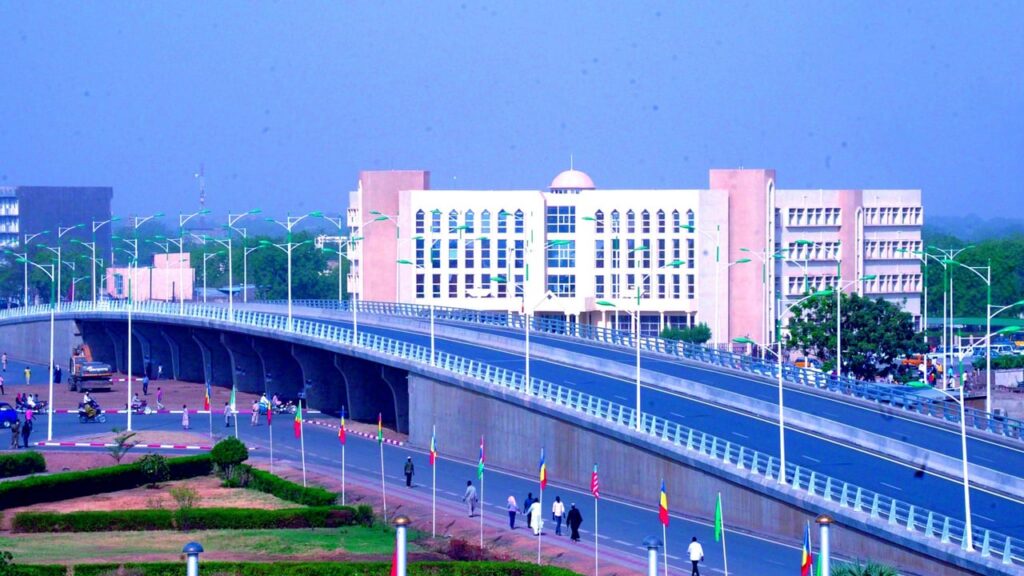

On March 16, S&P Global Ratings reaffirmed Chad’s sovereign credit rating at «B-» with a stable outlook. This decision essentially validates the strategic direction outlined in the nation’s “Plan national de développement Tchad Connexion 2030.” According to the Ministry of Finance, Budget, Economy, Planning, and International Cooperation, this rating reflects the agency’s confidence in Chad’s economic momentum, driven by robust growth, a manageable debt burden, and consistent backing from international partners.
Economic growth: from 3.6% to 5.2%, an upward trajectory
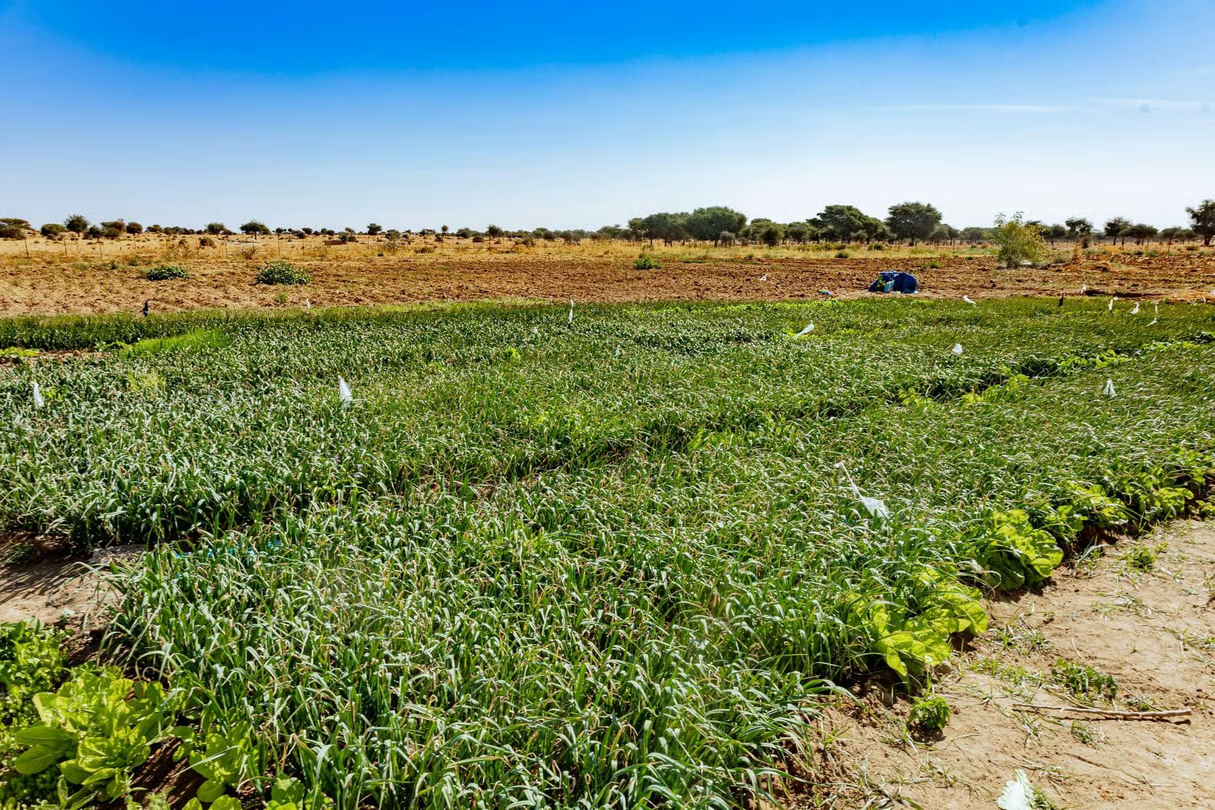
Following a gradual recovery since 2023, primarily fueled by rising hydrocarbon prices and a resurgence in the services sector, Chad’s economic activity continued to strengthen throughout 2025. S&P highlights this robust real GDP growth, projecting a 5% expansion for the current year. This forecast significantly exceeds the 3.6% annual estimate for 2024-2027 that the same rating agency made in December 2024.
Even the International Monetary Fund (IMF) revised its growth projections for Chad upwards to 5.2% last December, underscoring the economy’s vigor. Recent improvements in agricultural output and a rebound in non-oil activities are fostering more diversified growth. While the petroleum sector remains pivotal, accounting for a substantial portion of exports and government revenues, agriculture and services are also playing a crucial role in bolstering domestic demand.
Public debt under control
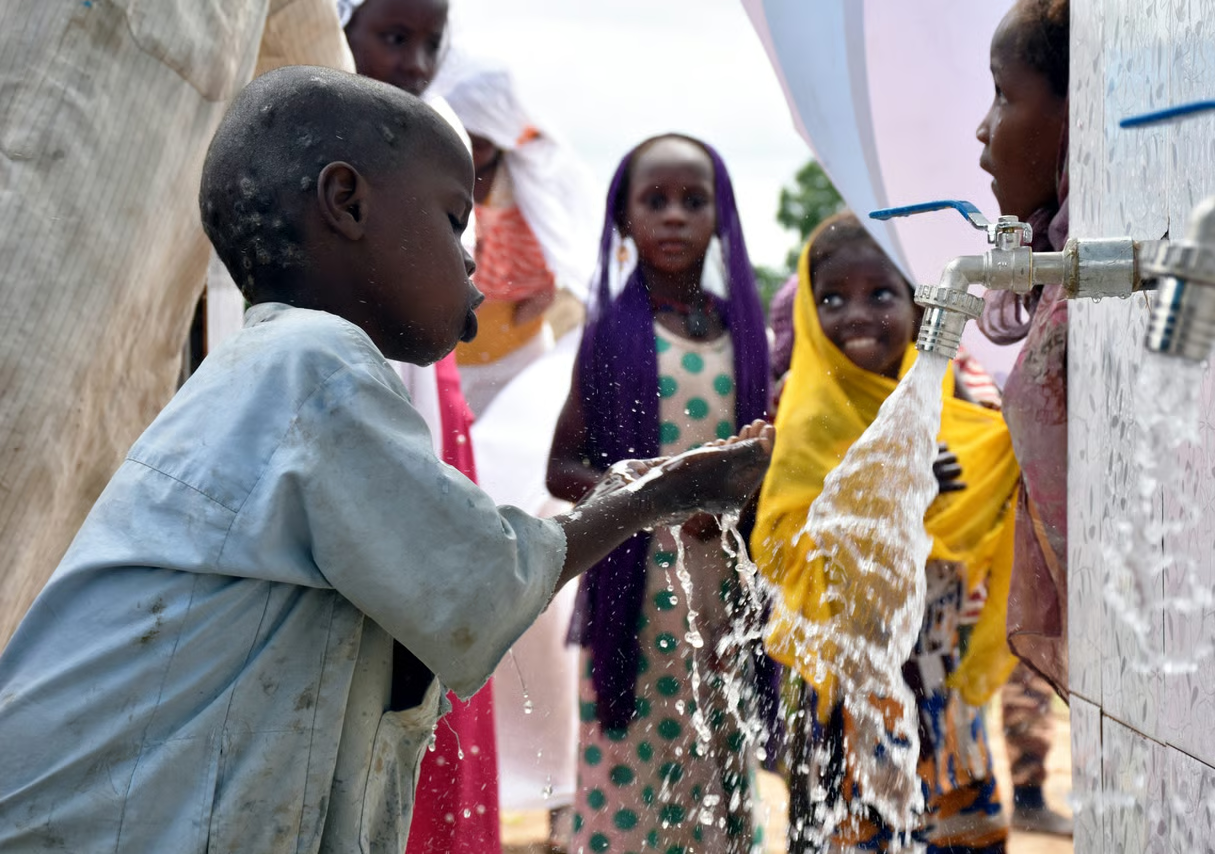
In terms of public finances, Chad has achieved significant strides in managing its debt, especially after a period characterized by elevated vulnerabilities. The nation’s public debt is on a downward trend, with an estimated level of approximately 36% of GDP, which is considered moderate when compared to other economies in similar contexts. Notably, in 2022, Chad was the first country globally to utilize the G20’s common framework for rescheduling its external debt.
External debt now constitutes only half of its total debt and is predominantly concessional, meaning it comes with favorable repayment terms. This has provided Chad with renewed financial flexibility, made its debt profile more appealing to investors, and enabled the advancement of major initiatives outlined in the “Plan National de Développement Tchad Connexion 2030.” The authorities are committed to a prudent fiscal policy, ensuring debt sustainability while simultaneously creating fiscal space to fund essential investments and social programs.

Enhanced domestic revenue mobilization
Chad has made significant strides in bolstering its domestic revenue mobilization, a pivotal component of the nation’s ongoing economic reforms. The ratio of tax revenues to GDP, while still relatively modest, experienced a notable increase, climbing from 9.8% in 2022 to 13.1% in 2023, according to OECD data. This upward trend reflects substantial efforts to broaden the tax base and enhance the efficiency of tax administration.
This positive momentum persisted into 2025, with non-oil revenues surpassing initial forecasts. This was driven by the dynamism of non-hydrocarbon economic activities and the implementation of measures under the IMF agreement, approved in July 2025, totaling $625.3 million. Furthermore, the digitization of public finances and reinforced governance are actively contributing to more effective revenue collection. The Ministry of Finance concluded that this reaffirmed rating solidifies Chad’s financial credibility, serving as a significant asset to attract increased private investment and reinforce international partners’ confidence in the country’s reform trajectory.
____
“Tchad Connexion 2030” driving future opportunities
For all the factors underpinning S&P’s stable rating, further consolidation of progress is essential. This includes economic diversification, improving fiscal revenue mobilization, maintaining sustainable debt levels, and investing in basic infrastructure. These critical areas are central to the “Plan national de développement Tchad Connexion 2030.”
This comprehensive plan was officially adopted by the Council of Ministers on May 29, 2025, marking the culmination of Chad’s political transition. This period began with the passing of President Idriss Deby Itno in April 2021, encompassed the promulgation of a new Constitution, and concluded with the election of the new President of the Republic, Mahamat Idriss Deby Itno, in May 2024, following a national reconciliation dialogue.
Now poised for economic emergence, Chad successfully secured $20.5 billion from public and private partners in November 2025 in Abu Dhabi to finance its ambitious strategic plan. Through 268 cross-cutting projects, the plan aims to fundamentally transform the country’s economy, lifting 2.6 million Chadians out of poverty. This transformation is projected to be driven by an 8% growth rate between 2025 and 2030, which in turn is expected to boost Chad’s GDP by 60% by 2030.
Structured around four core pillars, the plan encompasses 17 programs and 268 projects and reforms:
- Accelerating the development of strategic infrastructure, including electricity, water, road networks, and telecommunications.
- Strengthening social policies across education, health, vocational training, youth employment, and social inclusion.
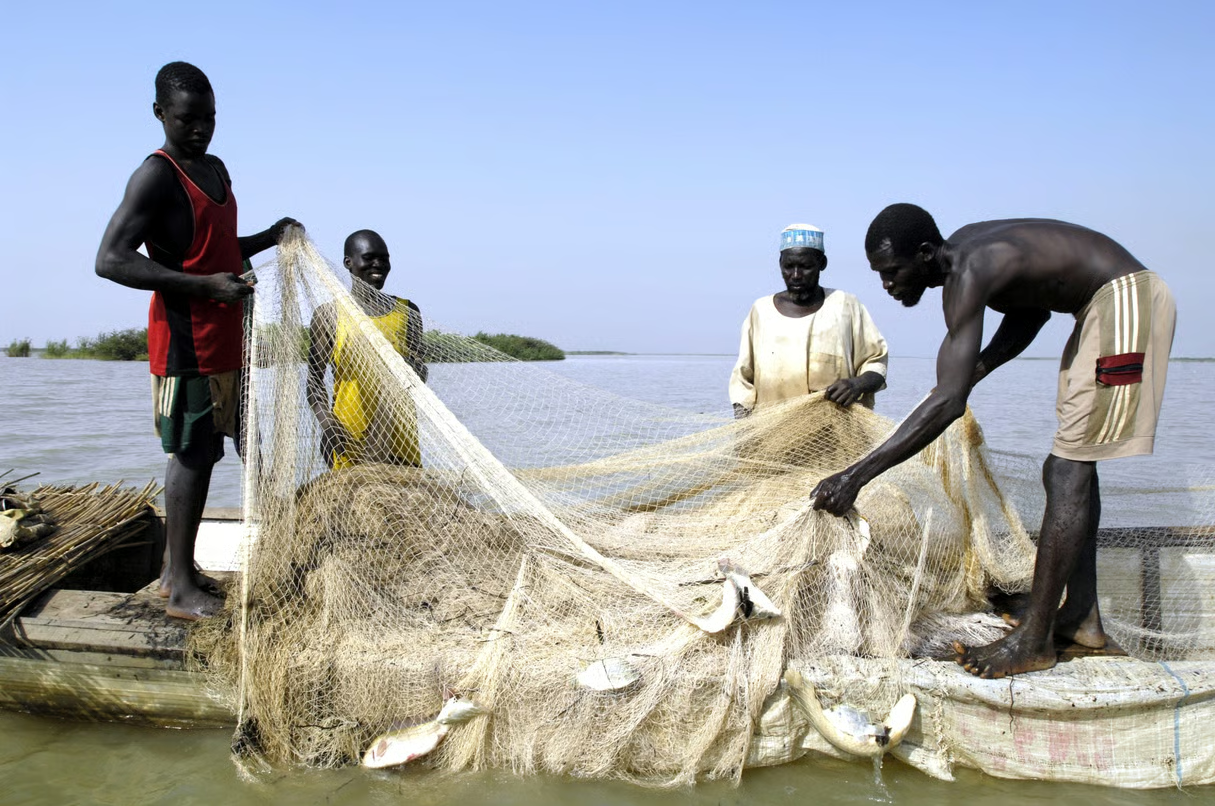
- Diversifying the economy through the development of export-oriented sectors such as agriculture, livestock, fishing, hydrocarbons, mining, and tourism, with a strong emphasis on local processing and value addition.
- Improving the business climate, notably through administrative simplification and streamlining processes.