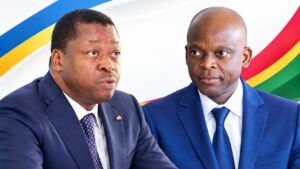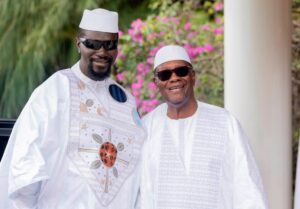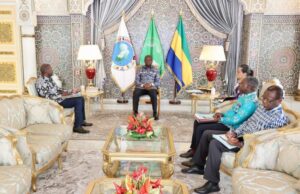
The energy cooperation between Senegal and Algeria has reached a new milestone. During a high-level meeting in Algiers, representatives from both governments agreed to combine their expertise in the critical hydrocarbons sector. The gathering brought together Senegal’s Minister of African Integration and Foreign Affairs with Algerian counterparts overseeing energy and diplomacy. This collaboration reflects a shared determination to establish a robust industrial partnership between Dakar and Algiers—two nations now firmly positioned on Africa’s hydrocarbon production map.
This strategic alignment comes at a pivotal moment for Senegal’s economy. Since 2024, the country has been extracting oil from the Sangomar field, operated by Australian firm Woodside, while advancing its gas production with the Grand Tortue Ahmeyim project straddling the border with Mauritania. As Senegal builds its institutional framework in the energy sector, it seeks partners with deep experience and vertically integrated value chains. Algeria, an OPEC founding member and Europe’s second-largest gas supplier, fits these requirements perfectly.
South-South collaboration in hydrocarbons
The Algiers meeting identified several concrete avenues for cooperation between the two nations. Discussions centered on training Senegalese oil and gas professionals, technical support from Sonatrach to its Senegalese counterparts, and knowledge-sharing on fiscal policies, local content, and regulatory frameworks. These are pivotal issues for Senegal as it navigates balancing revenue distribution among public entities, international majors, and local operators.
For Algeria, this initiative aligns with a more assertive African policy. Over the past two years, Algerian diplomacy has intensified its engagement in West Africa through initiatives like the trans-Saharan route, the Nigeria-Algeria gas pipeline, and increased participation in continental multilateral forums. Concluding sector-specific agreements with Dakar extends this strategy, enabling Sonatrach to export its expertise beyond the Maghreb and Sahel regions.
Dakar seeks oil expertise partners
From Senegal’s perspective, the stakes are twofold. First, accelerating the professional development of Petrosen, the national oil company, whose role has been redefined under the current administration since 2024. Senegalese authorities have made renegotiating oil and gas contracts a political priority, emphasizing fairer redistribution of natural resource revenues. In this context, technical support from an experienced foreign public company proves invaluable.
Second, anchoring Senegal’s energy strategy in a diversified partnership model. Until now, Dakar primarily collaborated with Western majors—Woodside, BP, Kosmos Energy—and leveraged Norwegian expertise through the Oil for Development program. Opening dialogue with Algeria broadens this network and introduces an African partner into a landscape previously dominated by Northern actors.
A political signal beyond energy
The significance of this agreement extends beyond hydrocarbons. It also solidifies diplomatic alignment on multiple continental issues, particularly as the western Sahel undergoes a period of transformation. Both capitals aim to coordinate their positions within the African Union, especially on energy security and economic integration. The attendance of Senegal’s foreign minister—rather than just the energy minister—in Algiers underscores the political weight of this accord.
Translating these convergences into tangible projects remains the next challenge. Past energy agreements between Algiers and other African nations have often struggled to move beyond memoranda of understanding. For Dakar, the priority will be embedding this cooperation in a clear timeline with measurable outcomes, such as training programs, Sonatrach technical missions, or potential cross-participations in projects. The coming months will reveal whether the Dakar-Alger energy axis cements its place in Africa’s hydrocarbon landscape. Both sides have committed to maintaining high-level exchanges.