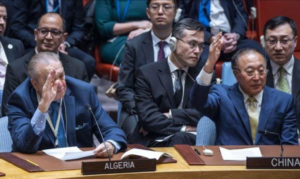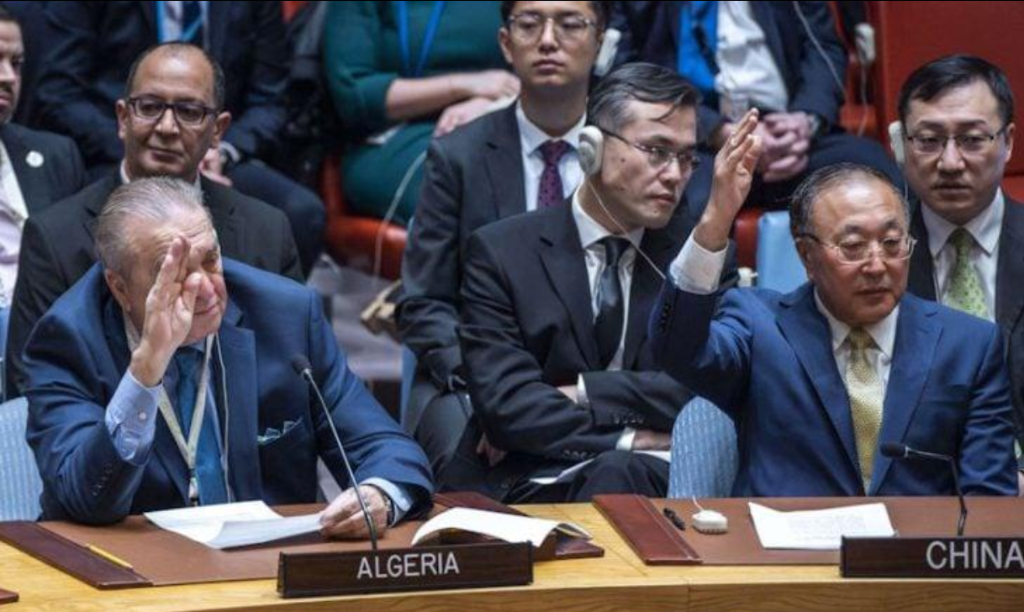
The United Nations Security Council witnessed yet another diplomatic showdown on October 30, 2026, leaving the future of Western Sahara—and the fate of its peacekeepers—hanging in the balance. In a high-stakes clash over the region’s disputed territory, the U.S.-backed resolution proposing a sweeping overhaul of the UN mission’s mandate was vetoed by Russia, while Moscow’s own counterproposal failed to secure the necessary support. With both initiatives rejected, the Security Council’s paralysis has cast a shadow over the long-running conflict and raised urgent questions about what comes next for the people of Western Sahara.
U.S. resolution stumbles over Russian veto
The Security Council convened on October 30 to decide the fate of the UN Mission for the Referendum in Western Sahara (MINURSO), whose mandate was set to expire by October 31. The American-led draft resolution sought to extend MINURSO’s mandate for one year—until October 31, 2027—but went further by proposing a radical shift in the mission’s purpose and structure.
The U.S. proposal aimed to center negotiations on Morocco’s autonomy plan as the exclusive framework for resolving the conflict. It also suggested stripping the word “referendum” from MINURSO’s name, rebranding it as the UN Mission in Western Sahara (MINUSO), and gradually phasing out peacekeeping elements in favor of a more political role. However, to Moscow, these changes represented a dangerous departure from the internationally recognized principles of self-determination.
Russia’s opposition was swift. In a move that underscored its veto power as a permanent member, Moscow blocked the resolution despite eleven countries voting in favor, three abstaining, and only Russia voting against. The veto effectively killed the U.S. initiative, delivering a strategic setback to Washington’s push for a restructured peace process.
Moscow’s counterproposal fails to break the deadlock
With the U.S. plan rejected, Russia attempted to salvage the situation by presenting a stripped-down alternative: a simple one-year extension of MINURSO’s mandate in its current form, with no name changes or mission modifications. The move was framed as a pragmatic effort to prevent a sudden withdrawal of UN peacekeepers from a region already fragile with tensions.
Yet the Russian counterproposal suffered a humiliating defeat. It received support from only three members—Russia, China, and Somalia—while the U.S. voted against it and eleven others abstained. The failure wasn’t due to a U.S. veto; it was a lack of consensus. Washington’s opposition, combined with the absence of broad backing, ensured the resolution collapsed before it could even reach a vote.
This double failure—one through veto, the other through abstention—exposed the chasm dividing the Security Council. While Russia blocked the U.S. resolution, Washington refused to endorse Russia’s minimalist approach, leaving the Council paralyzed and the people of Western Sahara in limbo.
Self-determination at the heart of the confrontation
At the core of this diplomatic impasse lies a fundamental divide over the future of Western Sahara: the right of the Sahrawi people to determine their own destiny. Established in 1991 under a UN peace plan, MINURSO was tasked with organizing a referendum on self-determination—a vote that has never taken place due to disputes over voter eligibility and the scope of possible outcomes.
Morocco champions its autonomy initiative as the sole viable solution, positioning it as the only basis for negotiations. The Polisario Front, representing the Sahrawi people, insists that self-determination—including the possibility of independence—must remain on the table. For Western Sahara’s residents, the U.S. proposal’s focus on Morocco’s plan risks foreclosing their right to choose their political future freely.
The Russian veto prevented the U.S. resolution from passing, while the absence of international support for Moscow’s counterproposal confirmed that the Council remains deeply split. Neither side succeeded in imposing its vision, leaving the Sahrawi people without a clear path forward and the UN mission’s future hanging by a thread.
UN mission faces an uncertain future after failed votes
As the clock ran out on October 31, the Security Council had failed to adopt either resolution. MINURSO’s mandate lapsed without renewal, leaving its troops and civilian staff in legal and operational limbo. The absence of a decision not only threatens the continuity of UN peacekeeping in the region but also signals a broader crisis in international diplomacy.
For the people of Western Sahara, the stakes are personal. The deadlock endangers not just the mission’s presence but the very framework for resolving the conflict. Without a renewed mandate or a revised political process, the Sahrawi population risks being trapped between competing geopolitical agendas, with no guarantee of a just, durable solution.
The October 30 session in the Security Council will be remembered as a day of double failure—one that underscores the inability of the international community to unite behind a way forward for Western Sahara. With no resolution in sight and the future of both the mission and the territory hanging in the balance, one question looms large: how long can the Council remain paralyzed while the people of Western Sahara wait for justice?