When detention becomes a death sentence: the harrowing truth behind Minna’s prison tragedy
The night of September 16-17, 2026, in Minna, Niger State, Nigeria, turned into a nightmare for 33 individuals who suffocated to death in a 12-square-meter cell. Among the victims were 14 children, their lives cut short in a space designed for far fewer people. This catastrophe is not just a tragic accident—it is a stark warning of the systemic failures plaguing Africa’s prison systems, where overcrowding, neglect, and legal loopholes create conditions that violate human dignity and claim lives.
How 12 square meters became a death trap for nearly 50 people
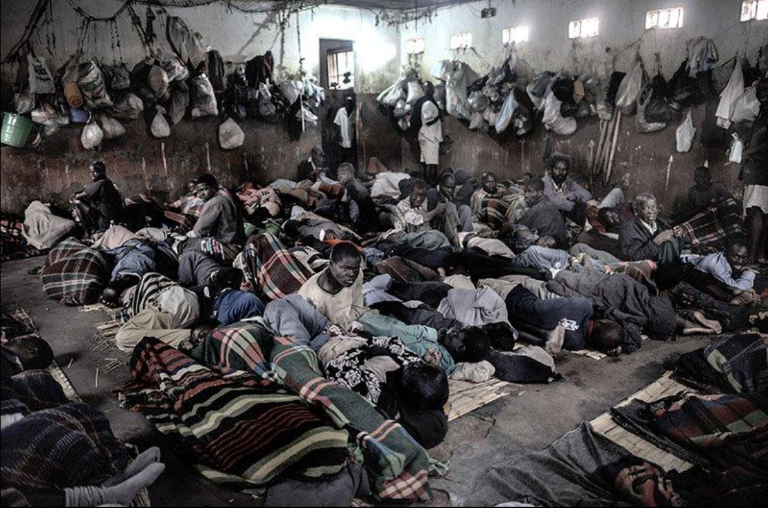
The independent inquiry’s findings, released on October 27, 2026, paint a grim picture of the conditions inside the Nigeria Security and Civil Defence Corps (NSCDC) detention facility. Nearly 50 detainees were crammed into a space barely larger than a standard parking spot, with no access to clean water, functional toilets, or adequate ventilation. Survivors described desperate attempts to stay alive, including drinking urine and sweat when no other options remained.
The report highlights a deadly combination of factors: extreme overcrowding, suffocating heat, lack of medical care, and deliberate neglect by staff. Despite desperate pleas for help—including banging on cell doors—no intervention came for hours. The commission concluded that these deaths were entirely preventable, a direct result of systemic negligence and institutional failure.
From tragedy to accountability: the numbers behind the disaster
Initial reports suggested 37 fatalities, but the official death toll stands at 33, including 14 minors. Forty-one people survived, though their physical and psychological scars will last a lifetime. The inquiry also uncovered glaring legal and procedural violations: children were held alongside adults, some detainees were held without due process, and arrests appeared to lack proper justification.
While the Nigerian government has pledged investigations and potential sanctions, the question remains: who bears ultimate responsibility for these preventable deaths? The commission has called for legal action against negligent staff, compensation for victims’ families, and urgent reforms to prevent future tragedies.
A continental crisis: how overcrowded prisons endanger lives across Africa
This disaster is not an isolated incident but a symptom of a much larger crisis. According to the 2025 Prison Matters report by the United Nations Office on Drugs and Crime (UNODC), nearly 90% of African countries with available data operate prisons at or beyond capacity. Globally, over 60% of prison systems face similar overcrowding issues. The consequences are dire: compromised health, increased violence, and a complete erosion of human rights standards.
In Africa, 37% of detainees in 2023 were awaiting trial—presumed innocent but trapped in squalid conditions. Slow judicial processes, understaffed courts, and excessive use of pre-trial detention exacerbate the problem, turning prisons into warehouses of suffering rather than institutions of justice.
Beyond brick and mortar: reimagining justice to save lives
Prisons should not be places where justice is replaced by cruelty. Yet, in too many African nations, detention facilities have become death traps. Reforms must go beyond building more prisons—they require a fundamental shift in how justice is administered. Key priorities include:
- Expediting judicial processes to reduce pre-trial detention and clear case backlogs.
- Strengthening legal aid to ensure fair representation for the indigent and marginalized.
- Expanding alternatives to incarceration for non-violent offenses, such as community service or rehabilitation programs.
- Investing in humane infrastructure—clean water, sanitation, medical care, and temperature control.
- Enforcing strict separation of adults and minors to protect vulnerable detainees.
- Establishing independent oversight to monitor conditions and hold authorities accountable.
The UN Mandela Rules set clear standards: all detainees must be treated with dignity and respect. These rules are not optional—they are a moral and legal obligation. The deaths in Minna were not inevitable; they were the result of choices—or the lack thereof. The question now is whether African governments will act to prevent the next tragedy, or continue to treat prison cells as death sentences.
What justice looks like after Minna
The 33 lives lost in Minna demand more than outrage—they demand action. While Nigeria grapples with its immediate responsibilities, the broader lesson is clear: no justice system can claim legitimacy when its prisons become instruments of suffering. The path forward requires political will, investment, and a commitment to human rights. Until then, the cells of Africa will continue to echo with the cries of those who should never have been forgotten in the first place.