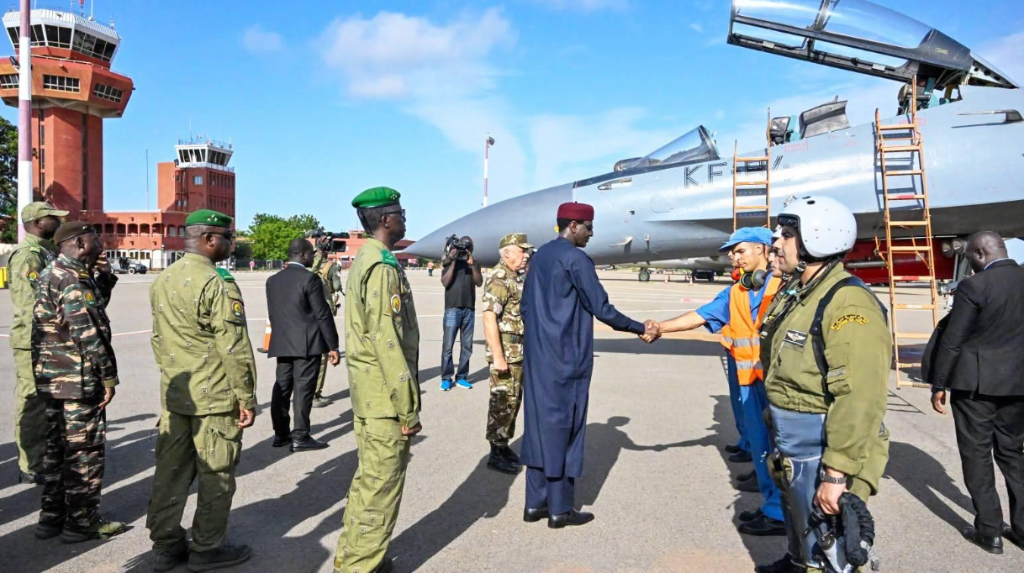
The urgent summoning of Algeria’s parliamentary chambers on October 25 underscores a pivotal moment in the nation’s evolving military ties with Niger, with ripple effects poised to reshape regional stability, economic ties, and civilian security across the Sahel.
Is Algeria on the brink of a bold new security strategy in the Sahel? The extraordinary session convened for both parliamentary houses has fueled intense speculation, particularly about potential military deployment to Niger. While no official agenda has been disclosed, the timing suggests a critical turning point in Algerian foreign policy.
Military ties reshape regional dynamics
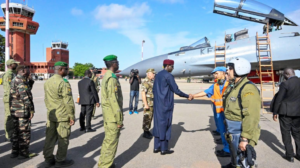
Recent months have seen Algeria and Niger strengthen their defense cooperation in unprecedented ways. On August 30, 2026, Algeria deployed four Su-30 fighter jets and a refueling aircraft to Niamey at the request of Nigerien authorities, marking a tangible shift in regional alliances. This move, framed as a collaborative effort, signals Algeria’s determination to assert its influence amid growing instability and external competition in the Sahel.
The momentum continued on October 21 with the signing of a military cooperation protocol between Algerian and Nigerien officials. Though the details remain undisclosed, the agreement underscores the deepening strategic partnership between the two nations, with implications for trade, border security, and counterterrorism efforts.
Constitutional constraints and strategic calculations
Algeria’s constitution adds a layer of complexity to the situation. Under Article 91, any deployment of the national army abroad requires approval from both parliamentary chambers, with a two-thirds majority. This legal framework has heightened expectations that the October 25 session may address military engagement in Niger—though other urgent matters could also justify the extraordinary meeting.
The lack of a published agenda demands caution. In such a volatile context, distinguishing between institutional procedure, strategic consideration, and operational decision-making is critical. Premature assumptions risk elevating speculation to the level of established policy.
Sovereignty and security at stake
For Niger, deeper collaboration with Algeria could diversify its security partnerships at a time when the Sahel faces persistent armed threats and shifting alliances. Algeria, as a neighboring power with significant military capabilities, offers a strategic counterbalance to other regional actors.
Geographically, Niger holds vital importance for Algeria. The two countries share a border and confront shared challenges, including armed group movements, cross-border trafficking, and destabilization risks. For Algeria, the priority may lie in preventing spillover threats rather than launching offensive operations. Support missions, cooperation frameworks, or deterrence measures do not necessarily equate to combat interventions.
Great power rivalry looms over the Sahel
Speculation has also emerged about potential strikes targeting Emirati interests in Niger, amid broader competition for influence. However, no credible evidence supports the claim that Algeria is planning such actions. Direct confrontation with a third-party state would represent a dramatic strategic escalation, carrying substantial diplomatic and security costs while risking further fragmentation in an already tense region.
It is essential to separate the geopolitical competition for Sahel influence from unverified claims of targeted military operations. Without documented evidence, such scenarios remain speculative.
A defining moment for Algeria’s regional role
Beyond the debate over military intervention, the parliamentary session raises a broader question: how far is Algeria willing to go to protect its interests in the southern neighborhood? A potential authorization for foreign deployment would send a powerful political signal. Conversely, a session focused on unrelated matters would serve as a reminder that correlation does not imply causation.
The immediate focus now rests on the session’s agenda, any resolutions passed, and subsequent official statements. These developments will clarify whether Algeria intends to bolster its support for Niger or adopt a more assertive military posture.
For now, one conclusion is clear: the Algeria-Niger rapprochement is a critical political development with real-world consequences for citizens and businesses across the Sahel. However, the hypothesis of military intervention remains unconfirmed. In a region where every military move can shift the balance of power, precise information is indispensable to separate strategic signals from uncertain scenarios.