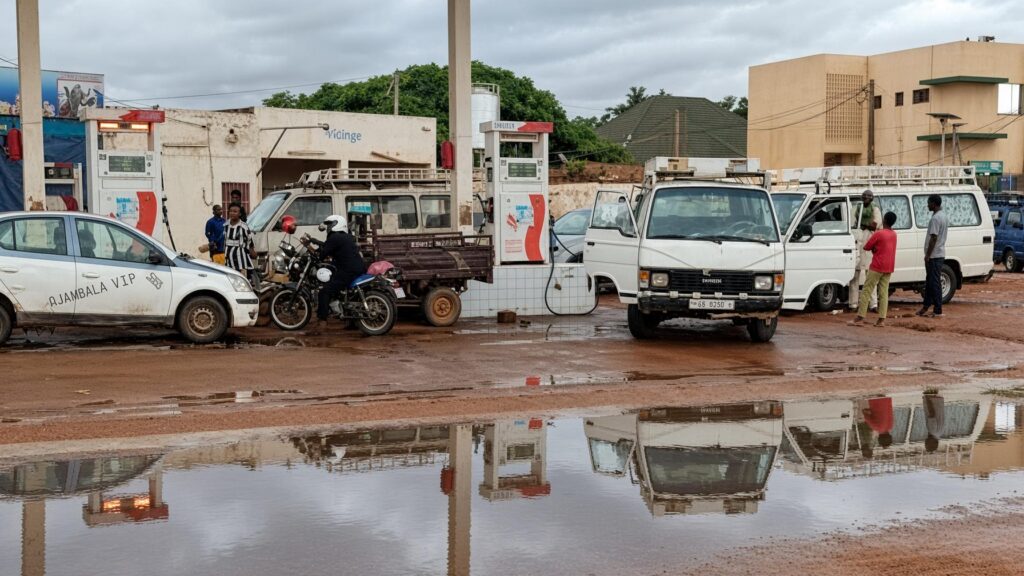
Niger is grappling with an escalating fuel shortage that has pushed the nation’s citizens and economy to the brink. In a desperate bid to restore order, the government has imposed sweeping restrictions on fuel distribution, including overnight closures at gas stations and a nationwide ban on jerrycan sales. While these measures are framed as a temporary solution, they risk inflicting severe hardship on Nigeriens who already face unreliable access to essential services.
Night curfews at fuel stations: a cure worse than the crisis?
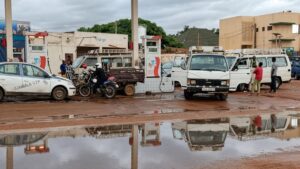
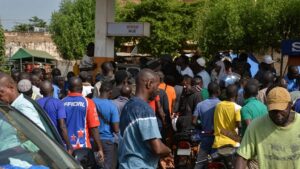
The new regulations mandate that nearly all gas stations shut down between 9 PM and 6 AM. Authorities claim this measure is designed to streamline logistics, allowing tanker trucks from the National Petroleum Company (SONIDEP) to unload fuel without disruption. However, this approach may inadvertently escalate the problem by concentrating demand into fewer operational hours, leading to longer queues and increased frustration during peak times. The government has promised to designate certain stations for emergency use, but the logistics and capacity of these facilities remain unclear.
The crackdown on jerrycan sales: targeting symptoms over causes
In tandem with the curfews, officials have outlawed the sale of fuel in jerrycans and other containers, a common practice in areas where official supply is inconsistent. The government frames this as an attack on black-market dealers, whom they accuse of artificially inflating prices and exacerbating shortages. Yet this strategy overlooks the harsh reality: for many Nigeriens, informal fuel sales are a lifeline when the official network fails. By criminalizing these transactions and deploying security forces to enforce the ban, authorities are shifting blame onto vulnerable citizens rather than addressing systemic supply chain failures.
The human toll of fuel restrictions
Commuters, small business owners, and families are bearing the brunt of these restrictions. Long lines at gas stations, erratic supply, and the threat of penalties have created a climate of uncertainty. Public transportation services, already struggling, face further disruptions, while local economies—especially in rural areas—suffer from delayed deliveries and increased costs. The government’s appeal to public “discipline” and “civic responsibility” rings hollow to those forced to adapt their daily routines to an unreliable distribution system.
Will these measures fuel long-term stability?
Officials insist that the restrictions are a short-term fix to stabilize the situation until a more sustainable solution emerges. However, without addressing the root causes of the fuel shortage—such as inefficiencies in the supply chain or insufficient national reserves—these emergency measures may only deepen the crisis. The real test will be whether Niger can transition from reactive policies to proactive reforms that ensure consistent, affordable fuel access for all.