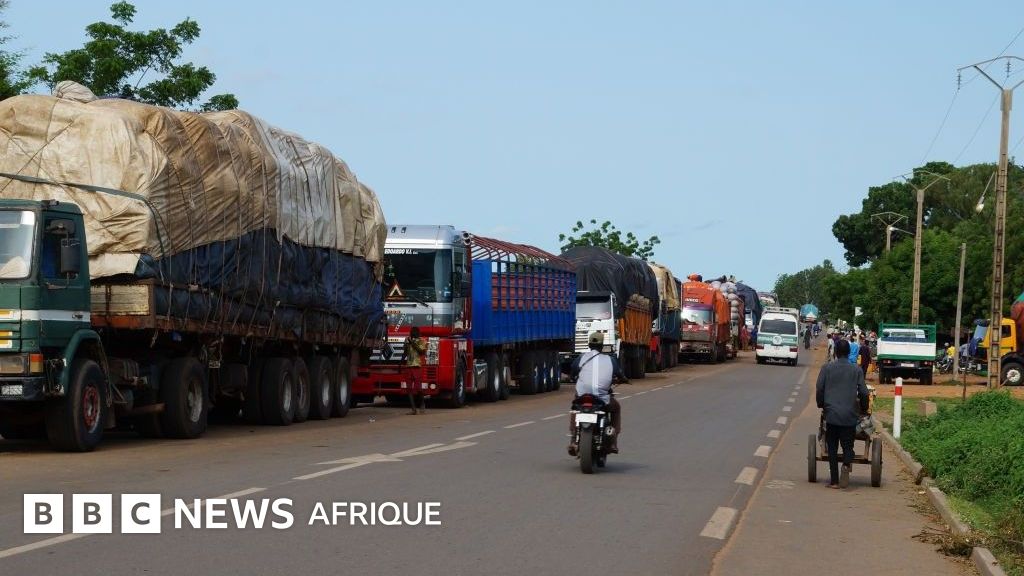
The long-standing dispute between Niger and Benin appears to be thawing, with both nations inching toward the reopening of their shared border. After three years of strained relations that culminated in a complete blockade, the two countries have signaled a potential breakthrough following high-level talks in Cotonou over the weekend.
Delegations from Niamey and Cotonou convened for two days of intensive negotiations, focusing on security cooperation, trade facilitation, and the resolution of long-standing disputes. The meetings, led by Niger’s Minister of Interior and Public Security General Mohamed Toumba, yielded agreements in principle on several key issues, including the removal of transit taxes, restrictions on certain goods, and the establishment of a joint commission to address pending legal and economic grievances.
Key agreements reached in Cotonou talks
Among the most significant outcomes of the discussions was the commitment to reopen the border, which has been closed since the July 2023 military takeover in Niger. The delegations also agreed to:
- Enhance cross-border security collaboration to combat terrorism and armed banditry
- Exempt transit goods from certain taxes to stimulate trade
- Prohibit the consumption of specific restricted merchandise within either country
- Review and adjust various levies and fees affecting bilateral commerce
- Establish a joint committee to resolve outstanding legal and economic disputes
General Mohamed Toumba described the talks as a turning point, emphasizing that dialogue had paved the way for economic recovery, strengthened security, and renewed hope for the youth of both nations. Benin’s Minister of Industry and Trade, Oleshegun Adjadi Bakari, echoed this sentiment, noting that the two delegations had successfully restored a climate of trust.
How Benin’s political shift sparked reconciliation
The thaw in relations can be traced back to Benin’s presidential election in April 2025, which brought President Romuald Wadagni to power. Within a week of his inauguration, Wadagni traveled to Niamey for his first official visit, marking the beginning of a deliberate effort to mend ties with Niger. Just three weeks later, both governments had already taken concrete steps to implement the agreements outlined in their joint communiqué, including the formation of a joint commission to investigate the events leading to the 2023 border closure.
Wadagni’s visit was widely seen as a diplomatic breakthrough, signaling a willingness to move past years of mutual accusations. The coup in Niger had triggered a cascade of tensions, with Niamey accusing Benin of harboring French troops and supporting regional efforts to destabilize its government. These claims were consistently denied by Cotonou and Paris. The dispute escalated further when the Economic Community of West African States (ECOWAS) imposed sanctions on Niger, leading to the closure of regional borders, including the critical corridor between Benin and Niger.

Economic fallout from three years of closed borders
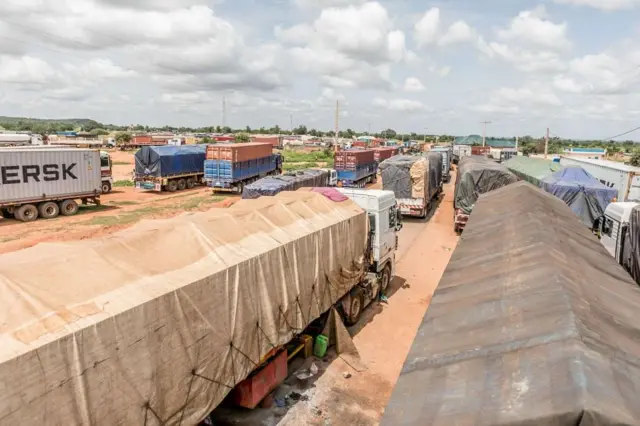
The prolonged closure of the Benin-Niger border has had devastating economic consequences for both nations. The once-bustling trade corridor, which connected landlocked Niger to the Port of Cotonou, was severed, forcing Niger to reroute its imports and exports through alternative ports in Togo and Burkina Faso. This shift has driven up transportation costs and exposed truckers to increased security risks along the longer, more perilous routes.
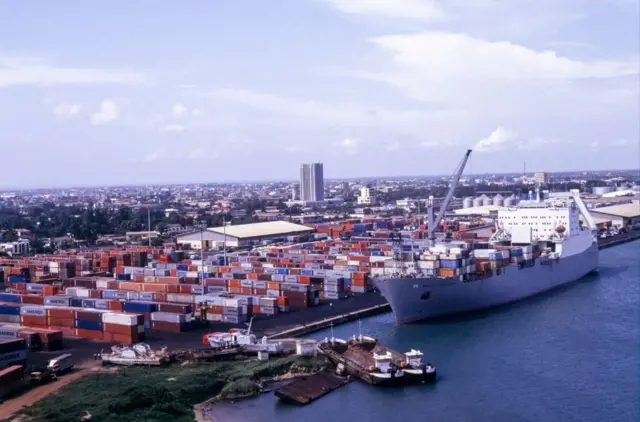
For Benin, the impact has been equally severe. The Port of Cotonou, a vital hub for regional trade, saw a sharp decline in activity as Niger redirected its cargo to Lomé. Entrepreneurs and transporters on both sides of the border have borne the brunt of the crisis, with many struggling to sustain their livelihoods. Ibrahim Abou Koura, a transporter based in Cotonou, described how his once-thriving warehouse, which handled goods destined for Niger, now lies nearly empty.
Gamatie Mahamadou, Secretary-General of Nigerian truck drivers, highlighted the critical role of the Niger-Benin corridor, calling it the safest, most cost-effective, and shortest route for transporters. The closure has disrupted the flow of essential goods, particularly cereals, leaving border communities on both sides grappling with shortages and rising prices.
With the border closure paralyzing trade and straining regional cooperation, the latest agreements offer a glimmer of hope for economic recovery. Truck drivers and business owners across both nations are eagerly awaiting the day the frontier reopens, hopeful that the newfound cooperation will restore stability and prosperity to the region.