Congo’s Catholic Leadership Opposes Referendum Amid Ongoing Violence
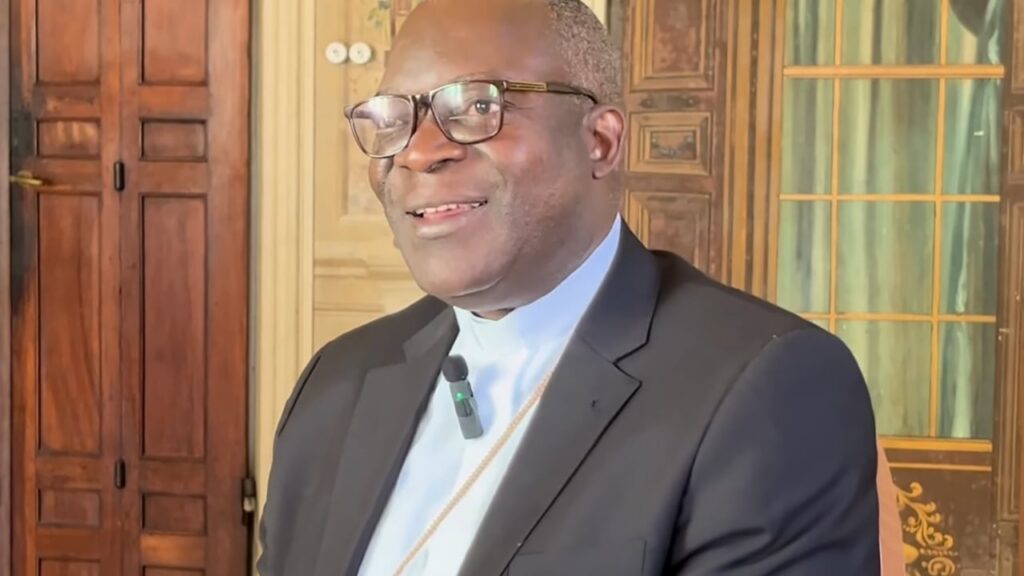
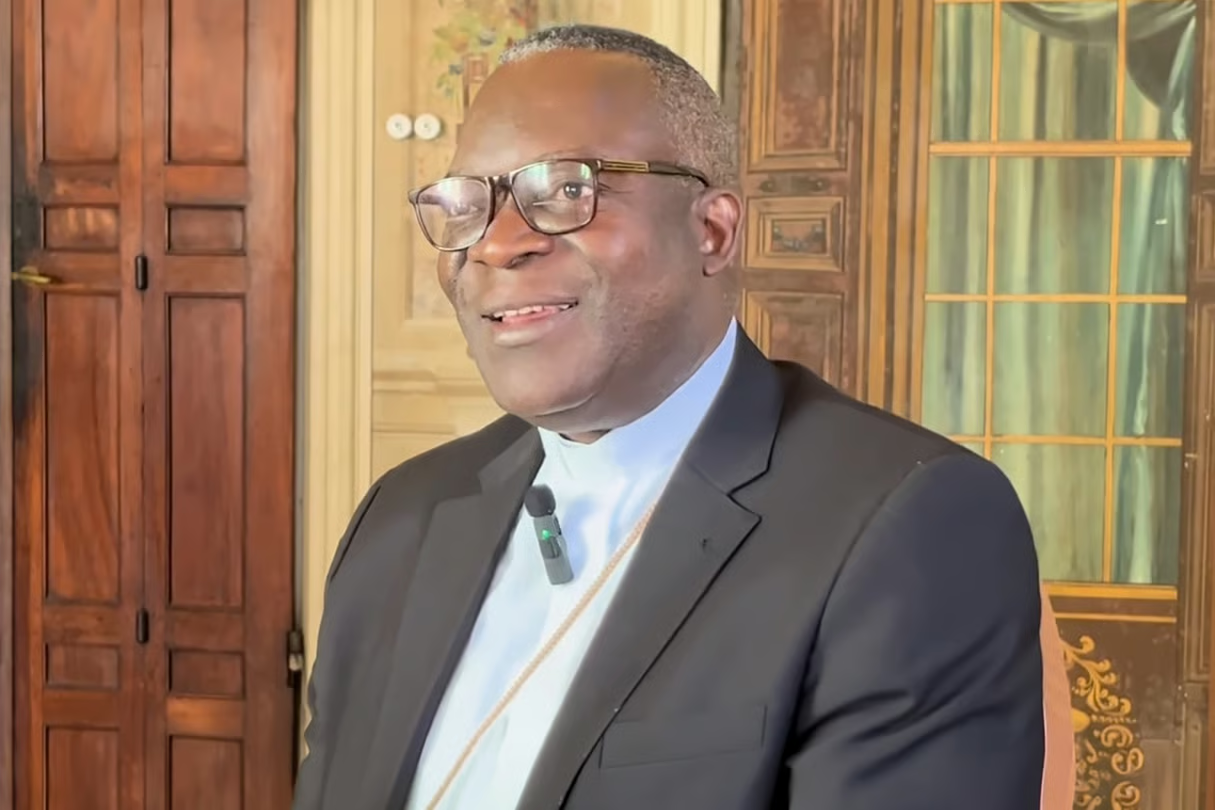
The National Episcopal Conference of Congo (Cenco) has strongly criticized the proposed constitutional referendum, describing it as premature and dangerous given the country’s current security crisis. Bishop Fulgence Muteba, President of Cenco, emphasized that organizing a national vote under these conditions would only deepen divisions rather than strengthen democratic progress.
Why the Church Objects to the Referendum
In a candid interview, Bishop Muteba outlined several key concerns:
- Escalating insecurity: With armed conflicts raging in eastern Congo and neighboring regions, holding a referendum could divert attention from urgent humanitarian needs while exacerbating tensions among political factions.
- Lack of inclusive dialogue: The proposed changes to the constitution have not been preceded by broad consultations with civil society, opposition groups, or religious leaders—despite the Church’s longstanding role as a mediator in national crises.
- Risk of further instability: The Bishop warned that rushing constitutional amendments without consensus could trigger widespread protests, violence, and even constitutional crises.
Historical Context and Political Tensions
The referendum proposal comes at a particularly volatile moment in Congo’s political landscape. Tensions between the government and opposition forces have intensified, particularly regarding Félix Tshisekedi‘s potential bid for a third term—a move critics argue would violate constitutional term limits. Meanwhile, the M23 rebel group, which has clashed with government forces in the east, continues to pose a significant threat to stability.
The Catholic Church, one of Congo’s most influential institutions, has historically played a pivotal role in mediating political disputes. Its opposition to the referendum signals growing unease among religious and civil society leaders about the government’s approach to governance amid conflict.
Calls for National Unity Over Constitutional Change
Bishop Muteba stressed that Congo’s immediate priority must be restoring peace and rebuilding social cohesion before considering major constitutional reforms. He urged the government to prioritize dialogue with all stakeholders, including rebel factions, to achieve a sustainable resolution to the crisis.
The Church’s stance reflects a broader sentiment among Congolese citizens who fear that political maneuvering could overshadow the country’s desperate need for security and economic recovery. As the debate over the referendum intensifies, the question remains: Can Congo afford another layer of political upheaval while its people continue to bear the brunt of conflict?