Power play in the heart of Africa: what’s fueling tensions between Kinshasa and Luanda?
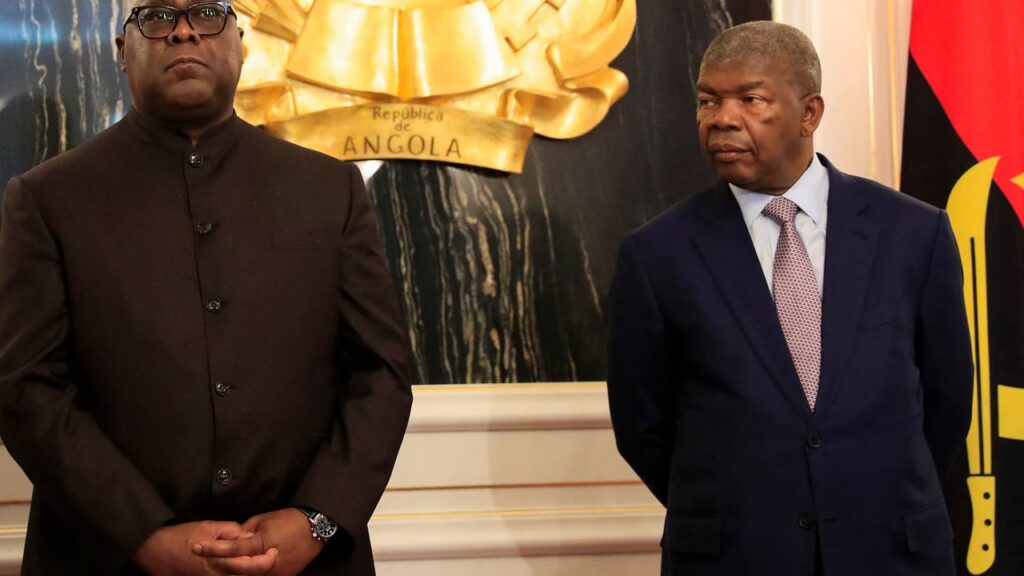
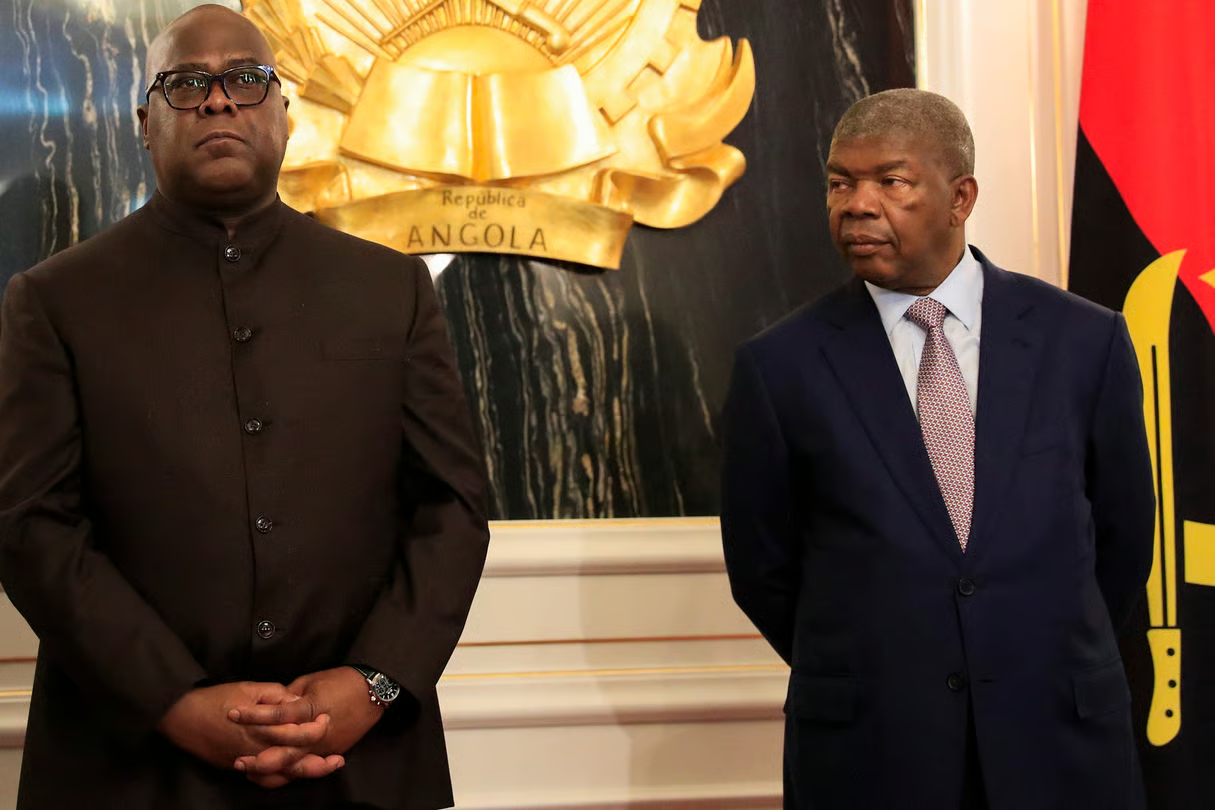
The corridors of power in Kinshasa and Luanda have rarely been as tense as they are today. Behind closed doors, a diplomatic standoff is unfolding between two of Central Africa’s most influential leaders: Félix Tshisekedi of the Democratic Republic of the Congo (DRC) and João Lourenço of Angola. What began as a promising partnership has now spiraled into a high-stakes rivalry, with both sides digging in their heels over critical regional issues.
From cooperation to confrontation: the breakdown of relations
Once viewed as natural allies, the relationship between Kinshasa and Luanda has deteriorated sharply in recent months. The trigger? A series of disputes over security, economic interests, and political influence in the Great Lakes region. The two presidents, who once shared a vision for regional stability, now find themselves on opposing sides of a widening chasm.
At the heart of the tension is the African Cooperation for Peace (AFC), a regional security initiative that has become a bone of contention. While Angola has pushed for a unified approach to combat armed groups along its borders, the DRC has resisted what it sees as interference in its internal affairs. The disagreement has escalated into a full-blown diplomatic rift, with both sides accusing the other of undermining regional security.
Economic rivalry: oil, minerals, and the battle for control
The economic fallout of this feud cannot be ignored. Angola, a major oil producer, has long relied on its neighbor’s vast mineral wealth to bolster its own economy. However, recent moves by Kinshasa to renegotiate lucrative mining contracts have left Luanda frustrated. The DRC’s decision to suspend several high-value agreements has sent shockwaves through Angolan business circles, where investors are now questioning the stability of their ventures.
Meanwhile, Angola’s push to diversify its economy has led to increased competition in sectors like agriculture and infrastructure. The DRC, with its vast untapped resources, has become a prime target for Angolan investors—creating a delicate balance of cooperation and rivalry that neither side can afford to ignore.
Political maneuvering: the shadow of Joseph Kabila
The specter of former DRC President Joseph Kabila looms large over this crisis. His lingering influence in Congolese politics has fueled speculation that he is leveraging the current tensions to regain political ground. Observers note that Kabila’s allies have been vocal in criticizing Tshisekedi’s handling of the AFC dispute, suggesting that the former leader is positioning himself as a viable alternative in future elections.
In Angola, meanwhile, Lourenço faces his own set of challenges. With mounting pressure to deliver on his economic promises, the Angolan president cannot afford to be seen as weak in negotiations with Kinshasa. The stakes are high, and the risk of a prolonged stalemate grows with each passing day.
What’s next for the DRC and Angola?
The question on everyone’s mind is: where does this leave the region? The DRC and Angola are not just neighbors—they are key players in Central Africa’s geopolitical landscape. A prolonged conflict would have far-reaching consequences, from trade disruptions to security vacuums that armed groups could exploit.
Diplomatic efforts are underway to de-escalate the situation, but trust is in short supply. Both sides remain entrenched in their positions, and the path to reconciliation is fraught with obstacles. For now, the future of this critical alliance hangs in the balance.
Key takeaways from this regional power struggle
- Security tensions: The AFC dispute has exposed deep divisions over how to address armed groups in the region.
- Economic fallout: Mining and trade agreements are under strain, threatening investments in both countries.
- Political undercurrents: The influence of Joseph Kabila adds a layer of complexity to Kinshasa’s relationship with Luanda.
- Regional stability: A prolonged conflict could destabilize the Great Lakes region, with ripple effects across Central Africa.