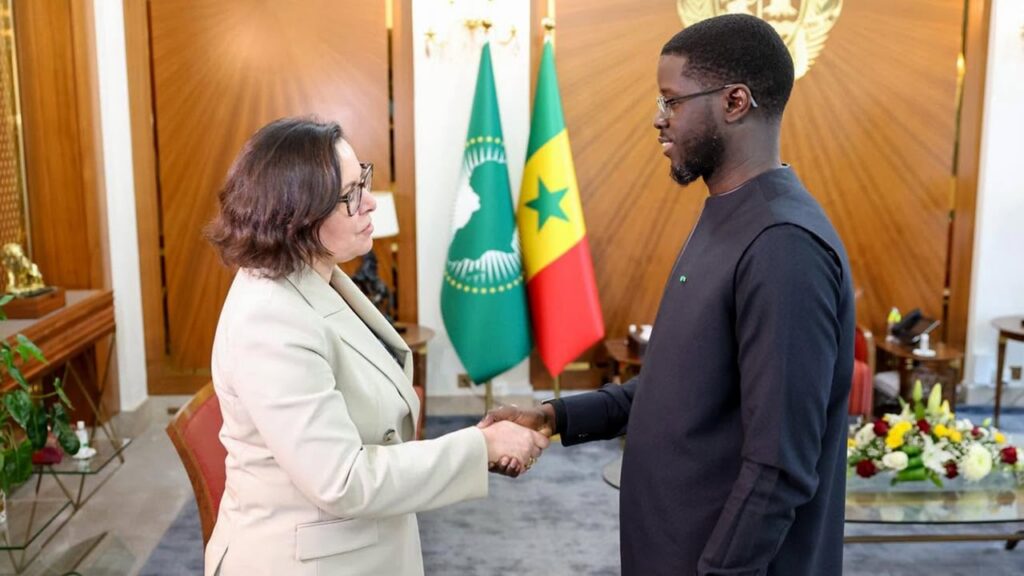

The International Monetary Fund’s recent mission to Dakar has shed light on critical aspects of Senegal’s financial landscape, particularly its debt management challenges. High-level discussions between IMF representatives and Senegalese authorities, including President Bassirou Diomaye Faye, centered on strategies to stabilize the country’s economic trajectory amid growing fiscal pressures.
Key outcomes from the IMF mission
The delegation, led by Mercedes Vera Martin, engaged in intensive negotiations with Senegalese officials to address pressing concerns. Among the primary focus areas were:
- Debt sustainability: Evaluating the feasibility of Senegal’s current debt levels and exploring avenues to prevent potential fiscal crises.
- Structural reforms: Identifying reforms to enhance economic governance, improve public financial management, and boost investor confidence.
- Fiscal transparency: Strengthening mechanisms to ensure greater openness in government spending and debt reporting.
- Social spending priorities: Balancing debt reduction efforts with essential investments in healthcare, education, and infrastructure.
Challenges and opportunities
The IMF’s visit highlighted both the hurdles and prospects facing Senegal. With public debt levels under scrutiny, officials emphasized the need for prudent borrowing practices while safeguarding critical social programs. The talks also underscored the importance of diversifying revenue streams to reduce reliance on external financing.
President Bassirou Diomaye Faye reiterated Senegal’s commitment to fiscal responsibility, stressing that reforms would be implemented without compromising the well-being of citizens. The IMF mission’s findings are expected to shape future policy decisions, particularly in aligning economic growth with debt sustainability.
Next steps and expectations
Following the mission, both parties agreed on a roadmap to implement the proposed recommendations. This framework includes regular reviews to monitor progress and adjust strategies as needed. For Senegal, the path forward demands a delicate balance between reducing debt burdens and fostering an environment conducive to sustainable development.
As Dakar continues to play a pivotal role in West Africa’s economic landscape, the outcomes of these discussions will be closely watched by investors, policymakers, and international partners alike.