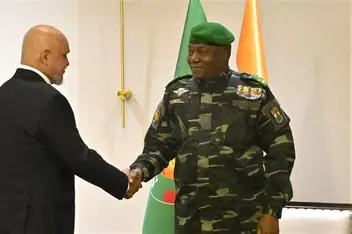
Three years following the strategic realignment of Niger’s military cooperation with Russia in the aftermath of the July 2023 political transition, the country continues to grapple with an escalating jihadist insurgency. Despite the junta’s stated objective of restoring security through this partnership, violent attacks have not only persisted but intensified, inflicting devastating losses on the Nigerien armed forces.
A series of coordinated assaults on multiple military outposts resulted in the loss of at least 265 soldiers over a three-day period. These coordinated strikes rank among the deadliest incidents recorded in recent years, underscoring the persistent vulnerabilities in the nation’s defense infrastructure.
The shift from Western partners to Russian support, including the deployment of military instructors and the gradual withdrawal of Western advisers, has yet to yield a sustainable improvement in security conditions. On the contrary, independent assessments indicate a marked deterioration in the security landscape since 2023, with a notable rise in both the frequency and lethality of attacks.
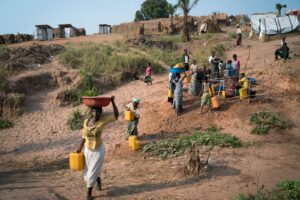
Data from conflict-tracking initiatives reveal that in 2023 alone, Niger experienced approximately 225 violent incidents, a figure comparable to 2022 but accompanied by a 27% increase in civilian fatalities. This upward trend has persisted, with 2025 witnessing a record number of civilian deaths—over 700—according to humanitarian monitoring reports, more than double the toll recorded in 2023.
Despite repeated assurances from military authorities regarding the recapture of territorial control, the regions of Tillabéri, Tahoua, and border areas adjacent to Mali and Burkina Faso remain hotspots for violent extremism. These zones continue to witness relentless attacks orchestrated by factions linked to the Islamic State and the Macina Liberation Front (JNIM), among others.
Notable incidents include the October 2023 ambush near Tabatol, which claimed the lives of over 60 soldiers, and the March 2024 ambush in Tillabéri that resulted in 23 military fatalities. Additionally, a spate of deadly raids on civilian convoys, villages, and military installations has further strained the operational capacity of Niger’s security apparatus.
These developments have sparked growing scrutiny over the efficacy of Niger’s revised security partnership. Three years after pivoting toward Moscow, the insurgency shows no signs of abating, placing immense pressure on the nation’s already stretched defense and security resources.