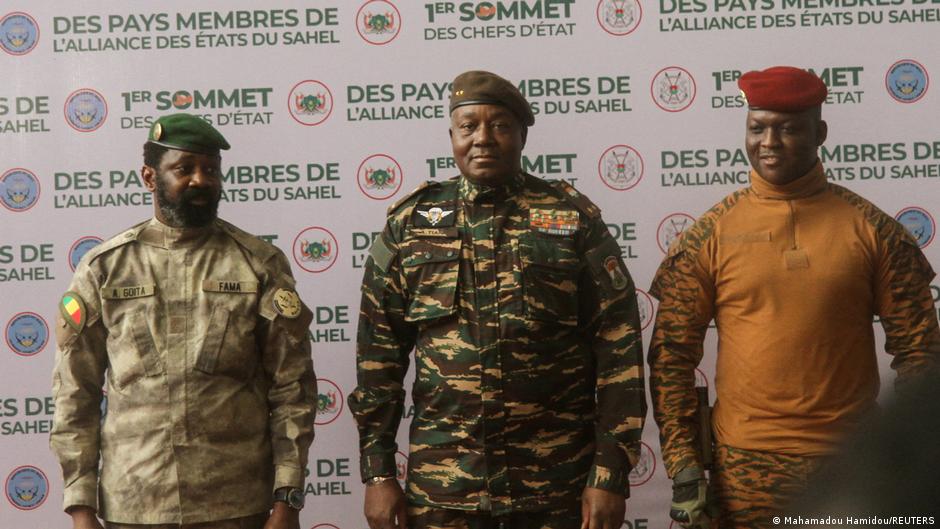
The Sahel region is experiencing a period of realignment as Western powers recalibrate their strategies. Recent diplomatic moves by the European Union and the United States suggest a gradual shift in approach toward the military-led governments of the Alliance of Sahel States (AES). This evolution comes amid persistent security challenges and evolving geopolitical dynamics in West Africa.
Washington’s evolving engagement in the Sahel
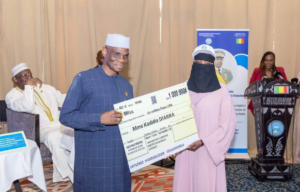
In a notable development, the U.S. State Department announced a five-year bilateral memorandum of understanding with Burkina Faso on February 25, earmarking $147 million to combat HIV/AIDS and other diseases. This financial commitment follows earlier diplomatic overtures, including a mid-February phone call between U.S. officials and Niger‘s transitional Prime Minister, Ali Mahamane Zeine, where Washington reaffirmed its respect for Niamey’s sovereignty.
These steps indicate a cautious re-engagement by Washington with Sahelian nations, moving beyond immediate security concerns to include humanitarian and health cooperation. Analysts suggest this reflects a recognition that isolation could push these countries further into alternative alliances, such as those with Russia or Iran.
Brussels’ pragmatic shift in Sahel policy
The European Union, through its Special Representative for the Sahel, João Cravinho, has also signaled a willingness to engage despite strained relations with Mali’s transitional authorities. Cravinho’s recent visit to Bamako underscores a potential thaw in EU-AES relations, even as formal cooperation remains limited.
According to Francis Kpatindé, a West Africa specialist and lecturer at Sciences Po Paris, these moves do not yet constitute a full rapprochement. “We must be cautious—the Sahel has repeatedly defied expectations, but there may be subtle shifts,” he notes. While relations remain tense, there is a glimmer of possibility for renewed dialogue.
Why the West is reconsidering its stance
Several factors are driving this recalibration:
- Strategic interests: The Sahel’s vast mineral wealth—Niger’s uranium, Burkina Faso’s gold, and Mali’s abundant gold reserves—makes engagement essential for Western powers.
- Security imperatives: The rise of jihadist groups across the region poses a direct threat to European and American interests, necessitating at least minimal cooperation with local authorities.
- Geopolitical competition: The growing influence of Russia and other actors in the Sahel has compelled the West to seek alternative channels to maintain influence.
Germany’s role in bridging divides
Germany has emerged as a key interlocutor in the Sahel, maintaining strong ties with AES member states despite their strained relations with France. Berlin’s pragmatic approach offers a potential pathway for other EU nations to re-engage. “Germany’s presence provides a useful bridge, allowing France to maintain indirect contact with the Sahel through other EU members,” Kpatindé explains.
This shift toward a country-by-country strategy—abandoning a unified regional approach—reflects the complex realities of Sahelian politics. As Mali, Burkina Faso, and Niger assert their sovereignty, traditional partners like France face diminishing leverage, making alternative diplomatic routes increasingly vital.
What’s next for Sahel-Western relations?
The trajectory of these engagements remains uncertain. While Western powers are cautiously exploring renewed cooperation, deep-seated mistrust and differing strategic priorities persist. The outcome will likely hinge on whether these nations can find common ground in combating terrorism and fostering economic stability—without compromising their respective sovereignties.