Why the Russian-backed security model in the Sahel is collapsing
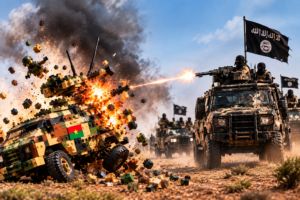
The Sahel is at a breaking point. After years of escalating violence, the much-touted Russian security partnership is showing cracks, and the harsh truth is finally catching up with those who once promised it as a miracle solution. Recent coordinated attacks in Kati and Kidal have exposed the fragility of this alliance, proving that Moscow’s military support is far from the impenetrable shield it was marketed to be.
The Africa Corps, despite its massive deployment, failed to prevent insurgents from striking deep inside Mali’s strategic zones. This embarrassing setback highlights a critical flaw: a security strategy that was supposed to stabilize the region is now struggling to keep pace with the threats it faces. The message is clear—what was once sold as an unbeatable advantage is now revealing its limitations.
Kemi Seba’s shift: from Russian advocate to sharp critic
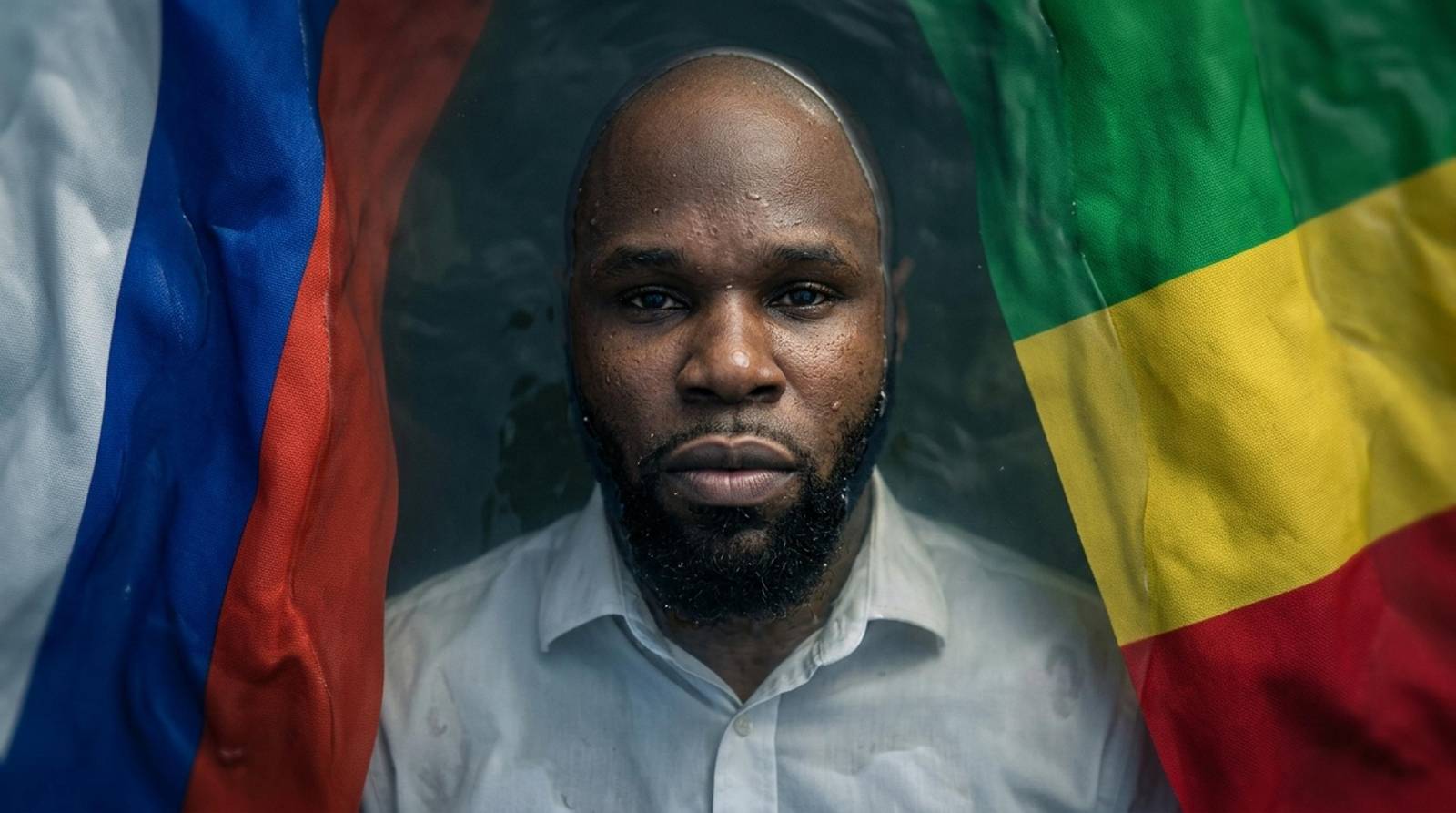
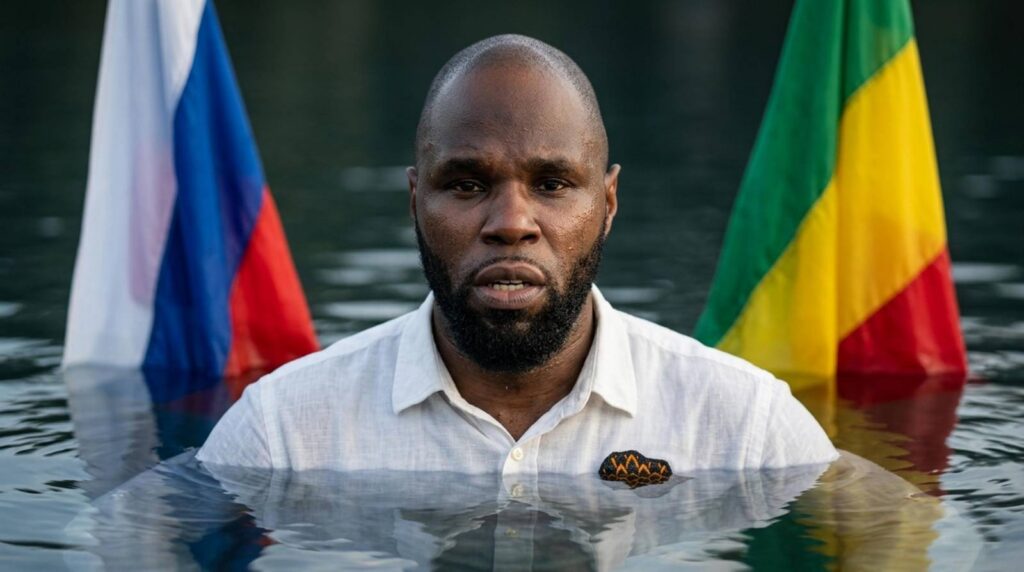
At the heart of this unraveling narrative stands Kemi Seba, the controversial activist whose once-fervent support for Russian influence in Africa has abruptly shifted. Gone are the days of unconditional praise; today, he openly labels Moscow’s presence as “purely transactional,” driven by extractive interests rather than genuine partnership.
But this transformation didn’t happen overnight. Seba’s tone change has deep roots. His forced departure from the Sahelian stage—first through arrest and later by seeking asylum in South Africa—marked a turning point. Exiled and disconnected from the ground realities, he now sees the Russian strategy for what it truly is: a calculated bid to exploit the region’s mineral wealth under the guise of security cooperation. The man once hailed as a liberator is now calling out the contradictions of an alliance he once championed.
The AES alliance in the crosshairs: lessons from Mali’s struggles
The unease extends beyond Seba’s shifting rhetoric. For the Alliance of Sahel States (AES)—comprising Burkina Faso, Mali, and Niger—Mali’s recent turmoil serves as a stark warning. The promise of an Eastern alternative to Western security models is colliding with a brutal reality: rising insecurity and eroding sovereignty.
As foreign support comes at an increasingly high cost, local populations find themselves caught between two flawed choices. On one side, a foreign partner prioritizing its own interests over regional stability. On the other, panafricanist voices whose stances seem to shift with personal circumstances rather than enduring principles. In the end, it’s the people of the Sahel who remain trapped in a cycle of violence, desperately waiting for a solution that delivers real, lasting security.