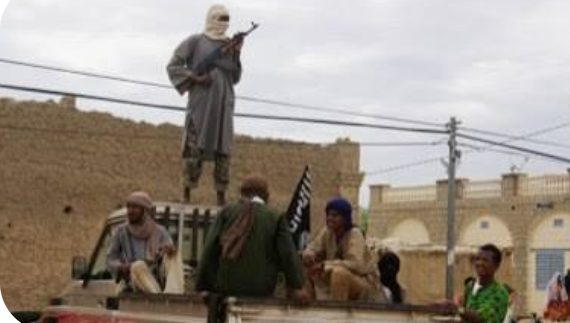
Mali’s security landscape has taken a dramatic turn as the transitional government’s reliance on Russian paramilitary support faces mounting scrutiny. On April 25, conflicting developments emerged: while negotiations for a Russian withdrawal from northern regions progressed, violent clashes reignited near the political heart of the nation. This juxtaposition highlights the growing skepticism surrounding Moscow’s military-only approach to combating terrorism in the West African nation.
Diplomatic maneuvering in Kidal: a fragile ceasefire
Northern Mali has become the epicenter of an unexpected diplomatic initiative. Reliable sources indicate that Russian mercenary groups have reached a tentative agreement with Tuareg rebel factions to facilitate a safe evacuation from the Kidal region. While officially framed as a humanitarian measure, this arrangement exposes the limitations of external military intervention in complex conflict zones. For Bamako, which had staked its legitimacy on reclaiming Kidal as a symbol of national sovereignty, this development represents a stark admission of failure. Whether through former Western alliances or current Russian partnerships, Mali’s attempts to stabilize volatile areas appear increasingly fragile.
Kati’s vulnerability: when insurgency reaches the seat of power
The southern city of Kati, just 15 kilometers from the capital, has become the latest battleground in Mali’s spreading insecurity. Far more than a military outpost, Kati serves as the nerve center of the current administration, where critical governance decisions are made. The resurgence of hostilities in this previously secure zone signals a dangerous escalation, with militant activity encroaching ever closer to the presidential palace. Despite promises of military reinforcement and Russian-backed logistical support, Mali’s security perimeter continues to shrink, challenging the effectiveness of its counterterrorism strategy.
Why the Russian military model is failing in Mali
The integration of Wagner Group operatives into the Africa Corps was touted as the definitive solution to Mali’s terrorism and separatist threats. However, after years of collaboration, the results speak for themselves: insecurity spreads unabated while militants tighten their grip on strategic territories. This military-first approach has failed to address the root causes of conflict, which demand political solutions and grassroots governance rather than brute force. By severing traditional regional and international partnerships in favor of a single foreign actor, Mali has entrenched itself in a precarious military dependency that yields no tangible security dividends. Russia’s focus on geopolitical interests rather than Mali’s asymmetric warfare challenges has proven woefully inadequate for a crisis that demands sophisticated intelligence networks and sustainable social cohesion.
The current crisis in Mali delivers a clear message: security cannot be purchased through mercenary contracts. The setbacks in Kidal and Kati underscore an inescapable truth for Bamako’s transitional authorities: a purely military solution—particularly one reliant on foreign fighters—is fundamentally flawed. Without reinvigorated inclusive governance and a comprehensive security strategy that transcends foreign partnerships, Mali risks descending deeper into a cycle of violence that its current allies show no capacity to reverse.