Moroccan authorities have pledged to implement all necessary measures to address the escalating migration crisis unfolding at the Spanish enclave of Ceuta. This announcement comes as thousands of individuals continue to arrive from North Africa, overwhelming local resources and prompting urgent diplomatic discussions between Rabat and Madrid.
Ceuta faces mounting pressure amid unprecedented migration flows
The autonomous city of Ceuta, located on Africa’s northern coast, has become the epicenter of a humanitarian emergency as record numbers of migrants attempt to cross the short but heavily guarded border. Aid organizations report that many arrivals are in dire need of shelter, food, and medical assistance, with some stranded for days without proper support.
Response efforts and border security measures
Morocco’s government has mobilized additional security personnel and border patrols to curb unauthorized crossings. Meanwhile, Spanish officials have reinforced checkpoints while coordinating with Moroccan counterparts to streamline repatriation procedures for those without legal entry permits. The situation remains fluid, with new groups of migrants arriving daily.
Humanitarian challenges on the ground
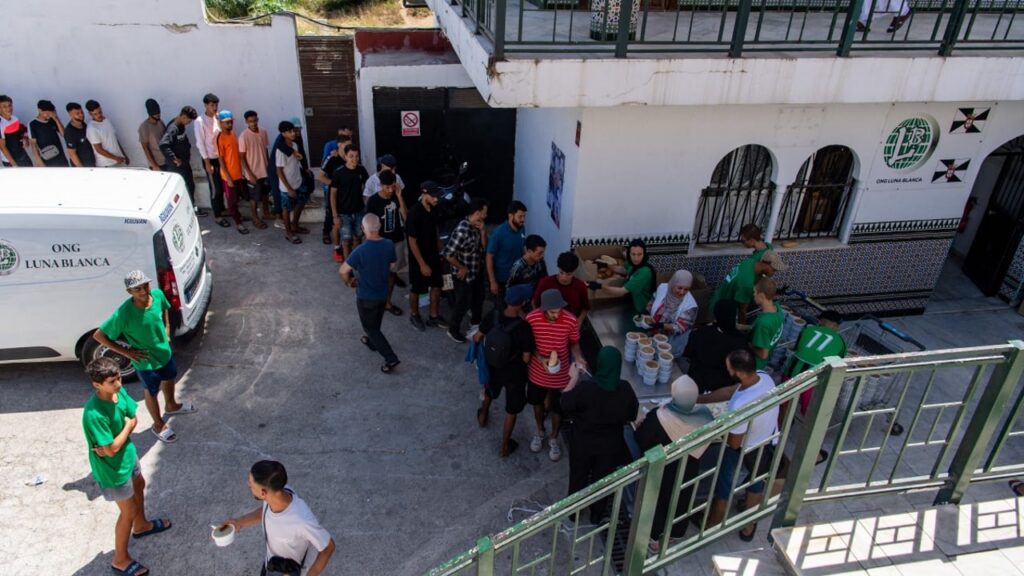
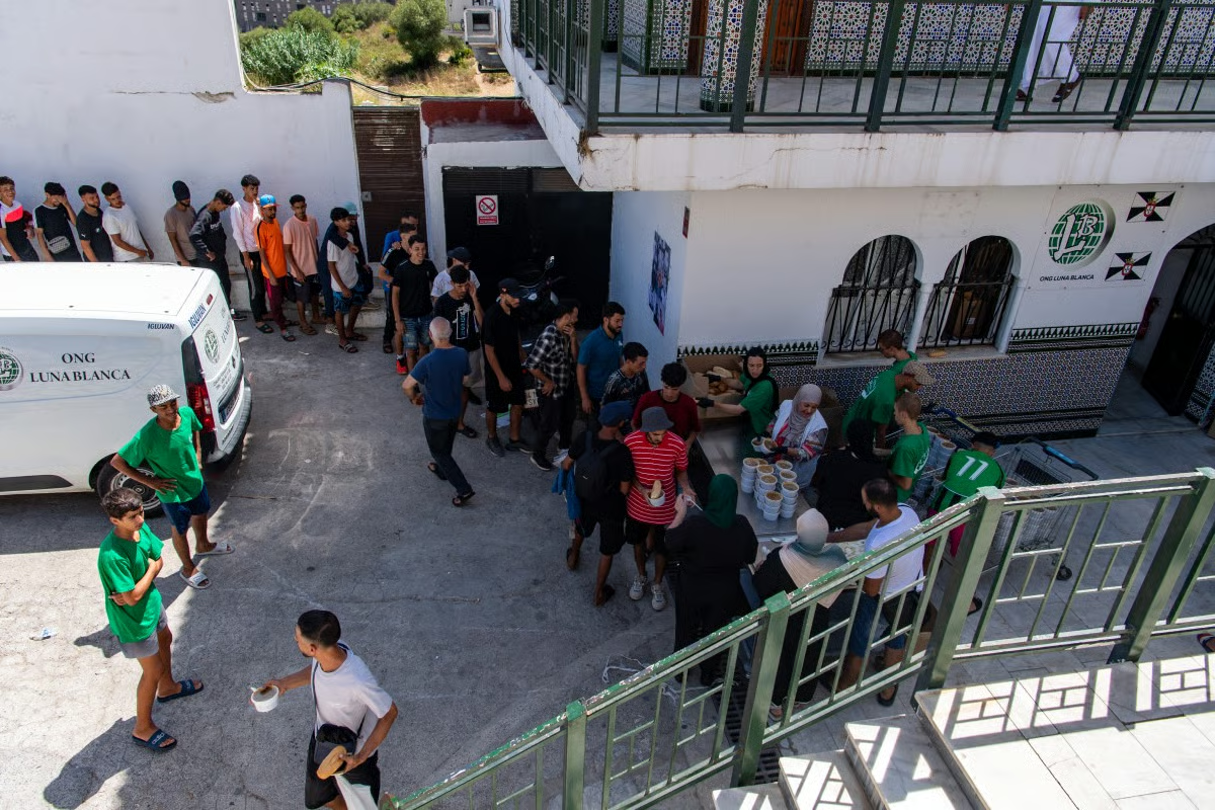
Local charities, including Luna Blanca, have stepped in to provide emergency rations and medical aid, but resources are stretched thin. Volunteers warn that without coordinated international intervention, conditions could deteriorate rapidly. Families with children and vulnerable individuals are particularly at risk, facing exposure to harsh weather and limited sanitation facilities.
Diplomatic tensions and regional implications
The surge in migration has reignited debates over EU border policies and cooperation with transit countries like Morocco. Observers note that both nations are under pressure to balance humanitarian obligations with national security concerns. The crisis also highlights broader North African migration patterns, with many migrants originating from sub-Saharan regions before transiting through Morocco.
As authorities scramble to respond, the fate of thousands remains uncertain. For now, Ceuta stands as a stark reminder of the global migration challenges testing regional stability and solidarity.